Tisa
Jun 16, 2006 9:51 AM
The Mystique of Monarchy
Thailand's King Bhumibol offers powerful proof that royalty is still relevant
By PICO IYER
This article originally appeared in the June 19, 2006 issue of TIME Asia.
"Let us sit upon the ground and tell sad stories of the death of kings," Shakespeare's poetic (and doomed) Richard II prophetically says in the play named after him. "Some have been depos'd," he goes on, some "haunted by the ghosts they have depos'd ... all murder'd." But were a modern Richard speaking today, he would more likely talk about the death of kingship—the very idea of a useful, functioning monarchy. The last quarter of a century has seen the number of democracies and republics in the world explode from 40 to about 120. Monarchs, as a consequence, have come to seem as obsolete as court jesters or princesses in towers. For nine out of 10 people in the world, royalty is the stuff of fairy tales.
Yet in much of Asia, royalty is still a fact of life, a constant and living presence. In Thailand, King Bhumibol Adulyadej is just such a presence. Last week, Thais marked, with genuine joy, the 60th anniversary of the King's coronation—five days of dazzling celebrations attended by crowned heads from 25 nations.
The hope of royalty is that it can bring light and a sense of future to its subjects; the reality, far too often, is that it pulls countries back into the dark ages. This year, we have witnessed both sides in Asia, with history made as much by unelected, hereditary rulers as by democratically chosen leaders. Six months ago, King Jigme Singye Wangchuck of Bhutan startled the world by announcing that he will voluntarily dethrone himself to encourage democracy in his country. In nearby Nepal, King Gyanendra moved in the opposite direction, claiming absolute power for himself and reinstating his parliament only after his people rose up to protest his rule by fiat. Similar, though far more peaceful, demonstrations took place in Thailand, against Prime Minister Thaksin Shinawatra. The country appeared headed toward political chaos until King Bhumibol stepped in this spring and urged the contending parties to settle their differences.
Thailand's King possesses the moral authority to do this because he sits above politics, as if belonging to a different realm. He knows that his role as King is to be a symbol, not a personality, precisely because (unlike a politician) he does not have to hustle and promote himself to win the people's favor. King Bhumibol happens to be hugely admired across Thailand, acclaimed as a musician, painter, patent-holding inventor and, most of all, philanthropist, who constantly goes around his kingdom offering development projects to help his people. But what he really seems to have mastered is the art of remaining highly visible, yet at some level out of sight. His thoughts and longings are not chronicled in the daily papers; instead, he remains a figurehead who holds the country together in part by projecting an image of constancy, changeless even as he guides his nation through a series of dramatic, modernizing changes.
Many cultures in Asia seem to understand the power of illusion, or at least the value of sometimes suspending disbelief, and acknowledging that (as in a marriage) not knowing everything can be the best key to survival. In Japan, for example, the imperial family stays in place in part thanks to a compliant press, which preserves a veil over its many difficulties, in part through a determination to keep its private lives relatively private. Monarchs can only function if we don't look at them too closely, and quietly consent to the notion that they can bring us all together.
It's different in the West. In Scandinavia, royal figures endear themselves to their people by bicycling around just like everyone else; in Britain and Monaco, an omnipresent press spotlights the heir to the British throne murmuring about Tampax to his mistress, and the children of Grace Kelly wading through affairs and public breakdowns. If monarchs are so familiar, however, what function are they serving, and how are they really different from celebrities? Many of the kings of Asia have opened up to the modern, international world—King Bhumibol (born in Cambridge, Massachusetts) saw his oldest child marry an American; King Jigme was educated in Britain; and the Emperor of Japan married a commoner. Yet they have managed not to lose their dignity in the process.
It isn't the job of a monarch to be perfect; it's his job to keep his imperfections to himself. Thailand's 78-year-old King, the longest-ruling royal in the world, has done this with particular success. As we watched the old-fashioned titles and costumes assemble in Bangkok last week, it was possible to speak, unlike Richard II, of the life—not death—of kings and kingship.



 Gainesville, VA ·
 Looking for Hair Stylist FeaturedArlington, MA ·
 Boston, MA ·
 Everett, MA ·

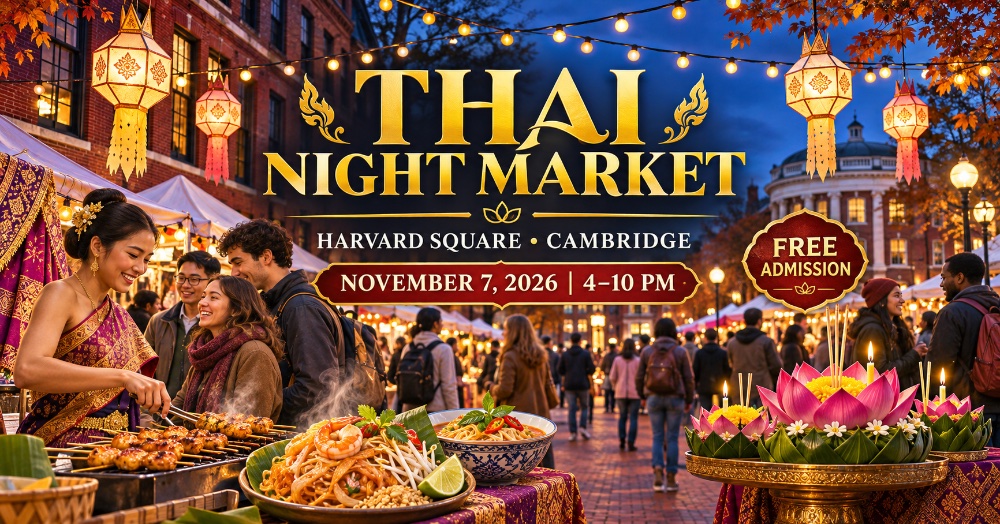 Nov 14, 2026 4:00 PM · 416 views
 Dec 19, 2026 7:00 PM · Greater London · 673 views
 🔥🎸 Adrian Pradhan LIVE in Manchester 🤘 Live EventDec 26, 2026 8:00 PM · 334 views
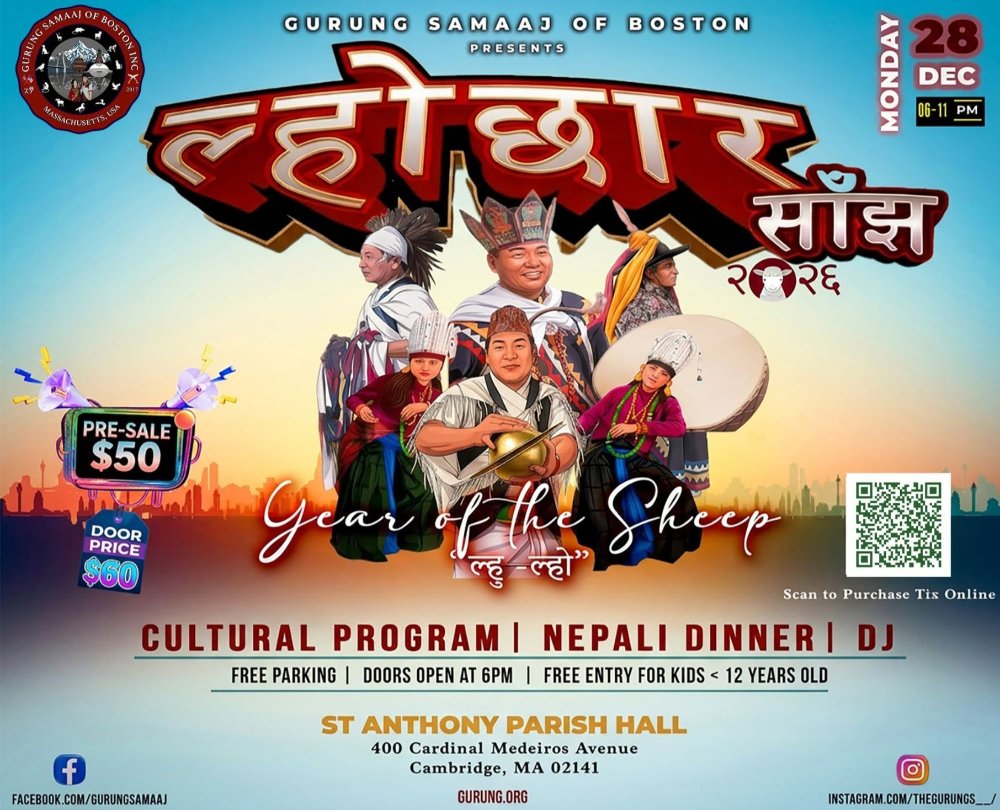 Lhocchar Saanjh by Gurung Samaaj Boston Cultural EventDec 28, 2026 6:00 PM · 291 views
 ✓Vianet Communications
Other
Kathmandu · · 907 views