










The Fake Rich Epidemic among Nepalis 👉

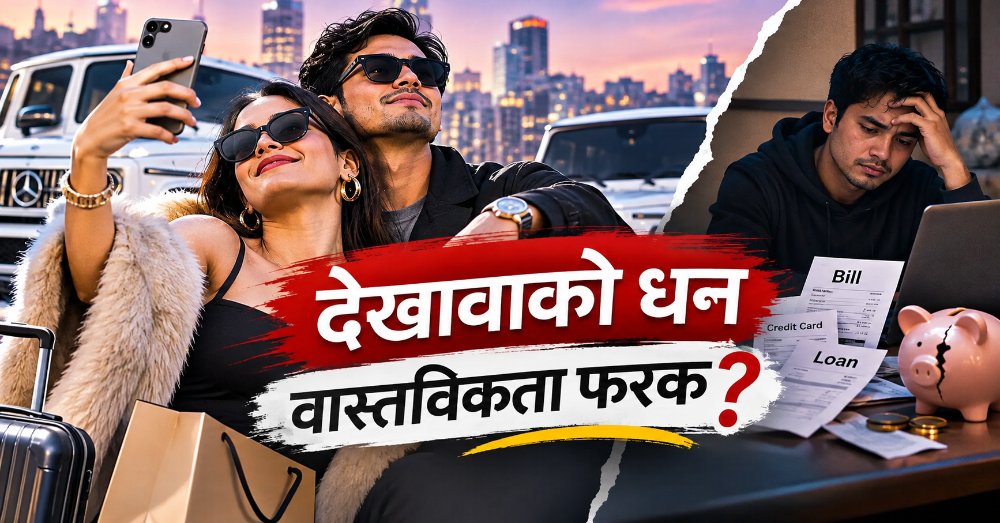
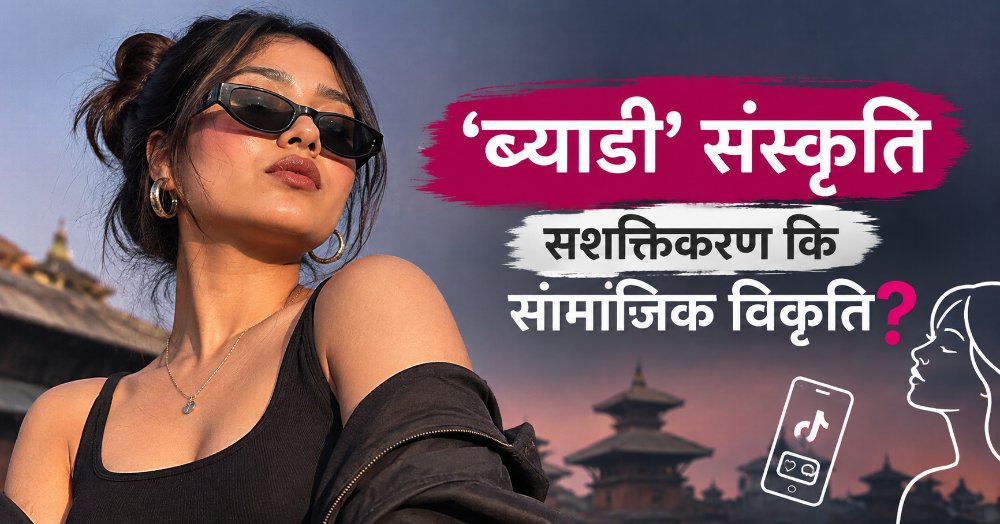
The Fake Rich Epidemic: Why Nepalis Want to Look Wealthier Than They Are
Luxury cars, designer clothes, expensive restaurants and extravagant vacations — are we becoming a society more concerned with looking successful than actually being successful?
A Nepali comedy video by Samaya Yatra Nepal, published in January 2026, captures this contradiction through a humorous depiction of someone appearing wealthy on Instagram while travelling on a crowded Kathmandu bus in real life.
The satire raises an uncomfortable question: how much of the prosperity we see on social media is real?
The Rise of the Fake Rich Culture
Social media has created a stage where almost anyone can project an image of financial success.
Imagine someone posing beside a borrowed luxury car, purchasing expensive clothes on credit, or visiting an upscale restaurant primarily to take photographs.
There is nothing inherently wrong with enjoying luxury. The problem begins when maintaining an image of wealth becomes more important than achieving financial stability.
When Showing Off Becomes a Social Competition
In September 2025, Nepal's viral #NepoKid campaign attracted attention on TikTok and other social media platforms. Videos contrasting extravagant lifestyles with the everyday struggles of ordinary Nepalis sparked a national conversation about wealth, privilege and inequality.
But conspicuous consumption is a subject worth discussing beyond political families.
Have ordinary Nepalis also become participants in a competition to appear more successful than their friends, relatives and neighbours?
The American Dream on Facebook
Consider a hypothetical Nepali immigrant in America working two jobs, struggling with rent and paying off credit card debt.
On Facebook, however, the same person appears to be living the American dream — posing beside an expensive car, visiting beautiful destinations and dining at fancy restaurants.
Meanwhile, relatives in Nepal may develop unrealistic expectations about life abroad.
The photographs show the rewards but rarely the sacrifices.
Buying Things to Impress People
When social recognition becomes tied to material possessions, even people with modest incomes may feel pressured to maintain expensive lifestyles.
- Buying luxury vehicles with unaffordable monthly payments.
- Organizing extravagant weddings with borrowed money.
- Purchasing designer products instead of building savings.
- Taking expensive vacations primarily for social media exposure.
These are examples of how the pursuit of status can potentially undermine financial security.
Real Wealth Is Often Invisible
Someone with substantial retirement savings, minimal debt and financial independence may appear less wealthy than someone driving an expensive financed vehicle.
Social media shows what people consume, not necessarily what they own, owe or save.
Perhaps we need to redefine success — not by the number of people we impress, but by the freedom, security and peace of mind we achieve.
Have we become so busy trying to look rich that we have forgotten how to actually become rich?
Sajha Discussion
Is the culture of देखासिकी becoming financially destructive among Nepalis, both at home and abroad? Or is displaying one's achievements simply a natural human desire?



-
OXON HILL, MD ·
-
Threading Specialist विशेषDartmouth, MA ·
-
Nashua, NH ·
-
mansfield, MA ·
-
Alexandria, VA ·
-
 Private Basement rent in Bristow VA USD 1,500.00Bristow, VA ·
-
 Woodbridge, Virginia, 22192, VA ·
-
 Malden, MA ·
-
 Room Available for Rent USD 800.00Melrose, MA ·
