









Nepal’s “Baddie Epidemic”: Female Empowerment or a Generation Obsessed with Appearance? 🔥✨

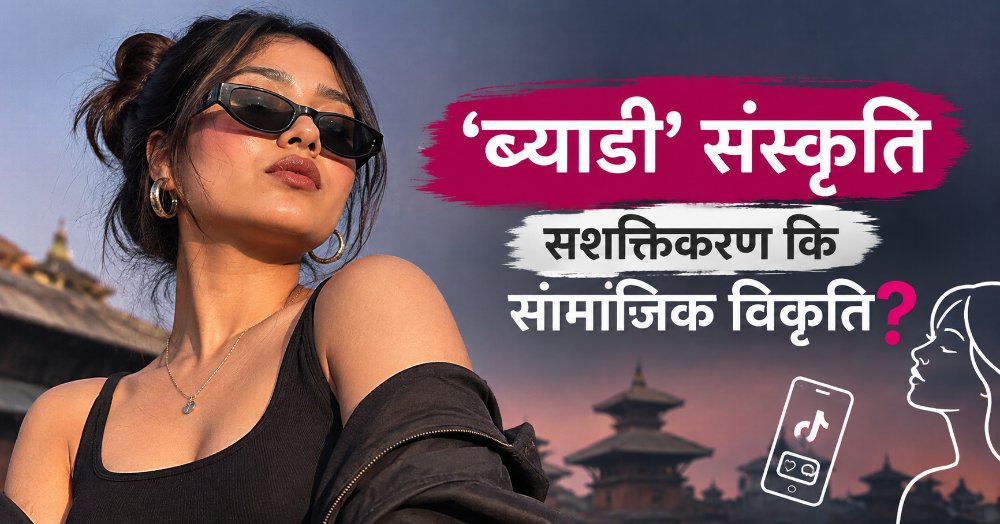
Nepal’s “Baddie Epidemic”: Female Empowerment or a Generation Obsessed with Appearance?
A viral TikTok video has ignited a fierce debate across Nepal, dividing social media users over modern femininity, personal freedom, beauty standards and cultural values.
On November 10, 2026, Nepali TikTok creator @immature_wisdom announced that Nepal was experiencing a “baddie epidemic.”
According to The Kathmandu Post, the video accumulated over 1.8 million views, 69,700 likes and 27,000 shares by November 21.
What is a “Baddie”?
In modern internet slang, a baddie refers to a confident, fashionable and unapologetic woman. The term originated in Black American popular culture before gaining global popularity through Instagram and TikTok.
However, the Nepali creator questioned whether expensive clothing, attractive photographs, makeup and attitude had become substitutes for intelligence, character and meaningful accomplishments.
He cited Pasang Lhamu Sherpa, Yogmaya Neupane and Anuradha Koirala as examples of women worthy of admiration.
Nepali Women Fight Back
The criticism triggered an unexpected backlash. More than 2,200 women reportedly repurposed the original video's audio to showcase their professional achievements, talents and personal lives.
Doctors, engineers, nurses and entrepreneurs participated, challenging the assumption that fashionable women lack intellectual depth or ambition.
Their message was simple: beauty and intelligence are not mutually exclusive.
Empowerment or Digital Validation?
While women have every right to express themselves, the controversy raises broader questions about social media culture.
- Is confidence becoming increasingly dependent on physical appearance?
- Are likes, followers and compliments becoming measures of self-worth?
- Is the beauty industry commercializing female empowerment?
- Would society judge men as harshly for displaying their wealth, appearance and lifestyle?
These questions apply equally to men and women.
The Nepali Diaspora Perspective
For Nepalis living abroad, the controversy presents an interesting cultural dilemma.
How do we balance individual freedom with traditional values? Should younger generations be expected to follow the social expectations of their parents, or should they be free to redefine their identities?
Perhaps the real issue is neither makeup nor clothing, but how society determines an individual's worth.
A woman should not need to become a doctor, engineer or national hero to deserve respect. Equally, physical attractiveness alone should not define anyone's value.
True empowerment means having the freedom to choose your identity without depending on either society's approval or social media validation.
Sajha Discussion
Is Nepal's emerging baddie culture a sign of female empowerment, declining social values, or simply a generation expressing itself differently?
Is Nepal experiencing a baddie epidemic — or an epidemic of judging women?
References
- The Kathmandu Post, November 21, 2026 — Why a viral TikTok about ‘baddies’ has struck such a nerve in Nepal
- Kantipur, November 23, 2026 — ‘Baddie Epidemic’: A Celebration of Freedom or an Epidemic of Beauty?
- Niguro, November 16, 2026 — ‘Baddie Epidemic’ Sparks Debate in Nepal


-
OXON HILL, MD ·
-
Threading Specialist FeaturedDartmouth, MA ·
-
Nashua, NH ·
-
mansfield, MA ·
-
Alexandria, VA ·
-
 Private Basement rent in Bristow VA USD 1,500.00Bristow, VA ·
-
 Woodbridge, Virginia, 22192, VA ·
-
 Malden, MA ·
-
 Room Available for Rent USD 800.00Melrose, MA ·
