NEPALI POLITICS IN AMERICA
By Neil Ojha Comments: neojha@gmail.com 6462554578 “There is a mortifying experience in particular, which does not fail to wreak itself also in the general history; I mean “the foolish face of praise,” the forced smile which we put on in company where we do not feel at ease in answer to conversation which does not interest us. The muscles, not spontaneously moved, but moved by a low usurping wilfulness, grow tight about the outline of the face with the most disagreeable sensation” News about the Republican primary election covering main stream media along with prolonged heated debates between the candidates are unavoidable in the US as presidential election approaches in November 2012. Every 4 years, America is high with the political race for the big house—White House. As I focus on the possible outcome of the Republican Primary and the upcoming Presidential Election, I receive dozens of email each week from my Nepalese colleagues living in New York requesting me to participate in one of their Nepali Political party meetings scheduled in our neighborhood. Something happens once in a while to make you think things you normally don’t think of. Who wants to think of being a part of an aimless group? American is heated once in 4 years, but my fellow Nepali friends living in the US seem to be heated every weekend organizing party events or meetings. I can’t write further without identifying background of the politics in Nepal which could be a reason for my fellow Nepalese trying to do Nepalese politics in the US. Unlike other societies, Nepalese politics is unique. It’s rampant wherever few Nepalese gather. It’s like a virus that spreads quickly and is not different from a train going nowhere 90 miles per hour. It does more harm than good. It’s a rudderless ship lost in an ocean. As we all know, Nepal is passing through a tough time—interim government is elected to write a constitution and establish peace in the country. More than a dozen National Parties in Nepal try to form the government in every 6 months without having the intention to achieve the goal of drafting the constitution. In a situation like this, I can understand the frustration of Nepalese living in Nepal and abroad with their leaders’ inability to do their job. However, I am unable to understand the restlessness of the so-called Nepali politicians in America who are aiding and abetting hate and distrust among fellow Nepalese in the US in the name of politics. So-called Nepali politicians living in the US have formed about a dozen of party branches in the US acting as subsidiaries of their parent parties of Nepal. In most of the meetings of these most of the branches, all we see is a fight to be the president of the branch. In every gathering of such political organizations, all we do is talk about when and where the election should be and how many people are fighting for the vital positions. Just like in Nepal, these politicians are also not concerned about the democracy in Nepal but who comes out to the top. Sometime I wonder why a fellow Nepali would fight vigorously for the top position of the branch party in America where the branch would play no role whatsoever in contributing to the politics of Nepal. Given the corrupt nature of Nepali system, known to everyone, such positions could matter to those who are vying to get a connection to the most powerful politicians of Nepal which would yield personal benefits. If nothing else, such branch leaders would consider themselves as important figures in Nepal and among Nepalese in the US. Moreover, it’s also an opportunity to be a chief guest in events organized locally who are desperately searching for their identity and acknowledgement. Finally, if you know someone big in Nepal, impossible things can be possible with one phone call from these leaders. Who knows what could be the motives behind such political games? In short, it is unfortunate for Nepal and my fellow Nepalese for failing to learn and understand the norms and values of democracy after living so many years in a fine democracy. If we are genuinely committed to getting involved with our motherland, we should start from the personal and micro level where small contributions matter–for the children, healthcare and education of deprived people in Nepal. These small things would certainly contribute to the growth of baby-democracy; it will also make you a true leader among us. Why not unite ourselves for the greater good of the community? Why not create businesses that will provide jobs to Nepalese here? Why not work together for a better future of our offspring than creating a dissent? Let’s learn from the principles that have made America great. Let’s understand that freedom isn’t free, it never has been free and it’s always a generation away from extinction. If you tell me you belong to a certain party, it’s hard for me to know the kind of man you are but “do the thing and you shall have power.” Do the work and I shall know you. “Be and not seem.” Pretention has never accomplished any act of greatness. Pretention never earned American Independence, pretention never wrote Bill of Rights, and pretention didn’t abolish the curse of slavery from the world. So, let’s get over with this game of psychological slavery. As a great master said, “Greatest leader will be the greatest server.” How we can learn to serve more will magnify us as a leader. True leadership is serving people; greater the number you serve, greater leader you are. How about that for a change? (A serial entrepreneur, Neil Ojha, is an immigration outsourcing consultant associated with several Nepali and American law firms in New York and New Jersey. He is also a part of several other business networks in America. For more information, call 6462554578)
whistleblower · Aug 18, 2012 11:49 AM · 286 views
This conversation is preserved exactly as it was on the original Sajha.com and can't accept new replies.
Start a New DiscussionYou might be interested in...



-
Room Available for Rent USD 850.00Melrose, MA ·
-
One bed room available for rent USD 1,300.00Germantown, MD ·
-
Malden, MA, United States · Reposted Originally posted
-
Big Room with Parking Next to bus stop USD 1,100.00Everett, MA ·
-
Rooms Available for Rent USD 2,700.00Reston, VA ·
-
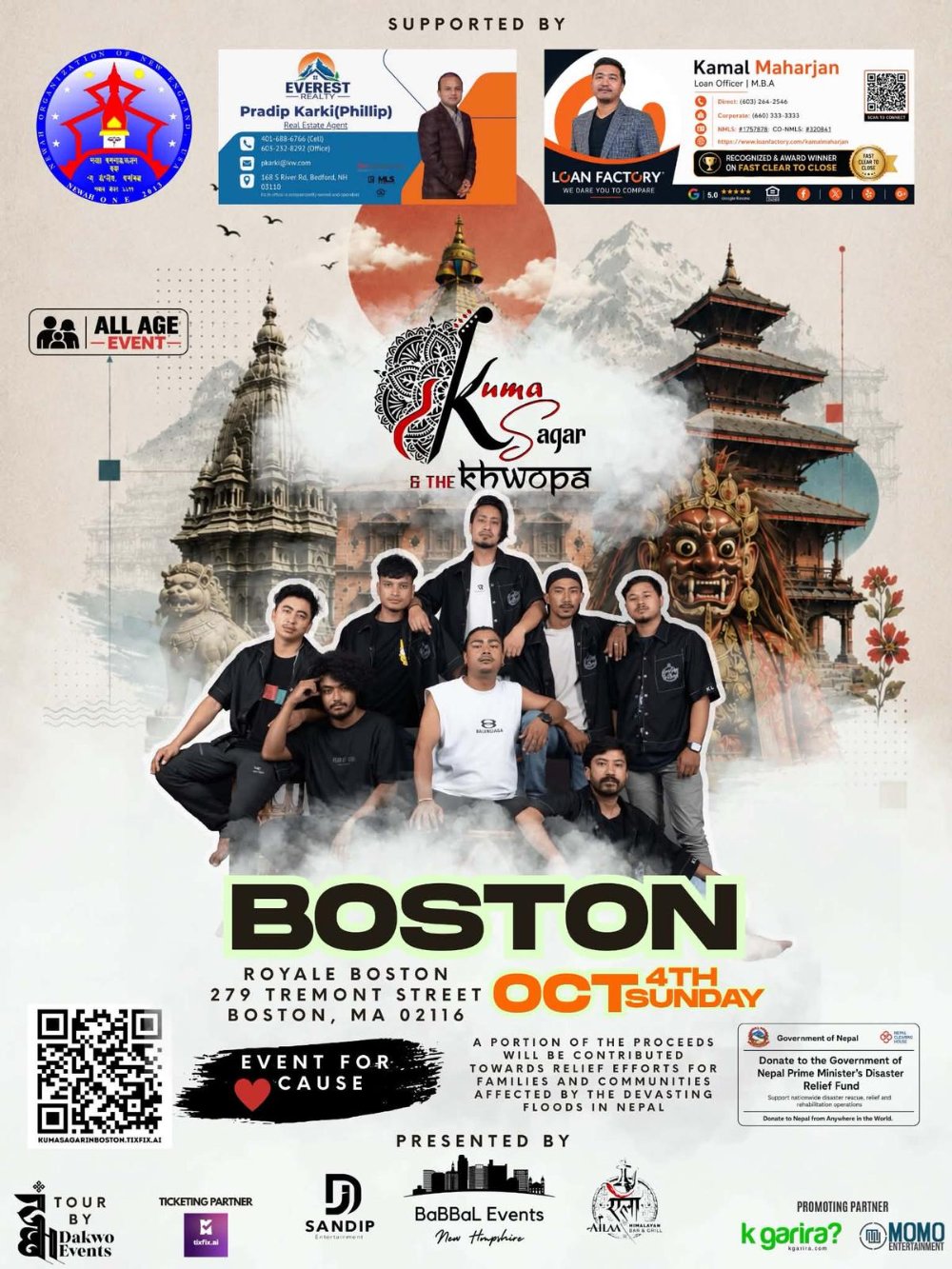 Oct 4, 2026 7:00 PM · Boston / New England · 518 views
 -
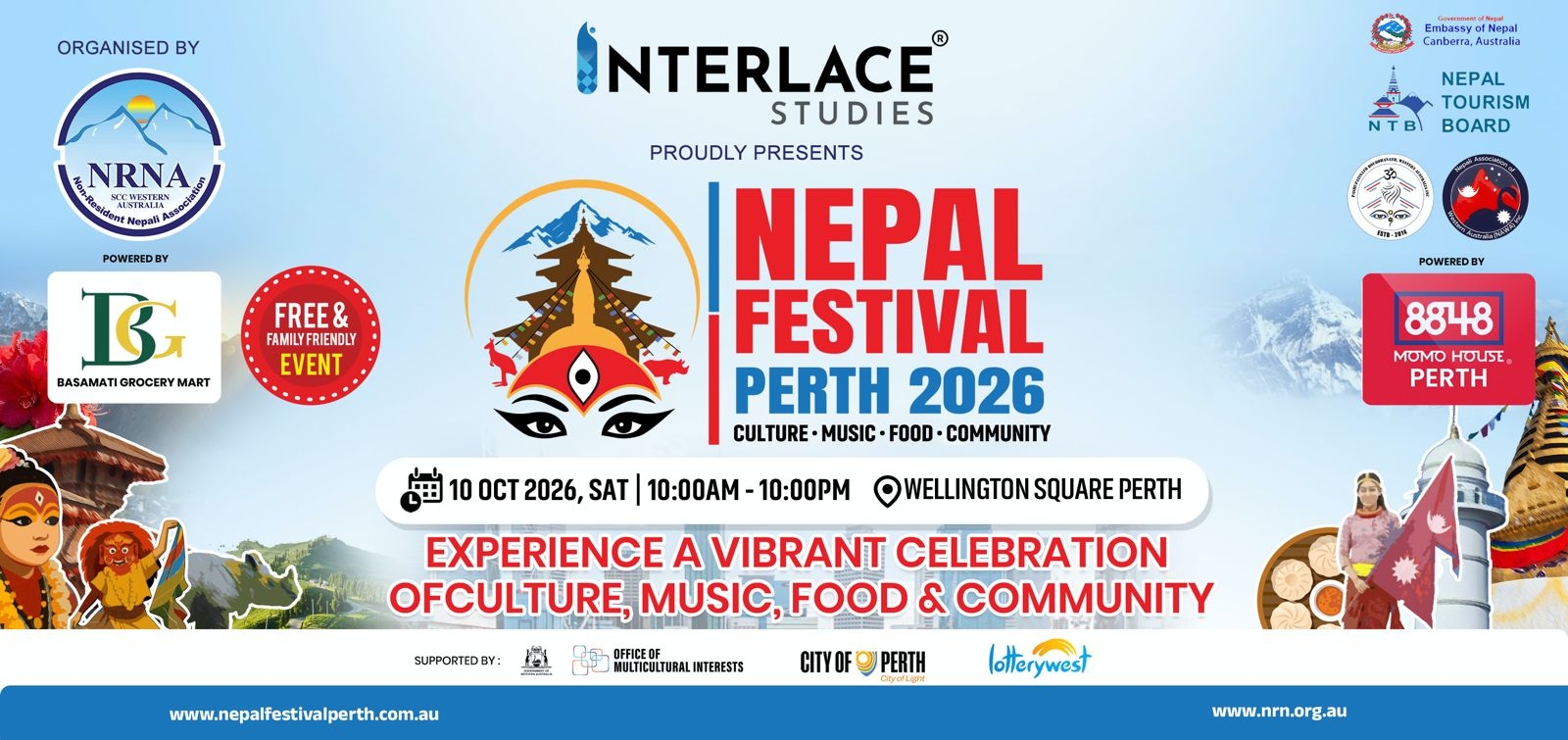 Nepal Festival Perth 2026 FestivalOct 10, 2026 10:00 AM · Perth / Western Australia · 227 views
 -
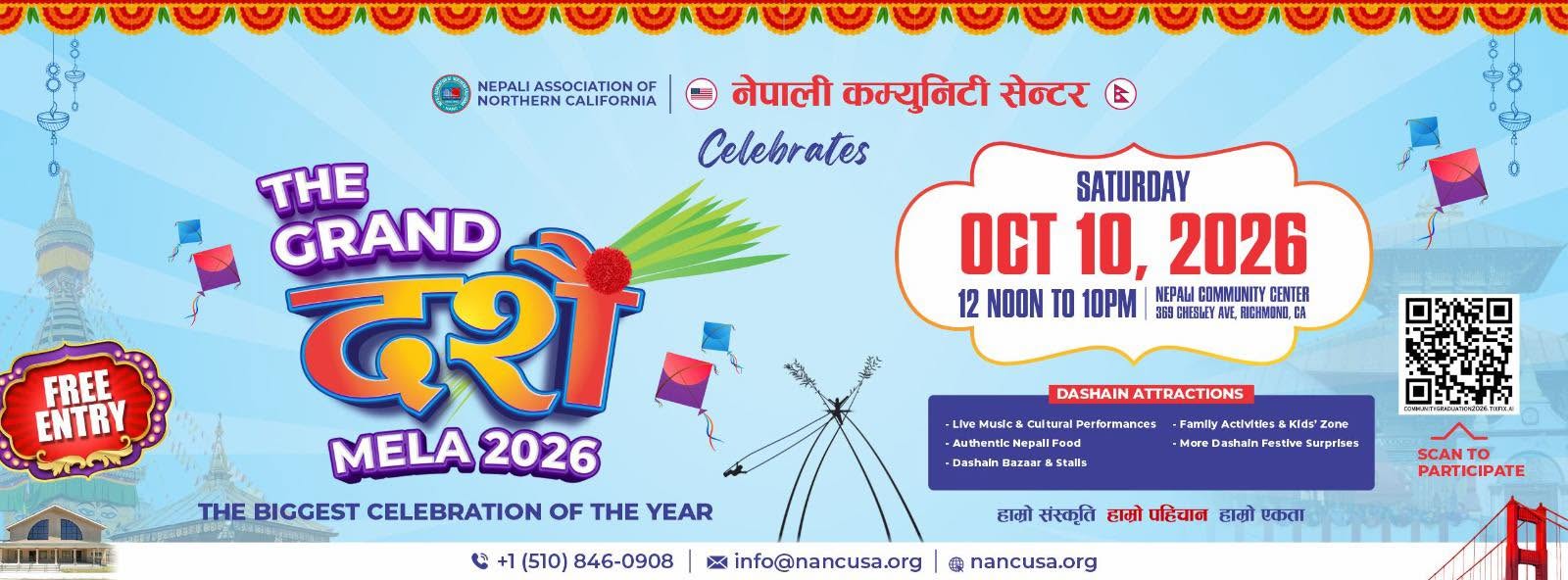 Grand Dashain Mela 2026 FestivalOct 10, 2026 11:00 AM · Bay Area / Northern California · 216 views
 -
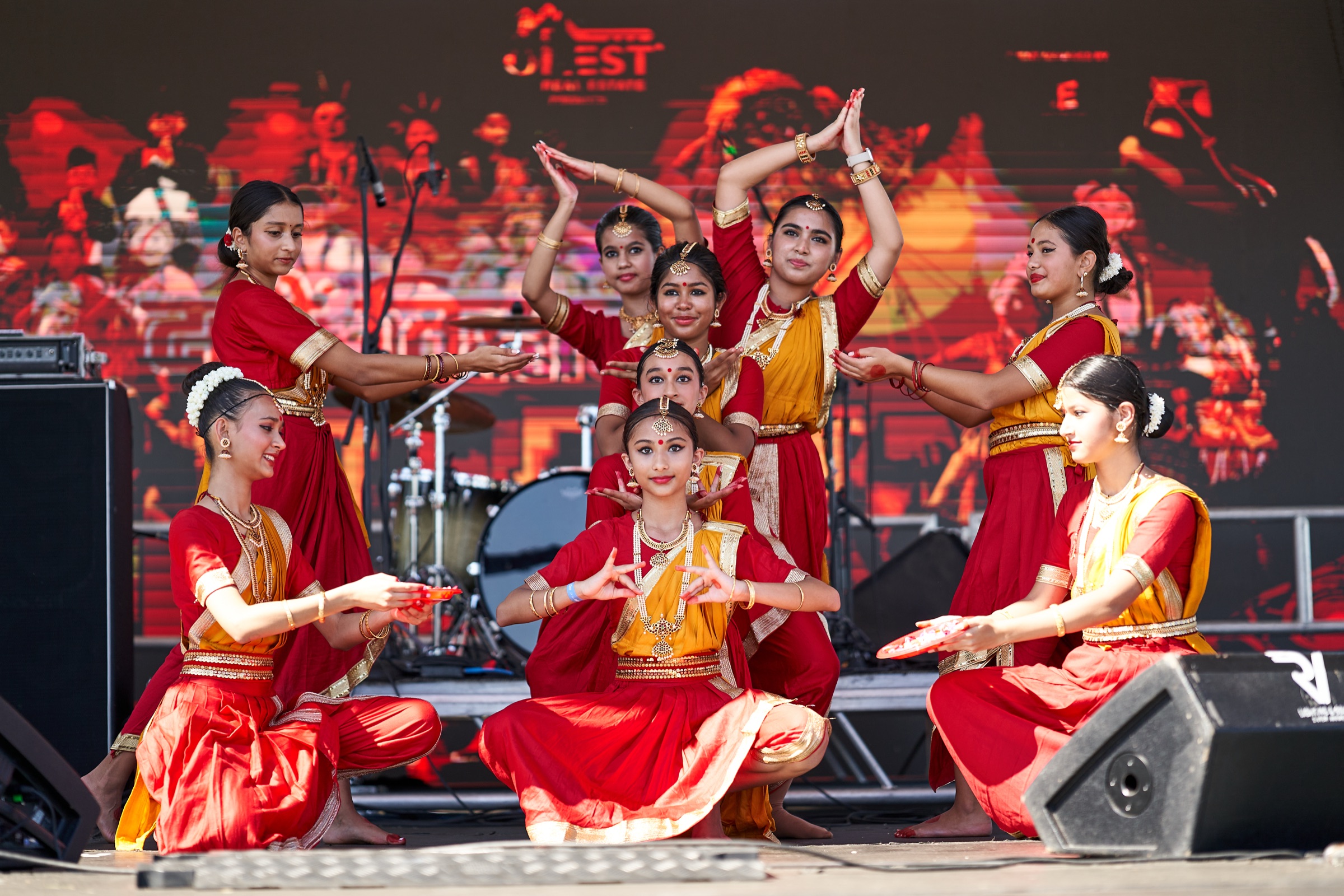 Oct 11, 2026 11:00 AM · DMV / Greater Washington · 229 views · Dashain
 -
 Dashain Festival Fulpati PartyOct 17, 2026 10:00 PM · Greater London · 190 views · Dashain
-
✓Vianet Communications OtherKathmandu · · 287 views
-
Aama Lama RestaurantMalden, MA · · 245 views
-
Ailaa Himalayan Bar & Grill RestaurantStoneham, MA · · 247 views
-
Ailaa Himalayan Bar & Grill RestaurantBedford, TX · · 223 views
-
Annapurna Curry & Sekuwa House RestaurantManchester, NH · · 226 views