On using तपाईं and हजुर
By design, our Nepali language is discriminatory. One can make many different excuses on how it is a cultural thing but when you look at the separation and the different forms of 'you', it is pretty evident that the language itself is discriminatory. तँ, तिमि, तपाईं, हजुर Right from the start of addressing, a speaker has to discriminate for or against the person who is spoken to. Just because someone is not dressed well, just because someone seems to be from a lesser caste, just because someone looks unassuming, they can get discriminated against by the use of तँ. On the other hand, royalties started the use of superlative pronouns for themselves as in हजुर , गरिबक्स्यो, etc. giving rise to चाप्लुसी and ass kissing language instead of using mere तपाईं to denote respect. In some ways, the use of तँ and तिमि may be fine for people who know each other well enough, but the use of तपाईं and हजुर brings in a huge separation of class and in my opinion brings in a huge disparity and self imposed importance on the ruling class. I know some of you may have grown up using the superlatives of hajur and garibaksyo, and I am not trying to offend you. I am simply observing the redundancy and the room for social disparity because of such usage. For people who use the hajur language, I am confused if they ever use तपाईं. What if someone starts to use तपाईं, do you change from हजुर to तपाईं? I am not trying to ridicule your language just trying to understand the intricacies.
rethink · Jul 6, 2012 8:37 AM · 4,357 views
त्यो संस्कृत भाषा लाइ पेवा बनाइनु , छुद्र जातकोले पढ्न नहुने बनाईए देखि नै भेद भाव सुरु भएको हो | अनि त्यो त , तिमि , तपाइँ अनि हजुर का सृजक पनि तिनै होइनन र ? यी मगरका सन्तानले आफै उब्जाएको होईन , यिनै संस्कृत का विद्वानले नया पगरी लगाई दिएको हो , चाकडी गरि गरि !!!!!!!!! अनि पछी देखा सिखी गर्नेहरुले सखारेका हुन् | Last edited: 07-Jul-12 12:49 PM
maGorkhe1 · Jul 7, 2012 8:17 AM
I use both hajur and tapain interchangeably but it'll depend on who I'm speaking to as well. For Eg: I use "hajur" to my parents, elders, relatives and in some cases, ladies (In ladies' cases, when they ask me something, I go "hajur?"). I reckon the usage of "hajur", "aisyo", "marji hos" et al is more widespread these days and is being used among people belonging to several different castes, not just a select few. There's nothing wrong with using these terms. More often than not, these terms are more pleasing than what I'd call "thado bolne". Before I get mistaken, there are quite a few people I know who refer to someone as close as their parents to as "garcha, khancha". For Eg: One of my buddies goes "Mero mummy le mitho pakauncha". And before I get mistaken, whilst his intent might not be to be rude, him saying "mero mummy le mitho pakaunuhuncha" or "pakaisincha" would sound much bettter, perhaps?
riddle · Jul 7, 2012 10:33 AM
the language is discriminatory the religion is discriminatory no wonder we are all foked up
Bad Boy · Jul 7, 2012 12:06 PM
जुन सब्द्को प्रयोग बडी हुन्छ र जन्जिब्रोले सकारेको हुन्छ तेही नै सबै भन्दा उत्तम | अंग्रेजी का गुरुले त सब्दको प्रयोग पहिले पल्ट गरेको सुनियो तर पनि तेस्मा माया र मिठास भरिएको आभास दियो , कसले काहा र कसरि प्रयोग गरेको छ तेस्मा भर पर्छ | आमाले भनेको ला खा र तेस्रो व्यक्तिले बनेको ला खा is not comparable. Last edited: 07-Jul-12 12:55 PM
maGorkhe1 · Jul 7, 2012 12:47 PM
This conversation is preserved exactly as it was on the original Sajha.com and can't accept new replies.
Start a New DiscussionYou might be interested in...



-
Room Available for Rent USD 850.00Melrose, MA ·
-
One bed room available for rent USD 1,300.00Germantown, MD ·
-
Malden, MA, United States · Reposted Originally posted
-
Big Room with Parking Next to bus stop USD 1,100.00Everett, MA ·
-
Rooms Available for Rent USD 2,700.00Reston, VA ·
-
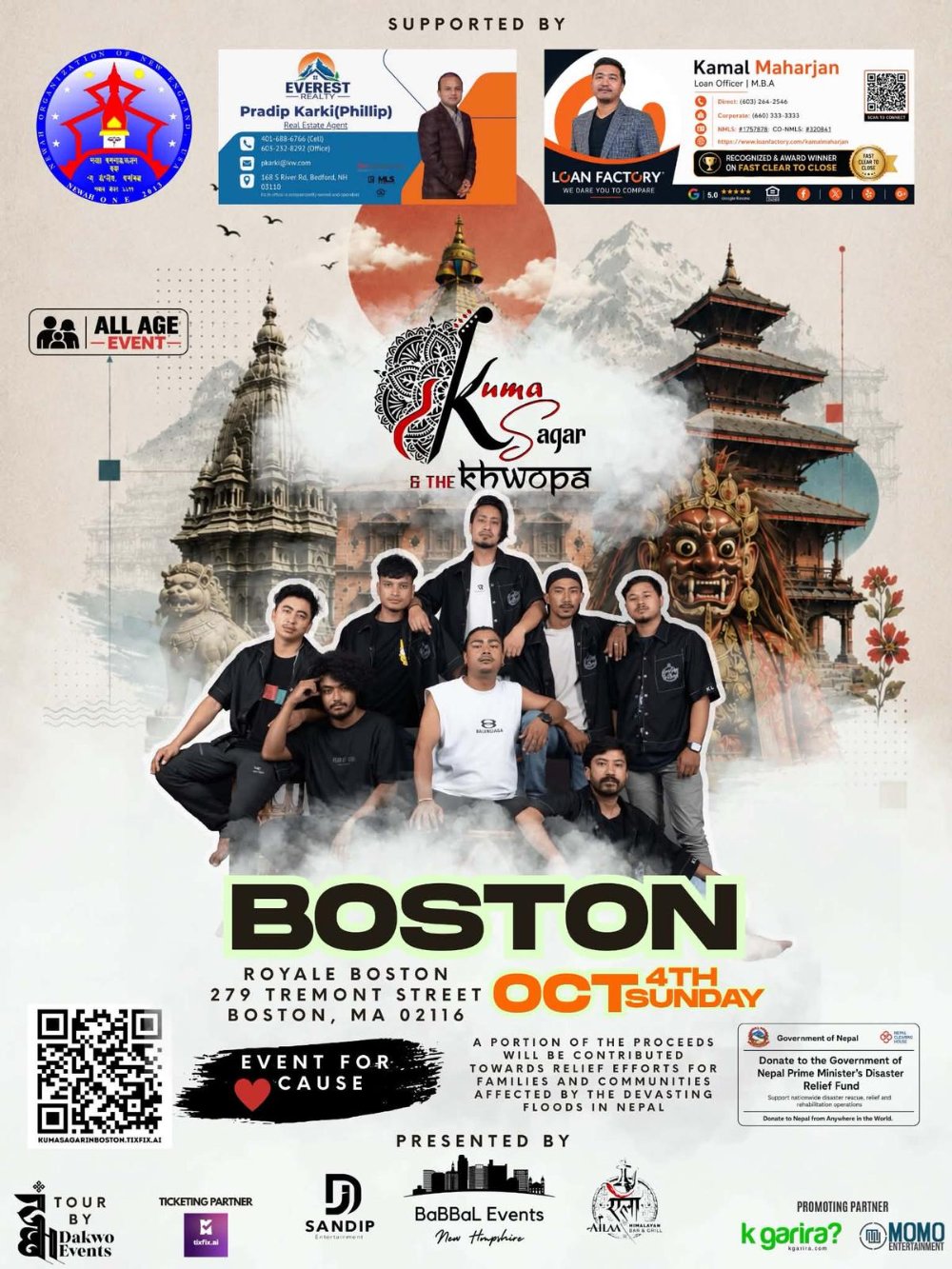 Oct 4, 2026 7:00 PM · Boston / New England · 518 views
 -
 Nepal Festival Perth 2026 FestivalOct 10, 2026 10:00 AM · Perth / Western Australia · 227 views
 -
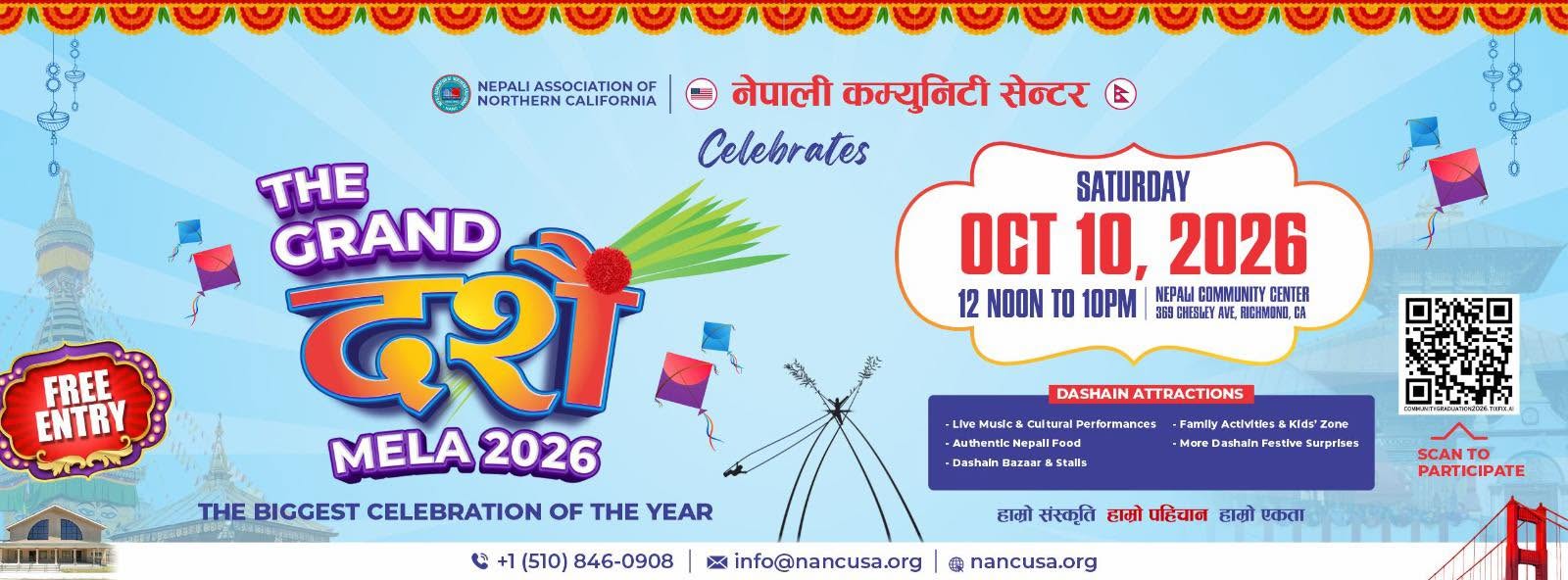 Grand Dashain Mela 2026 FestivalOct 10, 2026 11:00 AM · Bay Area / Northern California · 215 views
 -
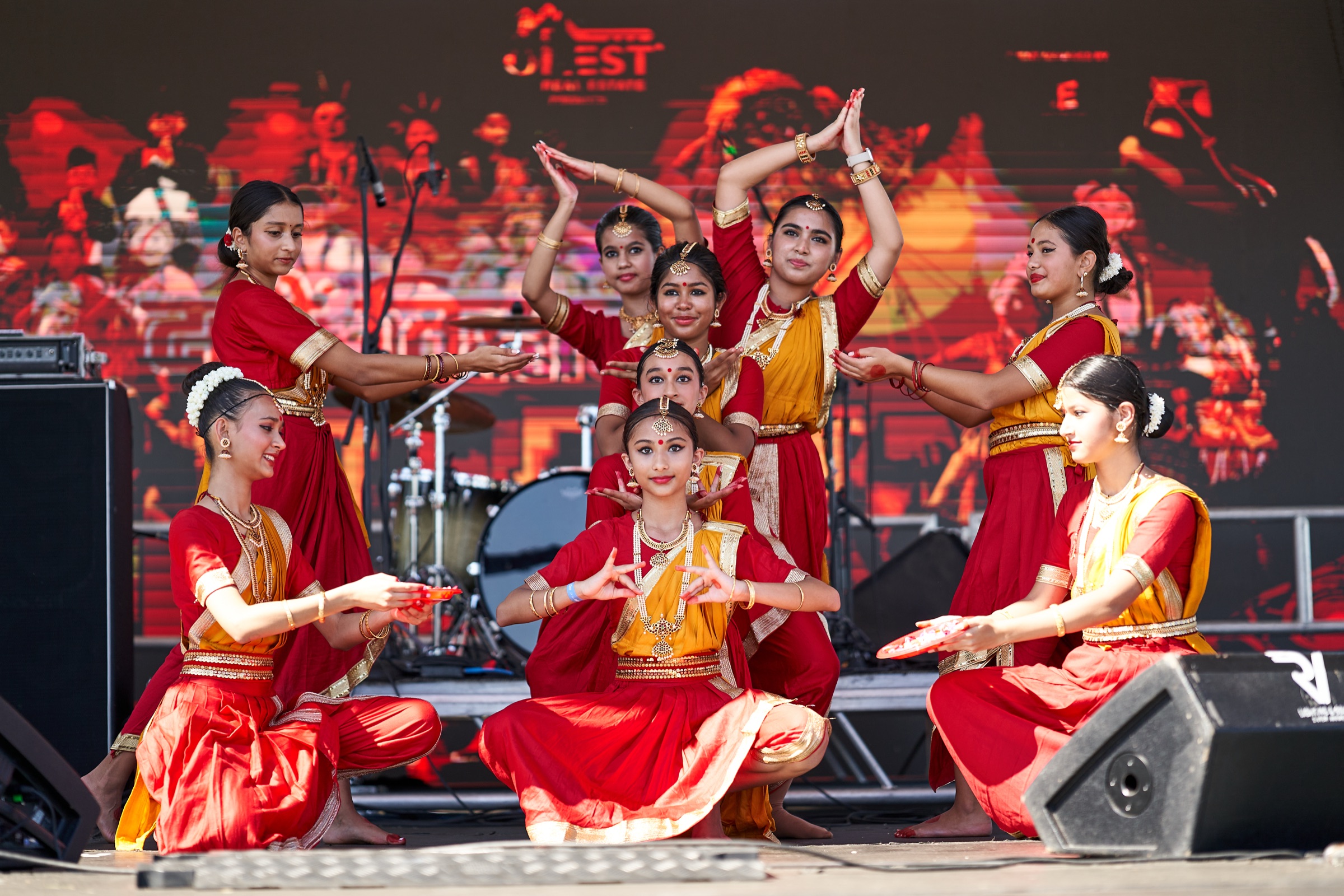 Oct 11, 2026 11:00 AM · DMV / Greater Washington · 228 views · Dashain
 -
 Dashain Festival Fulpati PartyOct 17, 2026 10:00 PM · Greater London · 189 views · Dashain
-
✓Vianet Communications OtherKathmandu · · 287 views
-
Aama Lama RestaurantMalden, MA · · 244 views
-
Ailaa Himalayan Bar & Grill RestaurantStoneham, MA · · 247 views
-
Ailaa Himalayan Bar & Grill RestaurantBedford, TX · · 222 views
-
Annapurna Curry & Sekuwa House RestaurantManchester, NH · · 225 views