The Greater Nepal 'In Quest of Boundary'
http://www.youtube.com/watch?v... Last edited: 30-Nov-11 08:04 PM Last edited: 30-Nov-11 08:05 PM
raju161 · Nov 30, 2011 7:20 PM · 15,514 views
raju161 · Nov 30, 2011 7:23 PM
Open your eyes
raju161 · Nov 30, 2011 8:06 PM
marking to watch later.
budmash · Dec 1, 2011 11:28 AM
I have a confession. I have never cried watching any movies or anything to this date. I cried when I made it to 1/4 of this documentary; Not just reminscing what we were but also thinking what we have become!!
Stiffler · Dec 1, 2011 12:17 PM
Must watch.. and while you are at it let your brothers, sisters, parents and friends view this documentary as well. Historical education and understanding is the first step to being free. If history is supressed or bent, then we lose our identity and who we are. Nepalese need to wake up and see the truth!!
lll_lll · Dec 1, 2011 4:33 PM
Wonderful video! I wanted to thank the people who posted the video. But I wanted to thank the people who made the video even more. The passion and self-righteous anger in the video was powerful. Which part of this video made you feel most emotional? Last edited: 02-Dec-11 01:05 AM
budmash · Dec 2, 2011 12:20 AM
"If my brother soldiers and the courtiers are not given to pleasure, my sword can strike in all directions. But if they are pleasure-seekers, this will not be my painfully acquired kingdom but a garden of every sort of people. But if everyone is aware, this will be a true Hindustan of the four jats, greater and lesser, with the thirty-six classes. Do not leave your ancient religion. Do not forsake the salt of the king" (King Prithvi Narayan Shah, 1774;)
Homeyji · Dec 4, 2011 2:14 PM
Central to unity in Nepal was the figure of poet Bhanubhakta Acharya (18141868), who in the mid-1800s had written a version of the Hindu epic Ramayana in Nepali. Bhanubhakta had been known for writing in Nepali at a time when it was prestigious to write in Sanskrit, since his promotion as the "first" Nepali poet by his biographer Motiram Bhatta in the 1880s; these intellectuals 'rediscovered' him and recast him as a hero of the "Nepali jati'": a unifier along the lines of Prithvi Narayan Shah, but one who used the pen instead of the sword (Onta 1999). Jati, which can be literally translated as "type" or "kind," was the word used at the time to describe the group of people who identified as Nepali, including high Hindu castes such as Bahuns and Chhetris, ethnic groups such as Magars, Gurungs, Tamangs, and low Hindu castes (Dalits), etc.; in the diaspora in India, all were members of the "Nepali jati," a concept of nation that existed across borders and without reliance on state structures (cf. Malkki 1995). Thus, including Bhanubhakta in the pantheon of bir heroes made "service to the Nepali language" an act of devotion to one's nation on par with serving in battle. In doing so, it also established a view of poetry, verbal art, and such facility with language as masculine pursuits and talents.
Homeyji · Dec 4, 2011 2:29 PM
This conversation is preserved exactly as it was on the original Sajha.com and can't accept new replies.
Start a New DiscussionYou might be interested in...



-
Room Available for Rent USD 850.00Melrose, MA ·
-
One bed room available for rent USD 1,300.00Germantown, MD ·
-
Malden, MA, United States · Reposted Originally posted
-
Big Room with Parking Next to bus stop USD 1,100.00Everett, MA ·
-
Rooms Available for Rent USD 2,700.00Reston, VA ·
-
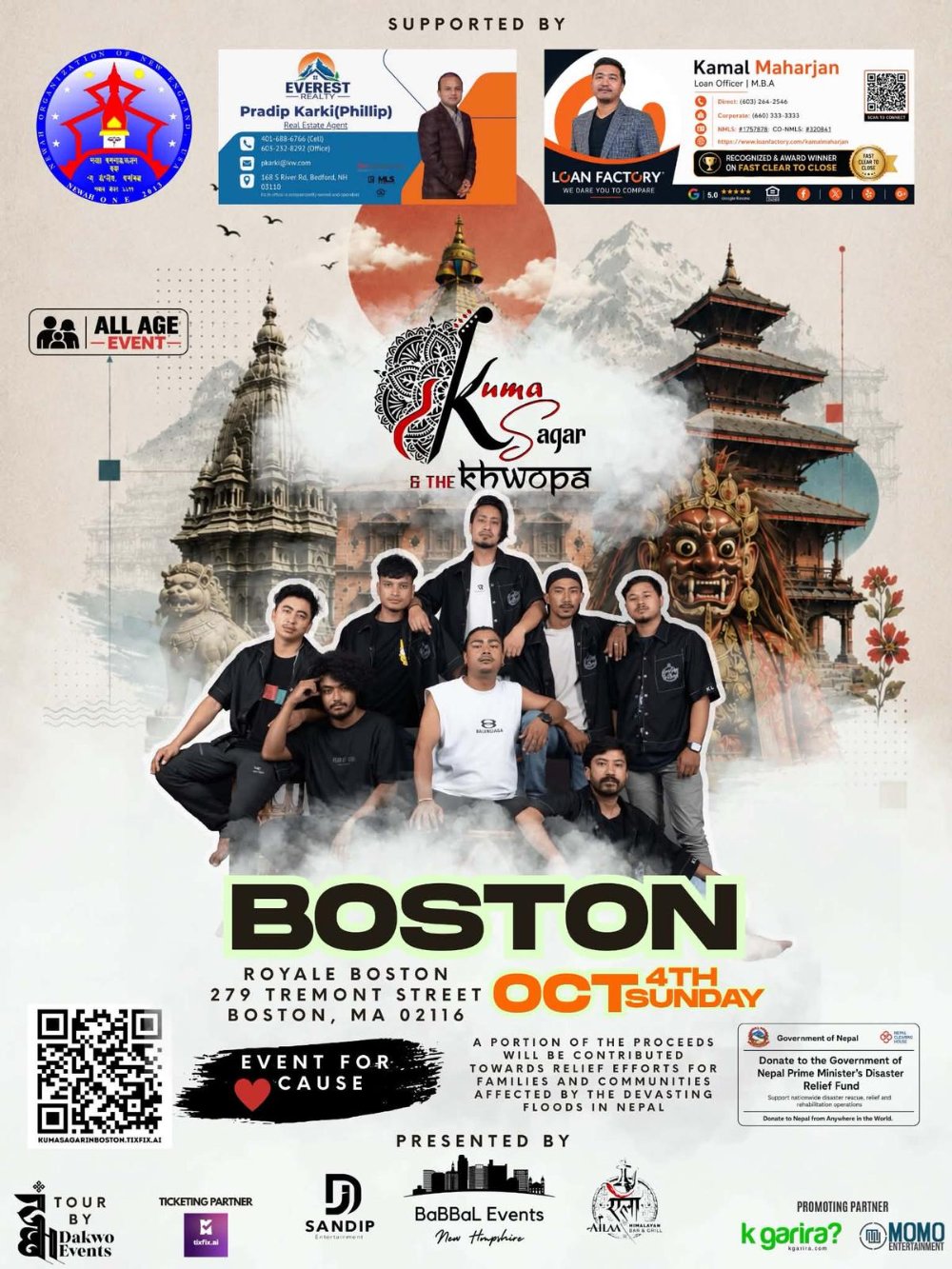 Oct 4, 2026 7:00 PM · Boston / New England · 518 views
 -
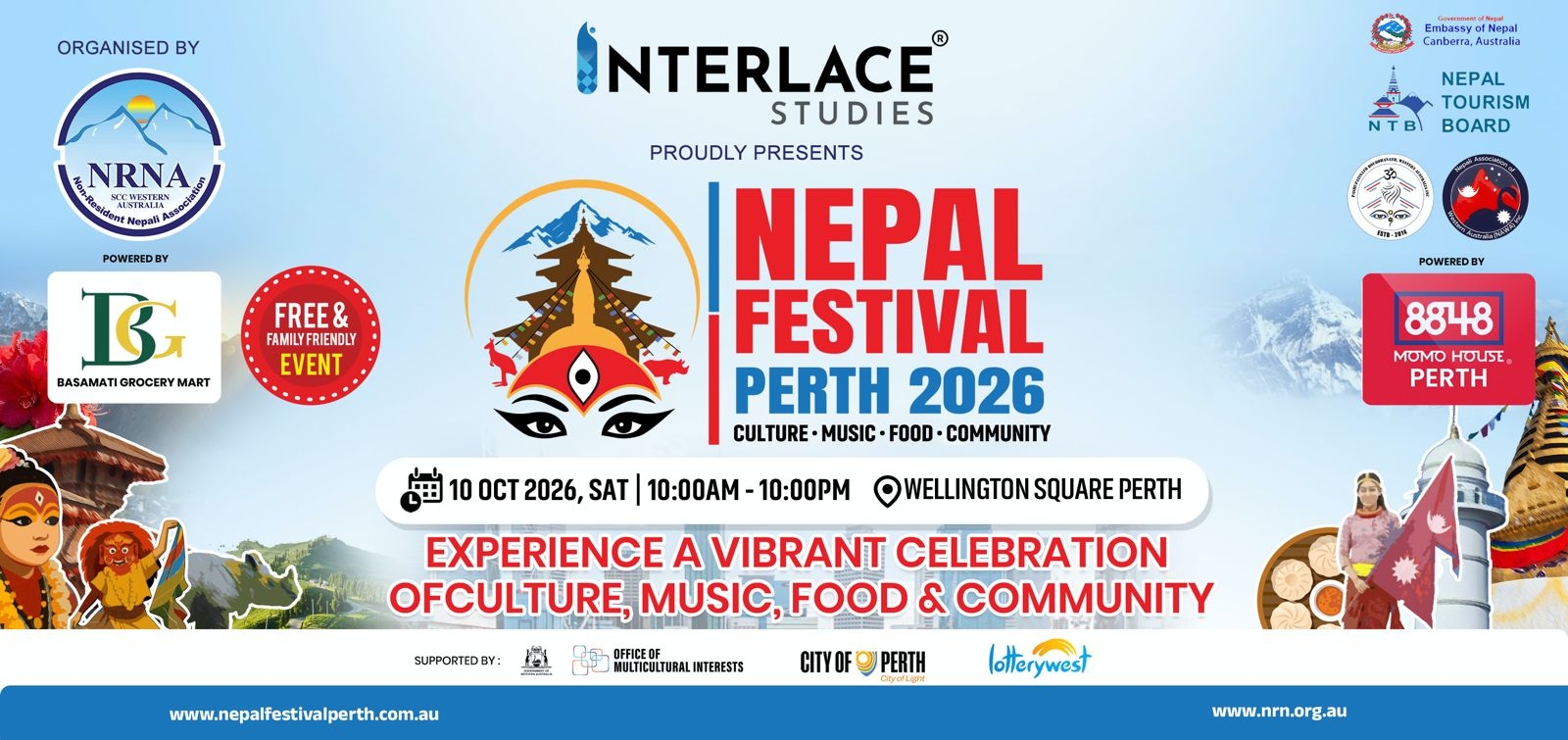 Nepal Festival Perth 2026 FestivalOct 10, 2026 10:00 AM · Perth / Western Australia · 227 views
 -
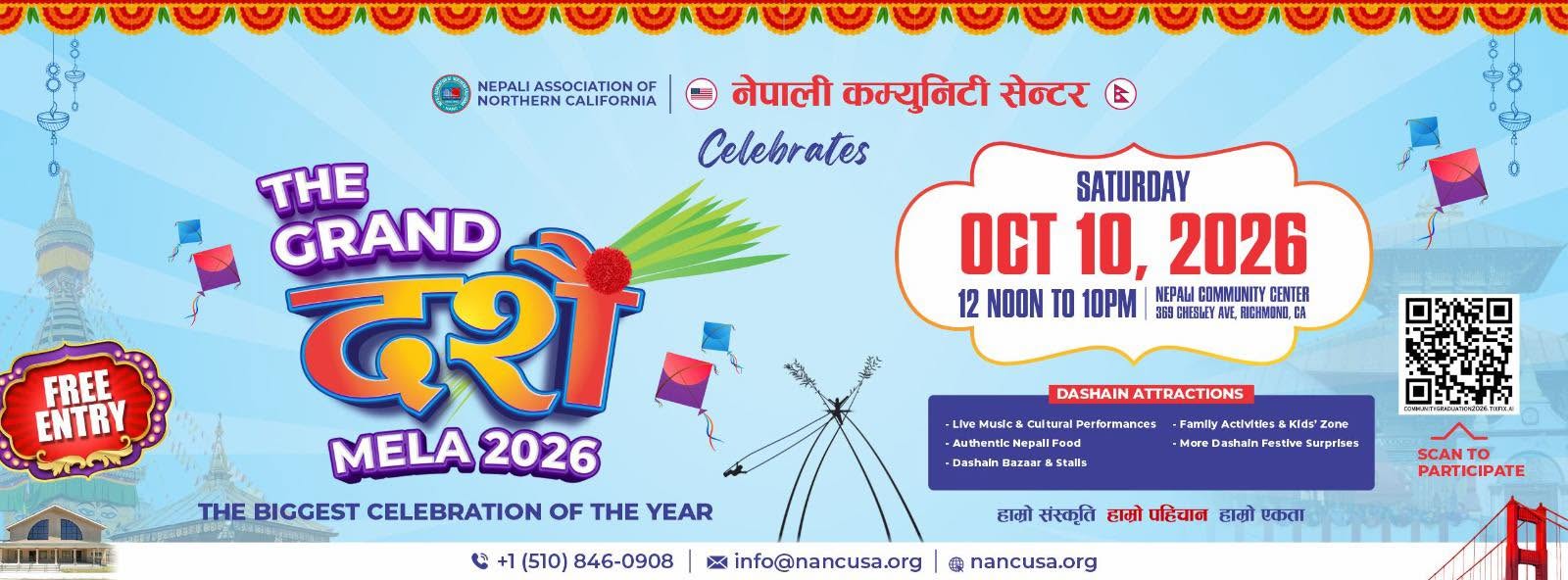 Grand Dashain Mela 2026 FestivalOct 10, 2026 11:00 AM · Bay Area / Northern California · 216 views
 -
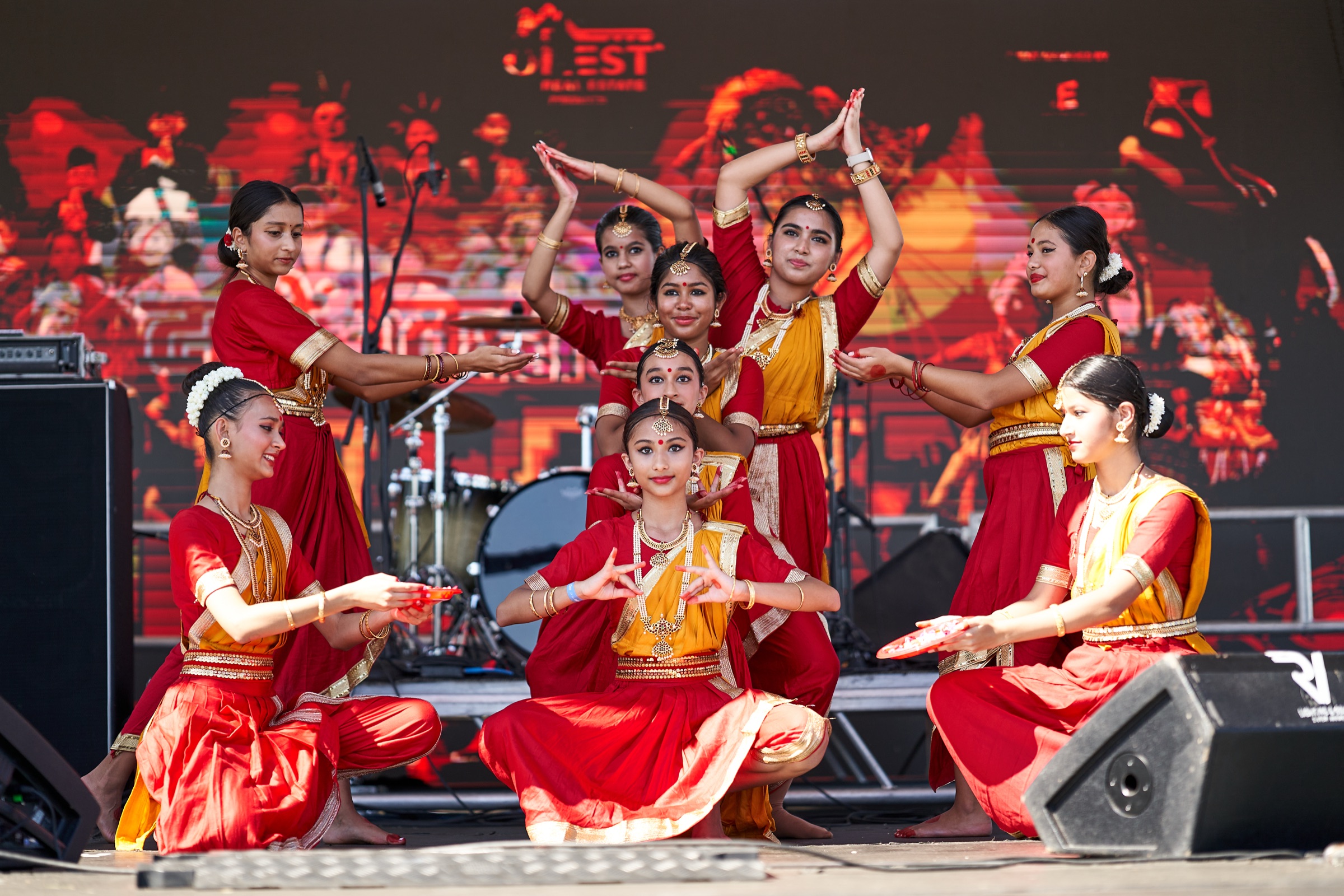 Oct 11, 2026 11:00 AM · DMV / Greater Washington · 229 views · Dashain
 -
 Dashain Festival Fulpati PartyOct 17, 2026 10:00 PM · Greater London · 190 views · Dashain
-
✓Vianet Communications OtherKathmandu · · 287 views
-
Aama Lama RestaurantMalden, MA · · 244 views
-
Ailaa Himalayan Bar & Grill RestaurantStoneham, MA · · 247 views
-
Ailaa Himalayan Bar & Grill RestaurantBedford, TX · · 222 views
-
Annapurna Curry & Sekuwa House RestaurantManchester, NH · · 225 views