Budhha in wikipedia
Keta ho wikipedia correct gara na ho ! dhoti le update garya raicha ! Gautama Buddha From Wikipedia, the free encyclopedia "Buddha" and "Gautama" redirect here. For other uses, see Buddha (disambiguation) and Gautama (disambiguation). Siddhārtha Gautama Buddha A statue of the Buddha from Sarnath, 4th century BCE Born c. 563 BCE or 623 BCE Lumbini, today in Nepal Died c. 483 BCE or 543 BCE (aged 80) Kushinagar, today in India Ethnicity Shakya Known for Founder of Buddhism Predecessor Kassapa Buddha Successor Maitreya Buddha Part of a series on Buddhism Outline · Portal History Timeline · Councils Gautama Buddha Disciples Later Buddhists Dharma or Concepts Four Noble Truths Five Aggregates Impermanence Suffering · Non-self Dependent Origination Middle Way · Emptiness Karma · Rebirth Samsara · Cosmology Practices Three Jewels Precepts · Perfections Meditation · Wisdom Noble Eightfold Path Aids to Enlightenment Monasticism · Laity Nirvāṇa Four Stages · Arahant Buddha · Bodhisattva Traditions · Canons Theravāda · Pali Mahāyāna · Chinese Vajrayāna · Tibetan v · d · e Siddhārtha Gautama (Sanskrit: सिद्धार्थ गौतम; Pali: Siddhattha Gotama) was a spiritual teacher who founded Buddhism.[1] In most Buddhist traditions, he is regarded as the Supreme Buddha (P. sammāsambuddha, S. samyaksaṃbuddha) of our age, "Buddha" meaning "awakened one" or "the enlightened one." [note 1] The time of his birth and death are uncertain: most early 20th-century historians dated his lifetime as c. 563 BCE to 483 BCE,[2] but more recent opinion dates his death to between 486 and 483 BCE or, according to some, between 411 and 400 BCE.[3][4] Some of the inscriptions found from Orissa make historians believe that Buddha was born in a village Kapileswara near Bhubaneswar, Odisha based on many evidences including the Ashokan inscriptions.[5][6][7][8] By tradition, Gautama is said to have been born in the small state of Kapilavastu, in what is now Nepal, and later to have taught primarily throughout regions of eastern India such as Magadha and Kośala.[9][10] Gautama, also known as Śākyamuni ("Sage of the Śākyas"), is the primary figure in Buddhism, and accounts of his life, discourses, and monastic rules are believed by Buddhists to have been summarized after his death and memorized by his followers. Various collections of teachings attributed to him were passed down by oral tradition, and first committed to writing about 400 years later. He is also regarded as a god or prophet in other world religions or denominations, including Hinduism, Ahmadiyya Islam[11] and the Bahá'í faith.
country_boy · May 17, 2011 10:39 AM · 12,526 views
i think this should be updated... and should also point out that the citation provided is also not credible. is there any way we can stop ppls from putting in wrong information?
n3c3ssary3vil · May 18, 2011 1:41 AM
U guys know that YOU can correct it yourself as well, right?
Stiffler · May 18, 2011 8:55 AM
This conversation is preserved exactly as it was on the original Sajha.com and can't accept new replies.
Start a New DiscussionYou might be interested in...





-
Room Available for Rent USD 850.00Melrose, MA ·
-
One bed room available for rent USD 1,300.00Germantown, MD ·
-
Malden, MA, United States · Reposted Originally posted
-
Big Room with Parking Next to bus stop USD 1,100.00Everett, MA ·
-
Rooms Available for Rent USD 2,700.00Reston, VA ·
-
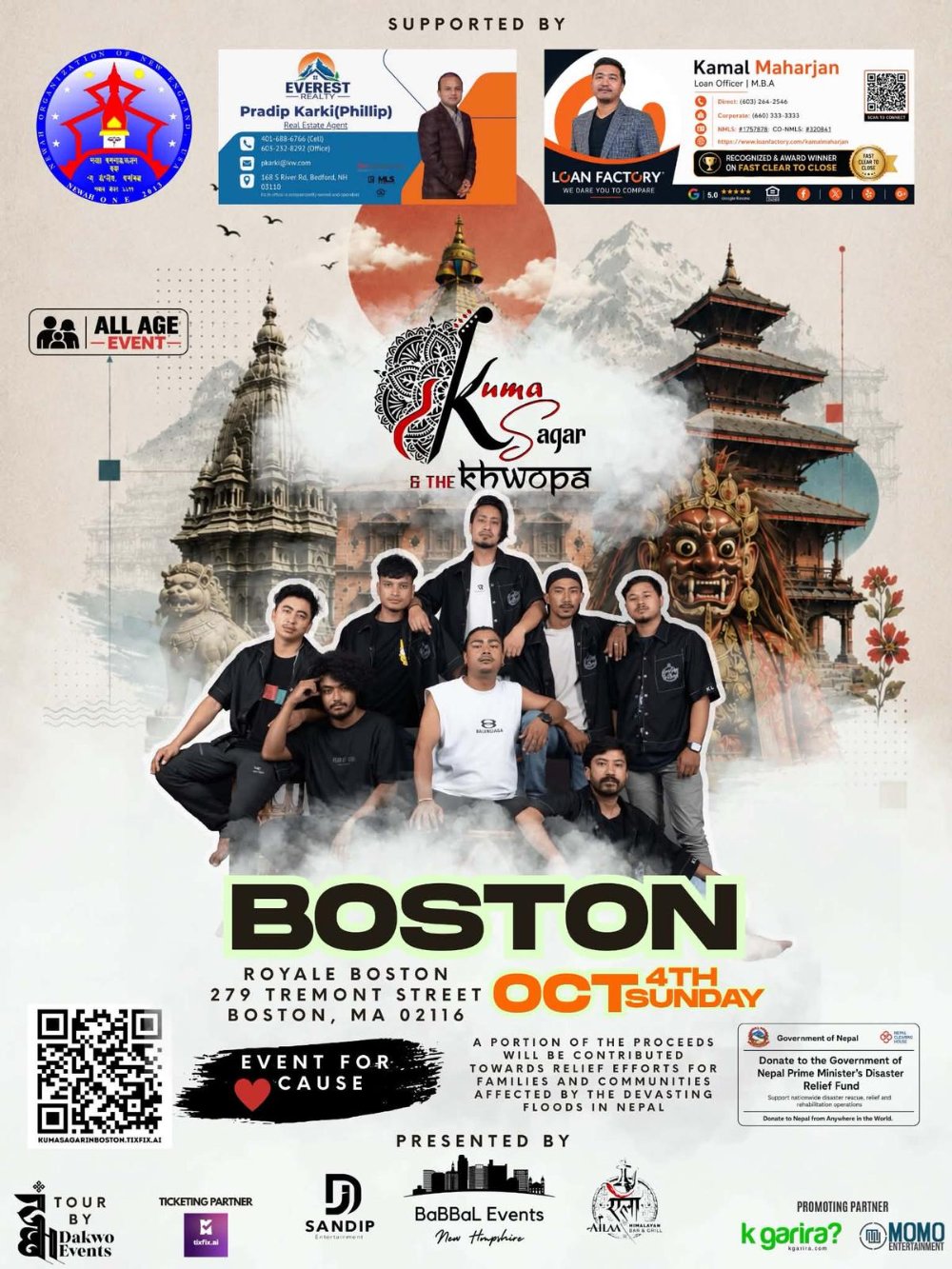 Oct 4, 2026 7:00 PM · Boston / New England · 518 views
 -
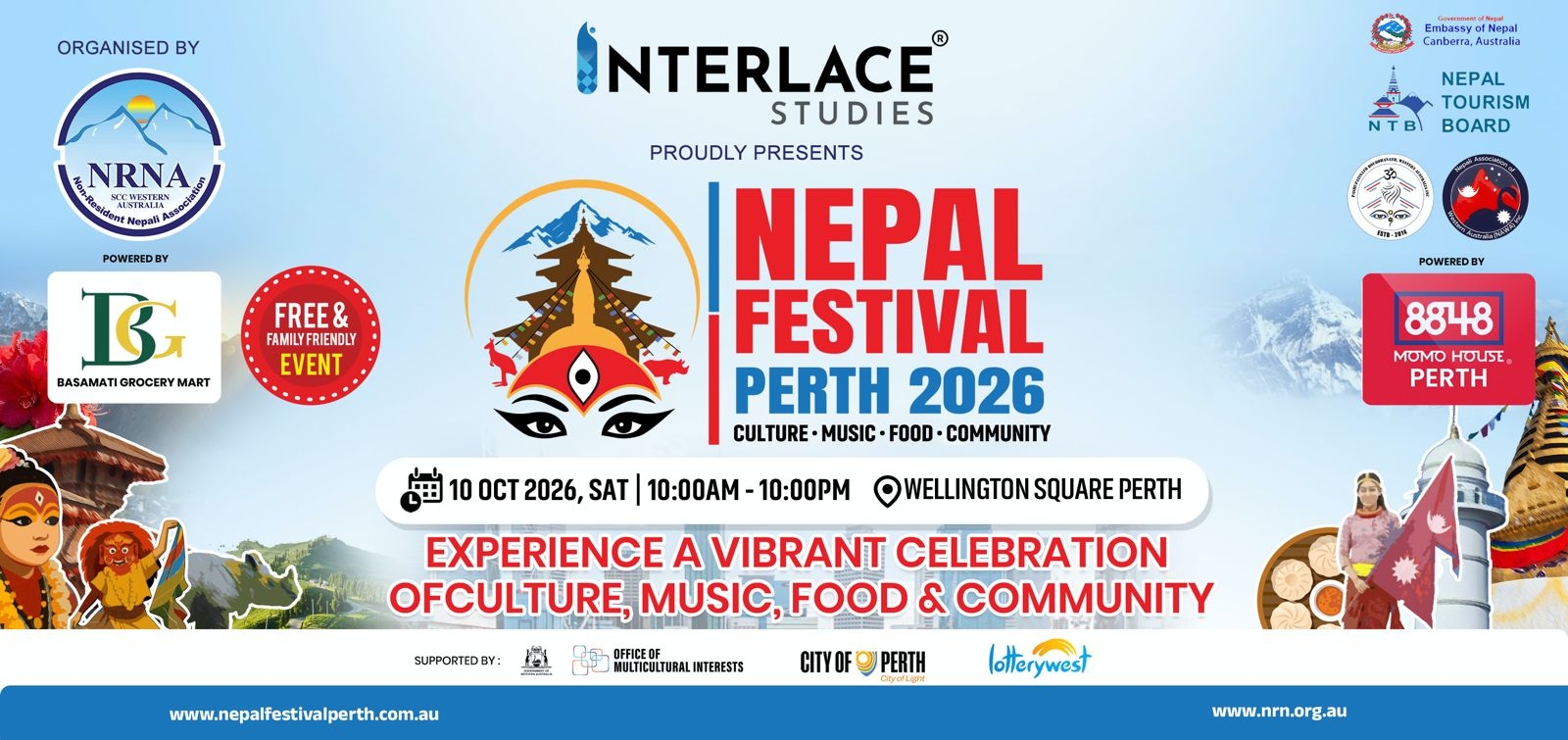 Nepal Festival Perth 2026 FestivalOct 10, 2026 10:00 AM · Perth / Western Australia · 227 views
 -
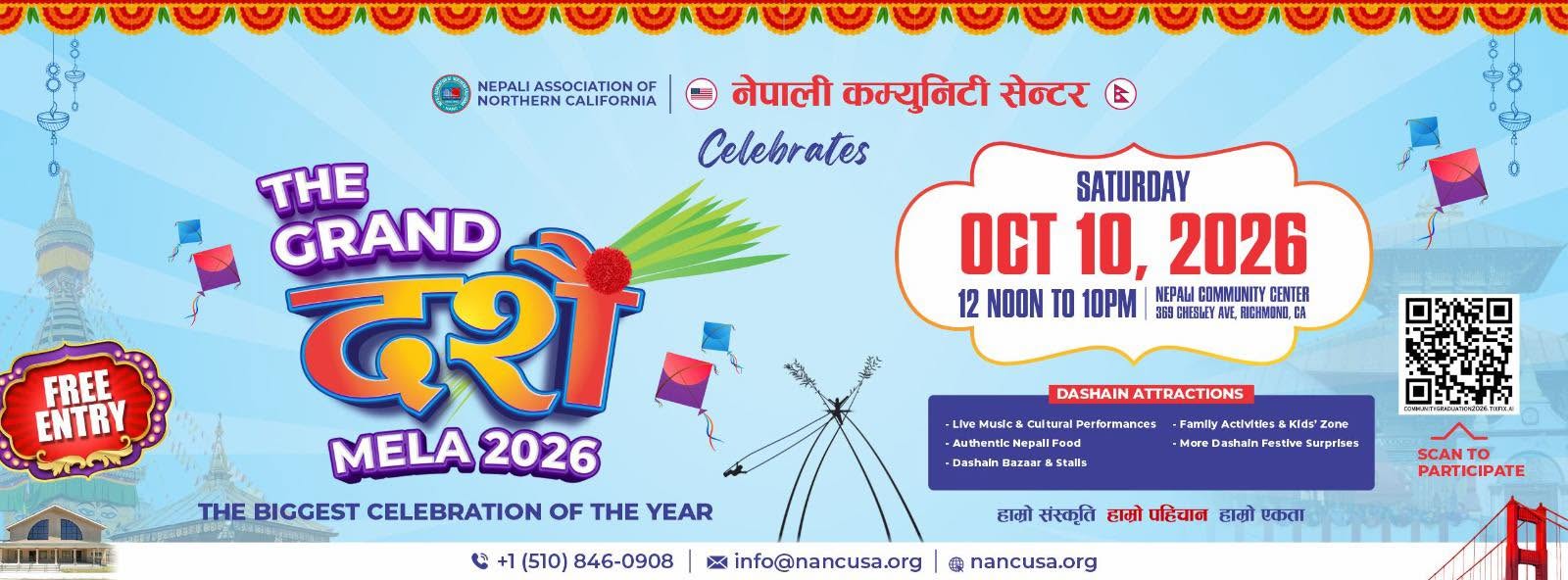 Grand Dashain Mela 2026 FestivalOct 10, 2026 11:00 AM · Bay Area / Northern California · 215 views
 -
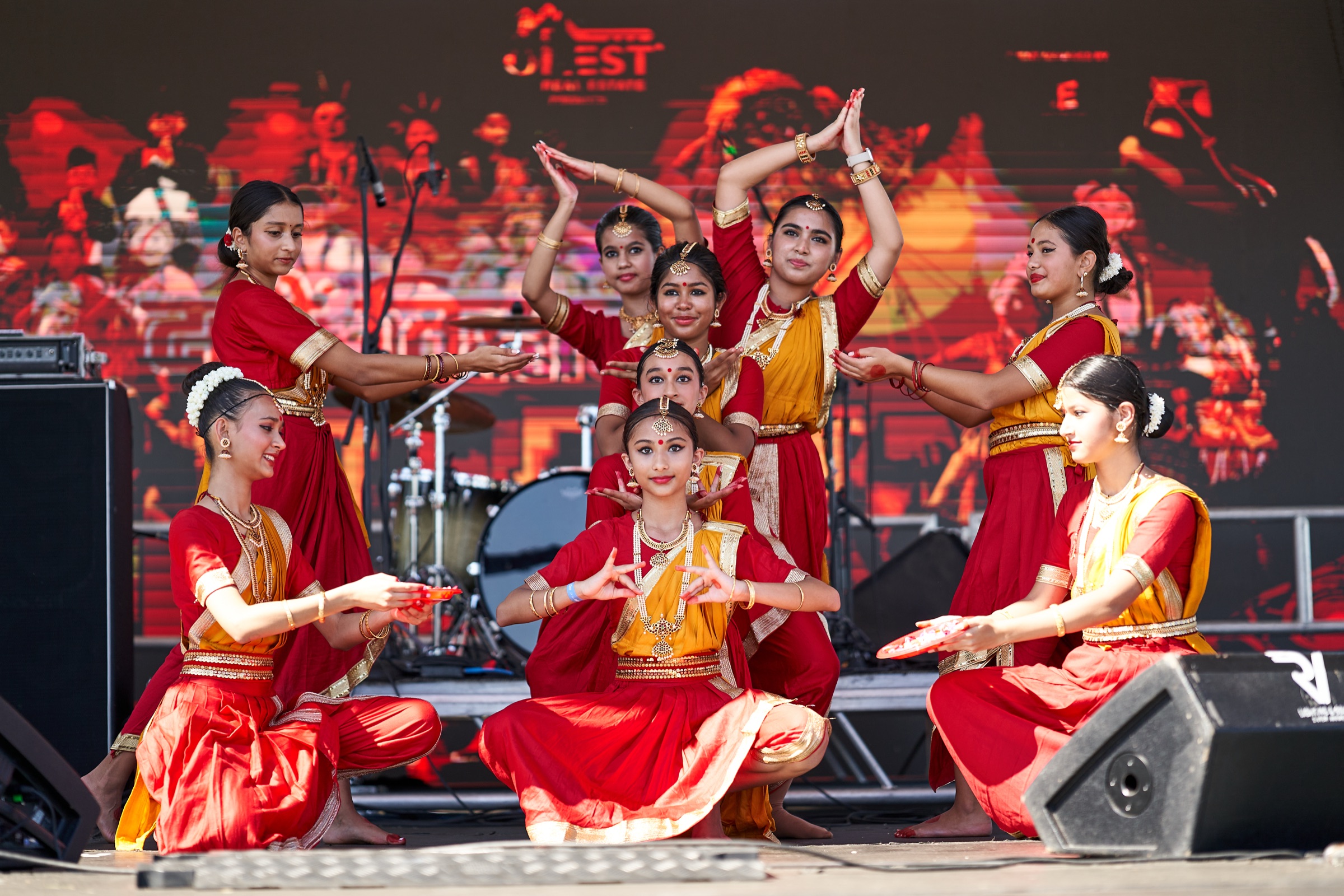 Oct 11, 2026 11:00 AM · DMV / Greater Washington · 228 views · Dashain
 -
 Dashain Festival Fulpati PartyOct 17, 2026 10:00 PM · Greater London · 189 views · Dashain
-
✓Vianet Communications OtherKathmandu · · 287 views
-
Aama Lama RestaurantMalden, MA · · 244 views
-
Ailaa Himalayan Bar & Grill RestaurantStoneham, MA · · 247 views
-
Ailaa Himalayan Bar & Grill RestaurantBedford, TX · · 222 views
-
Annapurna Curry & Sekuwa House RestaurantManchester, NH · · 225 views