A Call for a Comprehensive Plan to Address the Needs of Widows in Nepal
A Call for a Comprehensive Plan to Address the Needs of Widows in Nepal Recently, Finance Minister Surendra Pandey announced a budget of nearly 286 billion rupees (US$3.68 billion) for fiscal year 2009-2010 that will offer men a lump sum of 50,000 rupees (US$640) for marrying a widow. Although the government’s recognition of the needs of widows is commendable, the incentive policy put forth to address this issue needs to be completely re-examined and revised. It is mandatory for the government and the concerned authorities to consider the intended and unintended ramifications of these unharnessed remittances that could lead to not only supporting the already prevalent social inequities, but also contributing to social- ills. Despite the unprecedented global progress in the area of Women’s Rights, there seems to be an astounding ignorance and lack of concern on the plight of widows and their families. Governments, the international community, civil society, and even women's organizations rarely recognize widowhood as an issue. Although the issues of widowhood cut across every critical area including poverty, violence to women, the girl child, health, education, employment, armed conflict, institutions, systems, and human rights, widows are barely mentioned in the literature of gender and development, with the exception of aging. In Nepal, a decade of conflict has created thousands of widows and countless fatherless children. Although very little or no statistical data has been collected on the status of widows in Nepal, Women for Human Rights reports that more than 40% of widows in Nepal get married before the age of 20. Around 67% of widows are between the ages of 20-35 years and have an average of 3 to 4 minor children. In addition, only around 29% of these women are literate. Girls in Nepal are viewed to be under the protection of their fathers, married women under the protection of their husbands, and aging women under the protection of their sons. Widows, however, are in limbo and no longer have any protector. The grief that widows experience is not just the sadness of bereavement, but also the loss of their position in society which results in their utter desertion, destitution, and dishonor. They suffer the most extreme forms of discrimination and stigma. They become outcast and are often vulnerable to physical, sexual, and mental abuse. The impact of widowhood on children cannot be ignored either. Widowhood has a brutal and irretrievable impact on the children, especially the girl child. For most women, having lost the husbands, the main breadwinner and supporter of the children, widowhood consigns both the women and the children to the very margins of society where they suffer the most extreme forms of poverty. Poverty can force the children to exploitation in child labor, prostitution, early forced child marriage, trafficking, and sale. Without access to land, food security or adequate shelter, widows and their children suffer poor health and malnutrition that can be detrimental to their overall well-being. How is this incentive offered to men address the needs of these children? In addition, the issue of marriage is a personal choice and should be left to individual interests. Government interference into marriage could lead to “Forced marriage”, which in essence is a violation of basic human rights. The pernicious threats of men marrying the women for their own financial gain and not respecting the women in any appreciable way cannot be ignored. Coupled with these policy issues is the concern about the paucity of research to guide and support policy planning and the lack of communication between experts in the field and policy planners. Nepali Women’s Global Network strongly recommends the government to initiate a dialogue between the grassroots women’s organizations and the experts in this field for necessary interventions. Based on the anecdotal evidences, the general economic and social plight of widowed women suggests the need for a basic floor of defined vital services that would speak to sustainable income, education and training, healthcare, housing, life-skills, and self-reliance. Strategies like mentoring programs, scholarship programs, development and promotion of employment opportunities, trainings in sustainable income producing job skills, and micro-loans to enable women to begin small businesses are some of the best practices that have far reaching goals. The subtle, benevolent nudge of Rs. 50,000 given directly to the women as seed money towards their self-reliance can go a long way. In the light of the current situation, the Nepali Women’s Global Network applauds the work of Women for Human Rights and strongly urges the government and concerned authorities to give a closer attention to potential ramifications of such inequitable policies. We call the government to come up with a comprehensive strategy to address the needs of these women and invest in social welfare essential services. Investing in social welfare essential services for this forgotten community will not only help individual families, but the future of the nation itself. Nepali Women’s Global Network (NWGN) is a non-profit organization dedicated to promoting the cause of Nepali women around the world. We foster networking, support and self-reliance among Nepali women through education, advocacy, service and collaboration with like-minded organizations. www.nepaliwomen. org Sushma Barakoti President, Nepali Women’s Global Network, USA Contact: nwgnnepal@nepaliwom en.org
bhumi_gh · Jul 29, 2009 12:48 PM · 14,383 views
People in our society need to change their Thinking. Thats the only way women in our society can have equal rights as men. Offering money to marry a widow...I will say..stupid Nepalese men will never learn. "
Sexy In Sari · Jul 29, 2009 6:55 PM
This could turn ugly.. what if, a widow is married by a man, then govt gives 50,000 to the man.. and immeidately divorce the widow. Now will that woman be considered widow no more? Then another man can go and marry the same widow, and get 50,000? What if, people start killing men.. more widows will be created and to get that 50,000. What if, a woman does not to live with the husband.. instead get someone to kill the husband to be a widow and then marry with the killer to grab that 50,000. What if Sita becomes widow when Prachanda will be killed... Baburam can get 50,000 by marrying Sita? What if Mahara has a crush on Madhav Nepal's wife... and order YCL to get Madhav Nepal killed.. and married Nepal's wife.. 50,000Rs.. What if Sher Bahadur gets Surendra Pandey killed and then marries his wife... ha ha..
Ved555 · Jul 29, 2009 7:23 PM
they should do paper marraige and split the money. both parties can not have more than 1 divorce/year. If they made more than the amount they owe to government, they are not eligible for receiving money next time.
kingofmorons · Jul 29, 2009 8:41 PM
But Prahanda, Baburam, Mahara, Sher Bahadur, Girija.. they can manage to get any number of times this dowry for themselves... ha ha....
Ved555 · Jul 29, 2009 11:20 PM
This conversation is preserved exactly as it was on the original Sajha.com and can't accept new replies.
Start a New DiscussionYou might be interested in...




-
Room Available for Rent USD 850.00Melrose, MA ·
-
One bed room available for rent USD 1,300.00Germantown, MD ·
-
Malden, MA, United States · Reposted Originally posted
-
Big Room with Parking Next to bus stop USD 1,100.00Everett, MA ·
-
Rooms Available for Rent USD 2,700.00Reston, VA ·
-
 Oct 4, 2026 7:00 PM · Boston / New England · 519 views
 -
 Nepal Festival Perth 2026 FestivalOct 10, 2026 10:00 AM · Perth / Western Australia · 227 views
 -
 Grand Dashain Mela 2026 FestivalOct 10, 2026 11:00 AM · Bay Area / Northern California · 216 views
 -
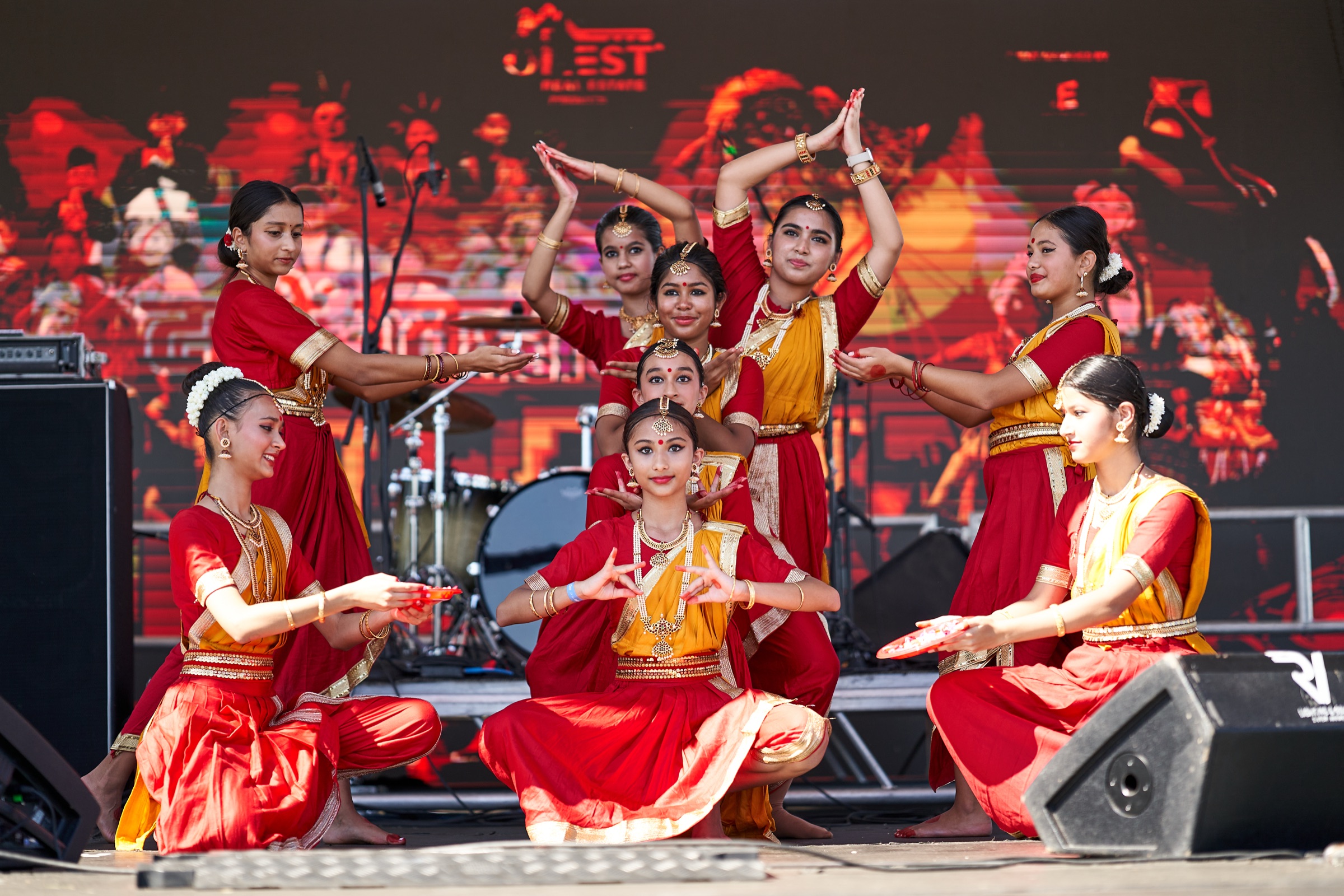 Oct 11, 2026 11:00 AM · DMV / Greater Washington · 229 views · Dashain
 -
 Dashain Festival Fulpati PartyOct 17, 2026 10:00 PM · Greater London · 190 views · Dashain
-
✓Vianet Communications OtherKathmandu · · 287 views
-
Aama Lama RestaurantMalden, MA · · 245 views
-
Ailaa Himalayan Bar & Grill RestaurantStoneham, MA · · 247 views
-
Ailaa Himalayan Bar & Grill RestaurantBedford, TX · · 223 views
-
Annapurna Curry & Sekuwa House RestaurantManchester, NH · · 226 views