Learn nepal bhasa (newari)
I would like to dedicate this thread for people wanting to learn and share about rich nepal bhasa (newari). Please refrian from posting racist and political agenda. note: Sorry guyz i have deleted previous post to keep this thread clean and for intended purpose..Hope u don't mind.. Here is site..which I hope will help people how to speak in nepal bhasa.. http://guthi.net/mankakhala/ch... Nepal Bhasa (known as Newari outside the community) belongs to the Himalayan group of languages. It is one of the few languages in the region with a written tradition. Since the AD 1200s, it has been used in Nepalese epigraphy, historical records and literary works. It flourished as the state language during the next six centuries, coinciding with Nepal's golden age of cultural development. It has several scripts that are now used only for ceremonial occasions. The Devanagari alphabet is currently used. LEARNING THE LANGUAGE The Campus of International Languages under Tribhuvan University, Kathmandu offers courses in Nepal Bhasa to foreign nationals. A number of other institutes also teach the language. ONLINE GUIDE The lessons here provide a very basic introduction to the spoken language. This guide will be helpful for small talk, asking for directions and shopping. The syllables have been separated by hyphens in the lessons for easier reading. There is no pause at the hyphen in actual speech. The word order in a sentence is subject-object-verb. Adjectives and adverbs come before the words they modify. Click on menu to go to lessons. Chapter 1 - GENERAL Chapter 2 - WHAT Chapter 3 - WHO Chapter 4 - WHOSE Chapter 5 - WHERE Chapter 6 - HOW Chapter 7 - REVISION Chapter 8 - WHEN Chapter 9 - DIRECTIONS Chapter 10 - SHOPPING Chapter 11 - VERBS Chapter 12 - COUNTING Chapter 13 - VOCABULARY GUIDE TO PRONUNCIATION VOWELS a as in bug aa as in car i as in kit ee as in keen u as in could oo as in cool e as in say ai o as in old au an as in French un ah as in awl CONSONANTS ka as in cut kha as in Khmer ga as in gut gha (aspirated ga) nga as in song cha as in chuck chha (aspirated cha) ja as in jug jha (aspirated ja) yan as in young (nasalized) ta as in ton tha as in thunder da as in dug dha as in dharma na as in nut pa as in pup pha as in fun ba as in bug bha (aspirated ba) ma as in mother ya as in yet ra as in run la as in love wa as in wonder sa as in son sha as in shut <span style="font-size: 10pt; font-family: Arial;
confused_soul · Jun 6, 2009 5:51 PM · 73,974 views
sachokura, your name should be acchi ko kura it's people like you why country is in ruins. When two people start talking in their mother tongue supposedly newari, you start labeling them racist. When in reality, you are racist retard. You cannot tolerate other cultural heritage nor have respect. You are among the people who incite others to make racist comments when you are yourself racist. It is no surprise when you make comments like "I never liked/ will like a single newar in my life specially those from valley." Why da hell do you come to valley for?? and who is racist mo fo?? With your screwed up mentality like "newar esta hudaina bhai dusta hudaina" I wonder if you even have friends. Feel sorry for you. Last edited: 08-Jun-09 03:12 AM
ji newah · Jun 8, 2009 3:11 AM
hey sachokura, why not stop posting in a sajha it was indeed created by a newar
bikash_p · Jun 8, 2009 7:28 AM
A nepal bhasa dictionary http://nepalbhasa.co.cc/dhuku/ You can search for meaning of any word in newari. You can give english or dev nagari input and show you the meaning related meaning in english and nepali. Very easy to use. You can also help add other nepal bhasa words in this 1. another site is: http://www2.pair.com/webart/my... Although this site seems so intimidating and complex for beginners, it is actually very concise and has lots of stuff. I must warn you, it does take lots of time getting used to. I will try to post another nepal bhasa lexicon, if I come across one. Last edited: 25-Jun-09 11:01 AM Last edited: 25-Jun-09 11:03 AM
confused_soul · Jun 9, 2009 2:57 AM
source: Dabu address: http://www.geocities.com/Heart... Dabuu is a quarterly newsletter of the Nepa Pasa Puchah and is dedicated to communicating and highlighting the activities of the NPPA. It also provides a forum to exchange social, cultural and educational activities of the Newa community. We invite you to write articles and letter to the editor. Editors: Dr. Tulsi R. Maharjan, Ellen Lindemann Editorial Representatives: Dr. Devendra Amatya, Ms. Neeva Pradhan, Ms. Sarita Malakar, Mr. Daya Shakya, Mr. Raju Tamrakar Newari Children Books by Amulya Tuladhar I have the pleasure to bring to the notice of those adults and children trying to inculcate some culture into our children while getting overwhelmed by the big TV culture of America. On a recent visit to Nepal, I bought some wonderful children books to teach NEWARI language, NEWARI values, NEWARI discursive referents, and generally to reproduce NEWARI culture. I have been trying to teach my 4 year old daughter some NEWARI while paging through some comic book like illustrations and nursery rhymes and have been lost in the sweet nostalgia of old familiar tales that I am doing most of the reading than my daughter. I have not read all but I recommend all interested in NEWARI culture to read and enjoy the really pure NEWARI idioms that are so enjoyably deployed in these books. 1. "Nepayagu pulan bakhan" [Old Stories of Nepal] by Karunakar Vaidya part III This is a collection of some 15 traditional stories we grew up with to shape our values, world view, ethics, etc. Here are some example titles: a. paju wo bhincha [uncle and nephew] b. hwen khen dhoma wo gwasi daju [the match making matron..] c. tiri maiicha [Cute Little Girl] 2. part 5: (26 short stories such as) : a. nag wo jyapu [the snake & the farmer] b. kwo wo bwo [the crow and the crane] c. pyama gajigulu pasa pin [four stoned friends] d. machaya insaf [the child's justice] 3. Folk tales of Nepal, (part 6, 21 stories) a. dhwon cholecha ya bakhan [story of the shepherd] b. kaka ju ya bakhan [story of the uncle] c. kan, khu, dhusi yagu bakhan [of lame, deaf, and blind] d. kala dya napalagu [meeting the death god] f. pyema khunta [the four thieves] 4. Nepal bhasa gwo akha safu: nigugu This is a do-it-yourself introduction to NEWARI letters and numbers, a "varna mala" designed for KG level by Bishnu Chitrakar and illustrated by Sharad Shakya and computer printed by JuJu Tuladhar. The book taught me the correct NEWARI way to count 1,2,3 as "chi, nasi, swo, pi..*' all the way to 100 "guisanha". The book also introduces the children to the real NEWARI script, many of whom are only exposed to the devanagari script. These scripts are beautiful Ranjana lipi and nepali lipi, two of the more common among more than 14 variants, supposedly used as distinctively nepali script to win membership to UN. This book also has short nursery rhymes. 5. "Chankha ma chakhuncha" [The Clever Sparrow] by Shyam Lal Shreshta published by Nepal Lipi Guthi [Nepal script trust]. A delightful comic book type in black and white line drawing with references to NEWARI scenes of jyapu and kharpan, NEWARI houses with tile roofs and tikijhya or latticed windows, I must admit that it is difficult to persuade my daughter to be interested for more than a few pages with perked up purple commercial monster,Barney, on the a PBS... 6. "macha kyaba" [the children's garden] This is another delighful children book with nursery rhymes such as "imu wo mari" [the ant and the bread] illustrated in musical score, do-it-yourself stories with sequence of pictures, short intro to river Bishnumati, introduction about the great chinese wall, the spiny anteater etc. obviously for first grader or above. 7. 'bhya-cha dyo" published by Nilkanth Shrestha, the pictorially illustrated "comic book' type book of the folk story of the origin of cross section between Indra Chowk and Kila Gal. Again delightful language that connects NEWARI kids to the place, how Newars are attached to the Kathmandu Valley. 8. "dhwo cholencha" another pictorially illustrated favorite story of animal love, cruel stepmother, greedy half sister, kind animals, coals and spits that speak, and the origin of NEWARI idiom, "ma ya samaa, samaaa mhya ya kanla, kanla" 9. "jatak" the story of the monkey and the crocodile, humours shows how the presence of mind saves the monkey from the crocs, delicious is the language with which wife croc speaks to hubby croc "ya yejju, jita wa maka ya nuga syen nayagu ichcha jugu ta da he de dhunkala" [oh my darling, it has been a long time I have been wanting to munch that monkey's heart}." 10. "hasi mala ma macha" a pictorial comic book format folk story the picturesand the print are crude, what can you expect for publishing only 4000 copies at Rs 4 a copy? 11. "chakhun chiya tangu kaygu" [the lost pea of the sparrow" another comic book format story. 12."maha satwo" [super compassionate] one of the favorite stories my mother used to tell me about a prince who cuts his own flesh to feed a starving tiger to weak to give milk to her cubs. One of my fantasies is to be eaten by a tiger, so romantic way of dying... 13. "kata maricha' [the doll } a collection of 58 NEWARI nursery rhymes a must compiled by Dr. Kumar Bahadur Jjoshi. It has songs to sooth children when crying, songs to teach them about birds, about sharing, about bathing, about toddling you name it, it is there, absolute gem. 14. "surat bajra" the story of the mythological NEWARI scientist who could do what modern satellites do now remotely sense that his house was on fire when he was conferring in Tibet and dousing it with his spit, my inspiration for remote sensing Himali environment from USA. 15. "Ti bhi bhin kaye yasa dwa dwan wa" a story of monsters and demons 16. "luti maye ju" about the great grandmother goddess who had many children but was very poor. She is humiliated for her poverty. 17. "makha pikha" (the cobweb), about a king who gets an ear infection with cobweb until a clever but a lazy boy cures him. 18. "jhigu bakhan" [our story] a modern story about cleanliness hygience, carpet labor, pollution, congestion,urban living. 19. "shilu" the celebrated story also made into a NEWARI movie is about an obstinate woman who insists on accompanying her husband to Gosaikund although there is a taboo against it 20. "taleju" another pictorial comic book format of the story of goddess Taleju in Hanuman Dhoka where hundreds of animal sacrifices are made on the nawami of Vijay Dashami. 21."kata mari cha ya bivah" [the marriage of the doll]] Comic.
confused_soul · Jun 24, 2009 10:18 AM
source: Dabu address: http://www.geocities.com/Heart... Basic Newa Vocabularies by Daya Shakya Here are few day to day vocabulary of Newa word for your learning pleasure!!!! name naa~ what's your name? chhigu naa~ chhu ? My name is jigu naa~ ---- kha: elder sister tataa younger sister kehe~ sister in law tataa:ju mother-in law sasa:maa~ Father-in-law sasa: abu news bu kha~ news paper bu kha~ pau Annual Magazine da~ pau Thank you subhaaye How are you ? chhita: mha~ phulaa ? letter pau book saphuu pen cwasaa food nasaa toys nhyawa:saa towel khwaa-husaa good wishes bhintunaa I wish you good luck - jigu bhintunaa du. photo kipaa basket kala: plate(dinner) bhu/demaa fork kaataa spoon dhagaa: laddle dhaga: bowl baataa morning Meal debu evening Meal beli snack kaulaa reception tuchchaa party dinner bhoye rice jaa lentil ke~ salad achaar side dishLasaa Meat Laa fish nyaa curry tarkaari yogurt dhau milk duru
confused_soul · Jun 24, 2009 10:23 AM
Note: Although I don't agree with some views of the writer, I am posting this article for the sake of understanding professions associated with the newars. source:jwajalapa yahoo groups address:http://groups.yahoo.com/group/... Newa Chamber of Commerce Newars are rich not only in culture and language but they are skilled in different profession according to their sub casts. So we need to organize our traditional profession and business to cope with present scenario and competitive market so that Newar professions will be well established again which will uplift economy of the nation as well. If we do not organize and train with the modern situation and technology, Newar trade will disappear. Eventually the Newar themselves will be replaced by Non Newars in the Nepal Mandal. For example, we are not able to apply scientific way of farming. We could not attract the farmers to agriculture. This may be the reason why Newa farmers have sold almost all fertile land of the valley, and now we are worrying that Newars are becoming minority in the valley. We have to protect our land by creating attraction in the agriculture so that we need not sell our land. Protecting land will save environment as well which is good not only for Newars but the entire living creatures. Kansakars of Jan Bahal (Kel Tole, KTM) were well known traders in bronze wares. Now you will see hardly any bronze shops in Kel tole area. Shops are being replaced by non Newars. Singing bowls (bronze ware) are being exported to different countries from Nepal in tons, but where the Kansakar traders have gone ? Ranjits (Chhipa) of Newar community are the skilled dyers of Nepal by profession. There are many dying industries in Nepal to dye Pashmina and Carpets, but dyeing industries are not owned by RANJITs. Pashmina is the number 1 export of Nepal. You will see some gold shops owned by SHAKYAs in KTM but behind the curtain, all the workers are imported from foreign land. Flowers are in highly demand during Swonti Nakha. Newar GATHU (Malee) are limited to HASA pasaw only. To enhance the professional skills with new technology and market trend Newa traders must be organized. Also to protect the craftsmanship of the artisans we need to organized. There are many housing apartments in Kathmandu now. But Newars made Bahals and Chowks in the past which is also a kind of housing colonies. We are neglecting Bahals and chowks these days which are actually very safe and scientific. To organize and enhance everything we need to be organized for business and professions as well. May be it is high time we established NEWA CHAMBER OF COMMERCE & PROFESSIONALS. Please read the attached article in Newa language which was published in the SANDHYA TIMES daily somedays ago. The below is the list of some professions of Newars have been involved from generation to generation. Thanks and best regards Dipak Tuladhar Field / profession Engineering = NAKAMI नक:मि (कौ) Doctors = VAIDYA बैदà¥à¤¯ Artist = POON पà¥à¤‚ Oil vendor/maker = SAYEMI सायमि Agriculture = JYAPU जà¥à¤¯à¤¾à¤ªà¥ Dyers = CHHIPA छिपा Gold smith = BARE बरे Copper smith = Tawo: URAYE / तव: (उरायà¥) Brass ware = TAWO: UEAYE तव: (उरायà¥) Bronze ware = Kasaa URAYE कसा: (उरायà¥) Carpenter = Sthapit URAYE क:मि (उरायà¥) Meat vendor = NAYE नायॠFruit vendor = NAYE नायॠMini Bank = SARAFI सराफि Mini Changer = SARAFI सराफि Flower vendor = GATHU गथॠTailoring = JOGI जोगि Business = SYOSYO सà¥à¤¯à¤¸à¥à¤¯: Bureaucracy = SYOSYO सà¥à¤¯à¤¸à¥à¤¯: Priest (Hindu) = DYO BARMU दà¥à¤¯:बरà¥à¤®à¥ Priest (Buddhist)= GUBHAJU गà¥à¤à¤¾à¤œà¥ International trade= Tuladhar URAYE (उरायà¥) Dry cleaners = RAJAK धोबà¥à¤¯à¤¾ Barber/beauty parlor = NAU / NAUNI नौ/नौनि
confused_soul · Jun 24, 2009 11:47 AM
source: Dabu address:http://www.geocities.com/Heart... How the Streets are named in CAT-MAN-DO Daya R. Shakya, Portland, Oregon When I went back to Nepal after living in the US for 5 years, I saw a big change. Lots of new buildings appeared. In many places new markets were run from naanglo pasal to super markets. I saw many waalaas of Indian origin selling fruits and vegetables on unridable bikes. I also noticed that some clubs (Maybe Rotary Club) have put street signs almost every where in the city. One of the most eye catching names for me was "Chab Hill" a place located on the way to Boudha. To my knowledge, I never recall this name being used in the history of Kathmandu Valley. Was it a mistake or did a new name appeared in Kathmandu ? I could not figure it out right away. I asked myself how many streets had been renamed and how many localities had disappeared from Kathmandu in the process of developmental activities undertaken by the Kathmandu Nagar Vikash Yojana (An urban development project for Kathmandu Valley). I realized how many names had disappeared from the Valley. Definitely, the Chakra Path or Ring Road is new for old folks. However, the new generation may not have heard about some of the original names for many localities. In order to locate many places within the ancient boundary of the Kathmandu city, one has to participate in the Upaaku Wonegu Ceremony (a festival similar to Mati yaa in Patan) that takes place on the first day of Indra Jaatraa. On this day, family members of a deceased person go around the boundary of ancient Kathmandu city offering the Palchaa Lamp ( a small offering lamp made of earthen pot with oil and wick ) in every shrine they come across on the way. (For detail see Mary Slusser's ' Nepal Mandala' ). My focus in this article is to draw your attention to how the streets and localities were originally named in Kathmandu city. At this time many of the original names have almost faded away from our memories. Many of the local names of streets and localities are based on Newar names that have been changed into new forms. The impact of change is gradually leading towards the disappearance of the legitimate and original names of many localities. Historical evidence shows that the name KATHMANDU has been linked with a phrase "KASTHA MANDAPA". It refers to a mandapa or pavilion, built with wood of a single tree in the 17th century, and named Maru Satala. It is located near the Kathmandu Ganesh shrine ( The Gaju maru Ganesh/ a shrine without Gajur or pointed part of roof ). Before this the present Kathmandu Valley was known as the Nepal Valley. The same name KASTHA MANDAPA became KATHMADAUN and KATMANDU or CAT-MAN-DO in Westerner's tongue. On the one hand the tri-cities of ancient Nepal Valley Kantipur, Lalitpur and Bhaktapur are also known as 'Yen', 'Yala' and 'Khwopa' in Newar Language. They have been called Kathmandu, Patan and Bhaadgaaon in Nepali. In addition, the towns located in suburban area of the valley Banepa, Dhulikhel, and Kirtipur are also known as Bhota, Dhaukhyah and Kepu in Newar language. The civilization of the Kathmandu valley is credited to the original inhabitants, the Newars. They have decorated the entire city with beautiful arts and artifacts that reflects the unique culture in the valley. As time passes by people adopt new life styles, and give up the old ones. Similarly, many of us prefer to use new names for the streets and localities. However, we are not aware of many original names. Each street and locality carries a back ground story for their existing names. In search of forgotten names of streets and localities, I realized that many of them are disappearing and our descendants may not know the stories related to them .The old names seem odd for them. At present, there are many key places in KATHMANDU. One time the street NEWROAD was popular and eye catching for many people living in Kathmandu. People went over there to buy newspaper, gather for political chats and get their shoes polished. The original name of New Road was Juddha SaDak. It was also known as the Nhu SaDak in Newar language which means Naya SaDak. Later it became "New Road". Similarly there are many places that carry a name linked with a meaningful Newar word. However, at present some of those places have been renamed or changed into different forms. You may have noticed that many of streets and localities carry following suffixes: Gah Place of production; old name for city or Nagara, Ghah Vessel Hiti Spout Twaa Local Community Baha Buddhist Monastary Galli Lane/ Alley Mati Mother of Water Source Keba Garden Pukhuh Pond Bazar Market Cho Hill top Paakhaa Slope Nani Block Laachhi Off the house area Chuka Court yard Dhwaakhaa Gate / Entrance Each of these suffixes hold a meaning, and a prefix is added to it depending upon a back ground story on the naming of the location. Many of these locations are also mentioned in several Newar folk songs such as Rajamatikumati, Wa chhu galli Thwochhu galli, Siloo Tirtha etc. It is interesting to know that a personal name is not used to name the street or locality in the ancient and medieval periods of Nepal Valley. However, in modern times with an influence of Rana and Shaha people, the streets and localities have been named after people such as Juddha SaDak, Ratna Park, Ram Shaha Path, Sukra Path, Dharma Path, Gangaa Path, Lekh Nath Marga, Bhimshen Stambha, Singha Darwar, Mahendra Nagar, Birendra Nagar, Prithvi Raj Marga, Mahendra Raj Marga etc. With this concept, some of the old streets have been renamed. Since this article is focused on original names, a discussion of modern names is not intended here. The street names and localities with above mentioned suffixes and their historical meaning have been listed below. The name with the suffixes not listed above are placed into different category. The meaning of street names which are not attested with reference materials and unable to be analyzed at this time are placed in a category of (?). The streets which are still called by the same name are listed with (=) sign. It would be appreciated if any one who has information on the unanalyzed word, contact the writer. To conclude, the historical importance of each name of every corner of Kathmandu valley is undeniable. Before it is too late it is the time to teach our descendants about the localities of the Valley and keep them aware of original names. By doing this they get a special pleasure of knowing and understanding the ancient civilization of our ancestors. It would be an interesting topic for research on ancient cities in the Valley. Original Names Current Historical Names Gah (Place of Production) Kilaga: Kilagal Kisi gah - Elephant Barn Cikanmuga: Chikanmugal Place of oil production Tengah Tengal Sheep Wool production Gha: (Water Vessel) Wangha:/Hwongha: Indrachok Silver Vessel/Junction Nhugha: Jaisi Dewal New Water vessel Nagha: Naghal Iron water vessel Si:gha Srigha: Vihar Copper vessal Hiti (Stone Spout) Bhotahiti = A spout built by a merchant from Bhota (Banepa) Maruhitu = A spout near by Middle town (Maru Ganesh ) Thahiti = A Spout installed in North side of town Kohiti = A Spout installed in South side of town Naranhiti = A spout installed near Narayan shrine Twaa (Locality) Kel twaa Kel Tol An ancient town of shakyas from Koliya Bhindya twaa Bhimsen Than Bhimsen Shrine Khiu twaa Khiul Tol An area of Dark street Nhaayekan twaa = Nhaekan Talla = A temple decorated with mirrors Naayetwaa = Kasai Tole= Animal Slathering Area (Butcher Residence) Pore twaa = Pore Tole = Street sweepers residential area Lagan twaa = Lagan = Place of dried water source ( La: Gan) Bramhutwaa = Bhramha Tole = Brahmans living place Guchaa twaa = Guchchaa Tole = Marble playing place Baha (Buddhist Monastry) Jana Baha Jana Bahal Jana Maa Dyo is located khA baha Khabaahal Early roosters singing area Chusya Baha = Chhusya Bahal = where wheat is grown Te baha = Tebahal/ Sankata = south east region of the Ancient city Itumbaahaa = Itum bahal = Clear water well area (Yechu tun) Jyaabaahaa Jyaabahal ? Om Baha Om Bahal ? Bhagawan Bahaa Bhagawan bahal ? Sabal Baha Sabal Bahal ? Bahi (Buddhist Sub-Monastary) Khusi bahi = Khushi bahil = river side monatry Naka bahi = Nabahil = A monastery established around Black smith (Nakarmi) Chaa bahi= Chaa Bahil = A Monastery built in the name of Princess Charumati the Daughter of Emperor Ashoka Than Bahi = Thamel = A sub monastery located in Thane( North) area Galli (Lane / Allay) Tamo Galli = Coppersmiths allay Namuga: galli = A place where one can buy hammers Tunchhen galli = Place where a house is build above a well Sikanmu galli = A lane where Carpenters live Taa galli = ? = A lane which is longest in length Pun Chen Galli = A lane where paintes live Chokhaache Galli = ? Gwaachhimo galli = ? Mati (River Name) Kalmati Kalimati A place where one never wants to go. Only dead people are taken there Bishnumati = A River that come out of Bishnu Paduka source Baghmati = A river that came out of Tiger dwelling forest Keba (Garden) Khya Keba = Khya keba = Large size garden Phasi keba = Phasi Keba = pumpkin garden Bhaukeba = Bhau keba = A garden dedicated to Bhagavati shrine Paacho (Sloppy Area) Nyatapaacho = A sloppy area near Nyeta (Naradevi) Naaye pacho = A area near by butchers' residence Pukhu (Pond) Khichaa Pukhu: = Khichaa Pokhari = baby waste washing area Ikhaa Pukhu: = Ikhaa Pokhari = spitting Pond Paleswan Pukhu = Kamal Pokhri = lotus flower Pond Kwaapukhuu = Kwaapokhu = warm spring water pond Pakopukudyaan = Paako = A pond near the sloppy area Bazar (Market) Dilli Bazar = A market run by Muslims from Delhi Bagh Bazar = A market established near by Bagh Darwar Naya Bazar = A market newly established Raki Bazar = ? A market run by Iraqi people near Indra Chowk Cho (Hill Top) Jaamaacho = ? Phuchwo Phulchoki ? Dhilachwo = ? Sipu:chwo = ? Khyah (Field) Itun khyaa = Tundikhel =A field belong to Itum baha people Burn khyaa: = Bhurun khel = A field fermented heap of rice Gwonga: bu = gwongabu = Wild rooster field Lachhi (Off the house area) Ka:mi lachi = Kamalakchi Carpenters area Kamalachhi = Kamaladi ? Kusum biyaa laachhi = ? Nani (Block) Taanani = Longest block in town Haepun nani = A block where a painter who sells ducks Piga: nani = A block with four ways of exit Chhen (House) Jhoh chhen = Nicely built row of houses Dalaachhen = Houses with Dalan (New kind of doors) Ta:khaa chhen = A house with huge door lock Chuka (A courtyard Sorrounded by houses) Dambo: chuka = ? Asan chuka = A chuka located in Ason tole baidya Chuka = The Vaidya court yard. Dhwaakhaa (Gate / Entranace) Hanuman Dhokaa = A gate near by the Hanuman Shrine Kishi DhwAkhaaa = A house with elephant carvings Tinkha: dhwaakhaa = Tundikhel Dhokaa = The entrance gate to Tundikhel Iswor (Shrine) Tankeswor = Pith (Shrine) Kankeswor = Pith (Shrine) Gyaaneswor = Mahadev Shrine Baaneswor = Mahadev Shrine Bijyaasa: = Vijeswori = Yogini Devi Shrine Nhya:khaa = Nhyakhaa tole = Roosters wake up early Hyumata = Hyumata tole = Where a swinging lamps is taken outduring the Indra Jatra Festival DhokAdha: = Dhokaa Tole = A sewarage linked with river and old palace Yangaa = Yangaal = lowest area of 'Yen' (Kathmandu) Tamsingpaaakhaa = slopy area of taega simaa (a kind of tree) Maji paa: = Majipaata = Modified form of Manju Pattana lhuti= Balaju lon hiti > stone tap place Desaye maru jhyaa= A unique window/no duplicate Taahachal =A place where long landslide takes place Tekhu = Teng khu > ancient river bank (?)Masu Sata: Marusatal A rest house near by Maru Ganesh shrineTeku duwaa Teku dobhaan Junction of two rivers Bagmati & Bishnumati Jyathaa = Where elderly people work as potters Jorganesh =A shrine with a Pair of Ganesh images. Poka nhaaye dya:= Paaknajol = A shrine of liquor god Thaaemadu Bange Mudha = Very crowded area Bhyaachaa dya = Bheda Singh = Where a sacrifice sheep Lumari dya = Bhadrakali = Pieces of bread turned into gold Dwon chasaana = Animal waste used as fertilizer for Penga: Thaan = A shrine erected with four stone pillers Nyeta NaradeviNyakuu tan = Place of animal horn stack Sunta gaan Sunaar gaau Non Newar goldsmiths village Hati saar = Off the City Elephant Barn Naksaa= Naksal = A town near Naksagar Bhagawati Shrine Tripureswor = A place with Tripura Sundari Shrine Thaapaa thu: = Thapaa Thali = A hill top of Thapa people Pulan bhansaa:= Puraano Bhansaar = A old custom clearance Pyaa pha: = Pyaaphal = Animal resting place (usually wet) Balkumaari = A place where a shrine Bal Kumari is located Lainchour = Radish field Dhobichour = Washermen's laundary drying area Bhata Bhateni = Shrine name Battish Putali= 32 angles came down in the form of butterflies
confused_soul · Jun 24, 2009 12:14 PM
ka beiman K garera leyera ahko yo thread ma... ka ka mukhula.... lol
joint · Jun 24, 2009 3:47 PM
Very nice! Keep it up!!
TM · Jun 24, 2009 4:10 PM
Last 20 years living in Katmandu city, Have many friends locally could not learn more than 20 words. May be I was not ready, look at those indian selling tarakari now teaching us to speak Local language.
बैरागिकाइलो · Jun 24, 2009 4:13 PM
Last 20 years living in Katmandu city, Have many friends locally could not learn more than 20 words. May be I was not ready, look at those indian selling tarakari now teaching us to speak Local language.
बैरागिकाइलो · Jun 24, 2009 4:13 PM
thank u guyz for liking this..I will keep updating, adding new stuff and also correcting and editing whenever necessary. I hope all newah people and people who enjoy newah culture will love this. sorry for the video...I hope u notice...lol Last edited: 24-Jun-09 07:44 PM Last edited: 24-Jun-09 07:57 PM Last edited: 24-Jun-09 08:13 PM
confused_soul · Jun 24, 2009 7:43 PM
This conversation is preserved exactly as it was on the original Sajha.com and can't accept new replies.
Start a New DiscussionYou might be interested in...




-
Room Available for Rent USD 850.00Melrose, MA ·
-
One bed room available for rent USD 1,300.00Germantown, MD ·
-
Malden, MA, United States · Reposted Originally posted
-
Big Room with Parking Next to bus stop USD 1,100.00Everett, MA ·
-
Rooms Available for Rent USD 2,700.00Reston, VA ·
-
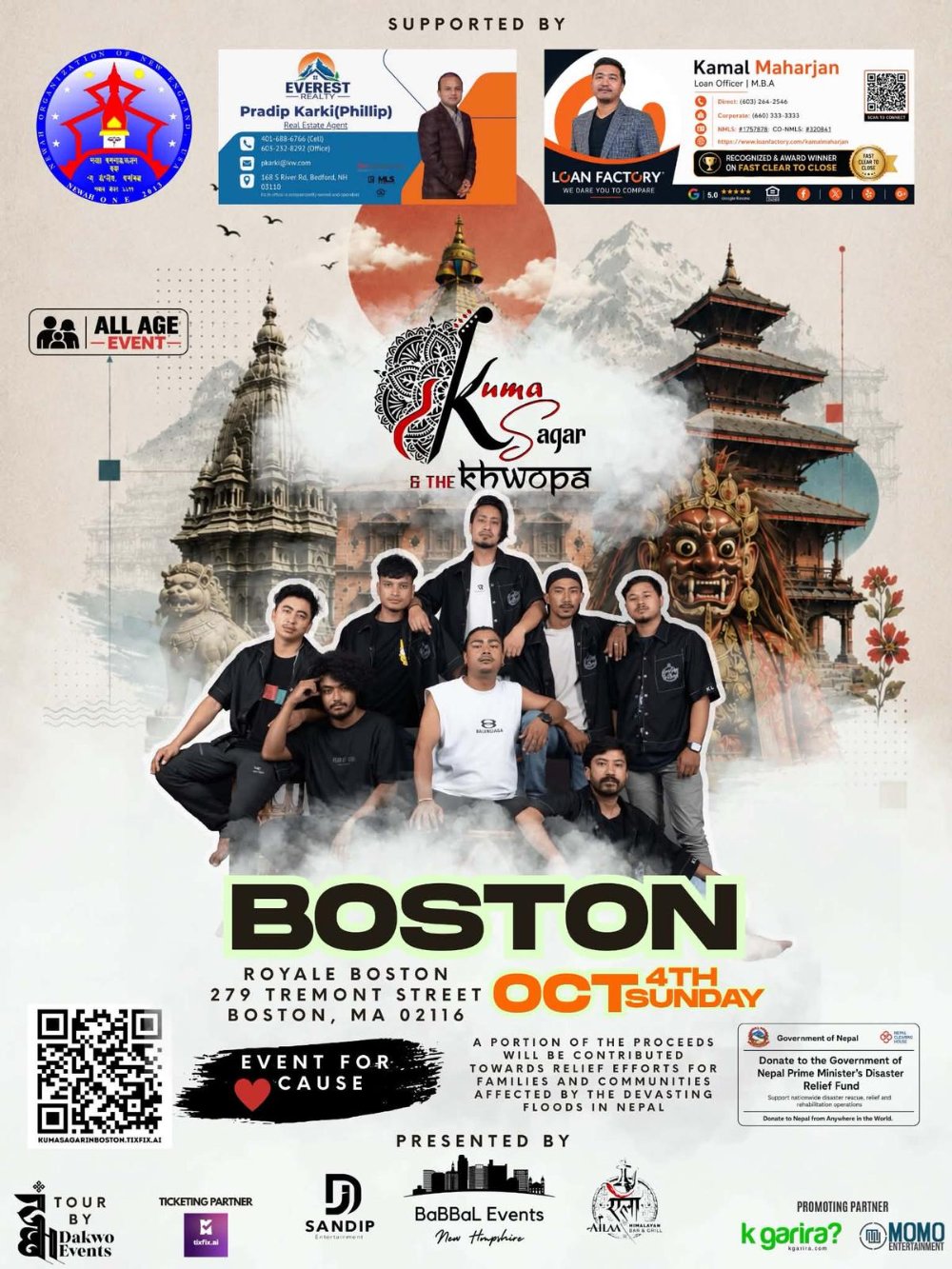 Oct 4, 2026 7:00 PM · Boston / New England · 518 views
 -
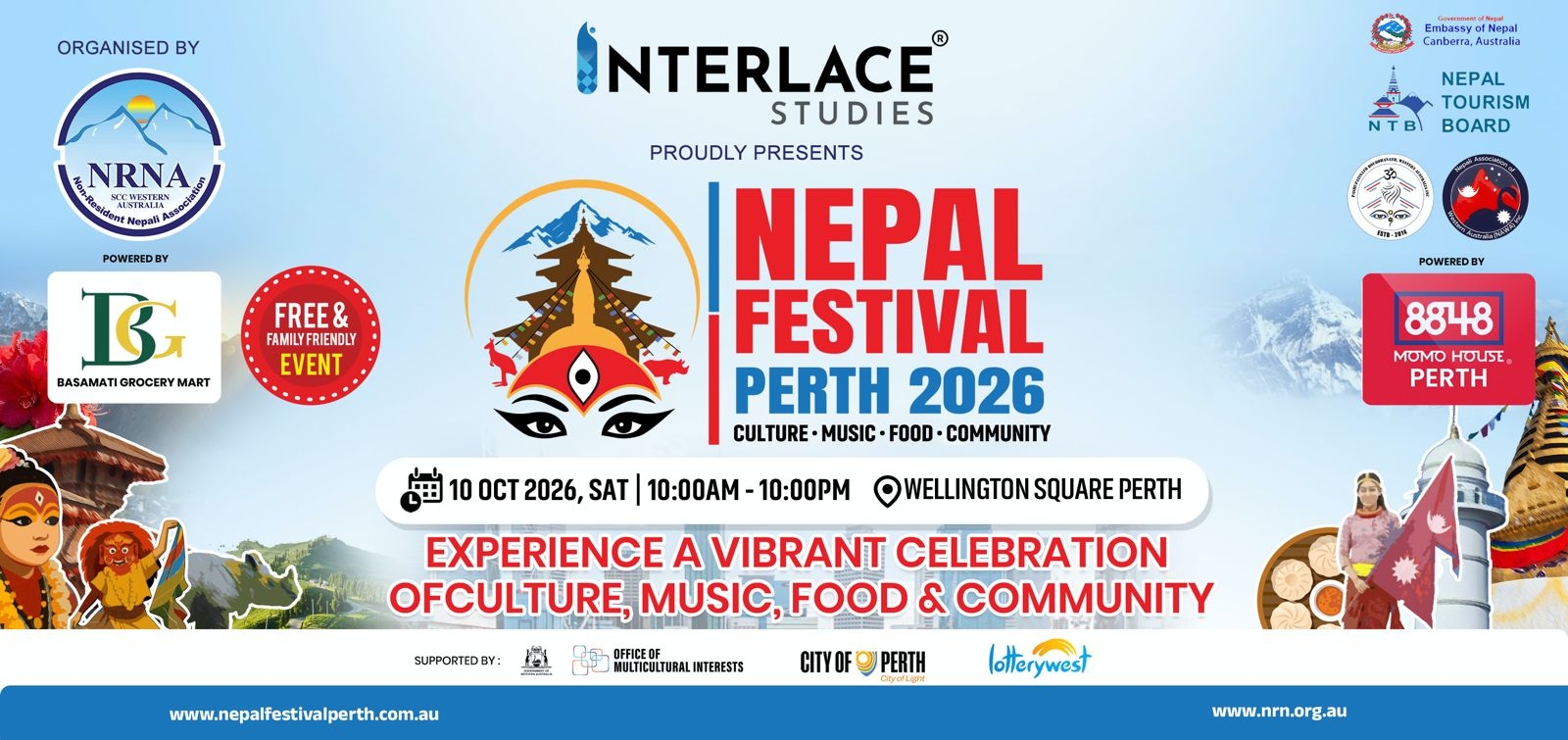 Nepal Festival Perth 2026 FestivalOct 10, 2026 10:00 AM · Perth / Western Australia · 227 views
 -
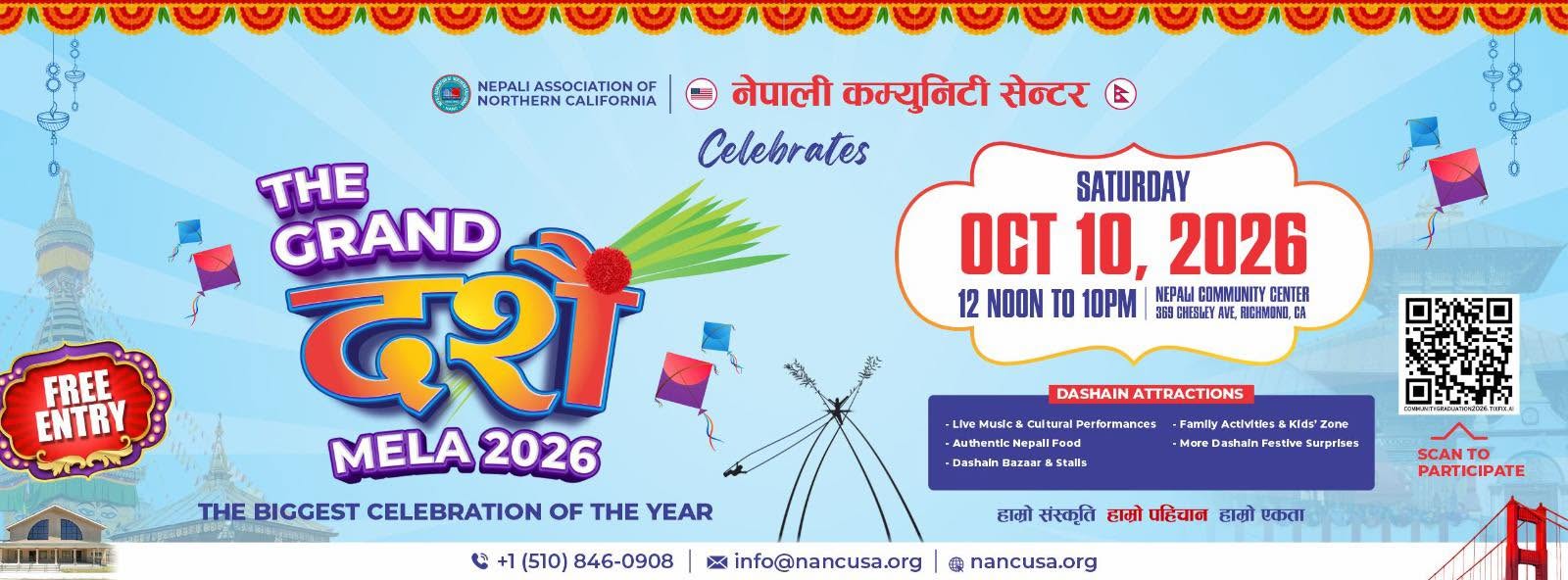 Grand Dashain Mela 2026 FestivalOct 10, 2026 11:00 AM · Bay Area / Northern California · 216 views
 -
 Oct 11, 2026 11:00 AM · DMV / Greater Washington · 229 views · Dashain
 -
 Dashain Festival Fulpati PartyOct 17, 2026 10:00 PM · Greater London · 190 views · Dashain
-
✓Vianet Communications OtherKathmandu · · 287 views
-
Aama Lama RestaurantMalden, MA · · 244 views
-
Ailaa Himalayan Bar & Grill RestaurantStoneham, MA · · 247 views
-
Ailaa Himalayan Bar & Grill RestaurantBedford, TX · · 222 views
-
Annapurna Curry & Sekuwa House RestaurantManchester, NH · · 226 views