Nepal: Forms and Origins of Discrimination
Nepal: Forms and Origins of Discrimination Krishna B, Bhattachan, PhD There are several historical markers of domination and discrimination against indigenous peoples and other minorities in Nepal. These are as follows: The main historical marker of Hindu domination begins with caste restructuring by King Jayasthiti Malla in the Kathmandu Valley in the fourteenth century. The King invited five Brahmin priests from India to Kathmandu. Based on their advice, the King restructured the Newars, the indigenous peoples of the Kathmandu Valley, into 64 castes based on occupational division of labor. These caste divisions were neither based on hierarchic Hindu varna model, that is, Brahmin at the top followed by Kshyatriya, Vaisya and Sudra at the bottom, nor on inscription. It indeed paved a way for intensification of the processes of Hinduization or Sanskritization of indigenous peoples of Nepal (Jijima 1963). The second historical marker of Hindu Bahun-Chhetri domination is the conspiratorial attack against the Magar King of Lig-Lig Kott by King Drabya Shah, who later won a war against the Khadka King of Gorkha in 1559A.D.. This was the beginning of the downfall of independence of indigenous peoples in Nepal. The third historical marker of continuing Hindu Bahun-Chhetri domination is the territorial “unification” of Nepal in 1769 by King Prithvinaryan Shah. Prior to 1769, indigenous peoples had their own rule in their respective traditional homelands. King Prithvinarayn Shah annexed small but independent kingdoms, “22 and 24 principalities,” of different indigenous peoples either through defeat in war or through mutual agreement of autonomy within the centralized State. After the defeat of Kirtipur in the Kathmandu Valley, King Prithvinaryan Shah ordered to chop off nose tips and ear of the peoples of Kirtipur that weighed 18 dharnis, i.e. about 40 kilos. Thus, one can imagine the extent of brutal physical violence and humiliation to minorities and indigenous peoples under the sword of Prithvinarayan Shah. The King accepted that Nepal is a country a garden of four Castes and thirty-six varna but his mission was to make Nepal a real India (“Asali Hindustan”). The main consequence of the territorial unification was that all indigenous peoples lost their independence and gradually lost their rights to land, water, forests, mines, rivers and pastures. Thus, indigenous peoples began to loose their language, religion, culture and indigenous knowledge system. The fourth historical marker is the Muluki Ain (National Code of Nepal) of 1854 implemented by Junga Bahadur Rana, the founder Prime Minister of 104-years of autocratic Rana rule. The National Code, the first ever codified law applicable in all parts of Nepal, restructured Caste and ethnic groups and divided them into fourfold social hierarchy. The Tagadhari (sacred thread wearing or twice- born) caste was at the top, followed by the Matawali (“alcohol drinking castes”). They were sub-divided into namasine (“unslavable”) and masine (“slavable’) groups. Although, indigenous peoples never belonged to Hindu social hierarchy but the Rana ruler legally included them in the second in the hierarchy as “alcohol drinking caste. Pani nachalne chhoee chhito halnu naparne (impure but touchable castes”) were third and pani nachalne chhoee chhito halnu paine (‘impure and untouchable castes”) belonged to the bottom of the social hierarchy. The whole National Code, including the punishments was based on caste discrimination. Thus during the 104-years of Rana rule, indigenous peoples of Nepal were Hinduized and Sanskritized. As its consequences, many indigenous peoples began to loose their language, religion and culture. The most devastating events in this period was confiscation of traditional Kipat land tenure and re-distribution of land to state elites, i.e. Bahun, Chhetri, Rana and Thakuri, through Birta and Jagir land tenures and exploitation of indigenous peoples and Dalits through forced free labour such as jahra, rakam, beth and begar(Regmi 1999). The Rana rulers prevented Tamangs, one of the indigenous peoples of Nepal, from joining British-India-Army and any government jobs in Nepal, except as Pipa (‘porter’) in Pipa Goswara office in Singha Durbar in Kathmandu. During the Partyless Panchayat rule from 1960-90 under the direct and active rule of King Mahendra and King Birendra, the rulers launched a campaign of One King, One Country; One Language, One Dress. The project of melting pot was intensified in a country characterized by salad bowl of caste, ethnicity, language, religion, culture and region. Any organized effort to preserve and promote indigenous peoples language, religion and culture was charged as “anti-King,”, “anti-constitution”, “anti-national,” and “communal.” Also, caste- based untouchability was abolished in the revised National Code of 1963 but due to lack of necessary laws, its practice continues unabated. The Peoples Movement of 1990, following the pro-democracy wave in the Soviet Union, eastern-European countries, and other parts of the world, jointly organized by the Nepali Congress Party and United Left Front, including Nepal Communist Party (Marxist-Leninist), demolished the autocratic party less Panchayat political system and restored democracy in Nepal. It raised a lot of hope and expectation to reduce socio-cultural and political inequalities. The hope remained unfulfilled. The Constitution of the Kingdom of Nepal, 1990 The Constitution of the Kingdom of Nepal promulgated in 1990 was modeled after the West-Minister style of parliamentary form of government, which is highly centralized and exclusionary. Indeed, winner takes all in such a system. Given socio-cultural diversity of the Nepalese society and culture, the Constitution discriminates and excludes minorities in many ways (see definition and identification of minorities in a separate section). The Consultative workshop organized by Nepal Federation of Nationalities (NEFEN) with support from Minority Rights Group International (MRG), has identified 26 provisions in the Constitution and 49 legal Acts that discriminates against indigenous peoples (NEFEN 1999). There are many such provisions that discriminate against other minorities. Also, caste-based untouchability has been made illegal but lack of laws has made it meaningless in practices (Bhattachan 2001; Dahal et al. 2002). There was a strong demand for secularism not only by the non-Hindus but also by the Hindu Dalits’ who have been forced to face caste-based untouchability by their “upper caste” Hindu counterparts. In spite of the fact that Nepal is a multi-religious country and a historical fact that about 150,000 people demonstrated in the streets of Kathmandu, which was the largest gathering ever in the history of Nepal, demanding for secularism, the Constitution of the Kingdom of Nepal, 1990 declared Nepal as a Hindu State, prohibited to form any political parties on the basis of religion. ‘The Article (4) of the Constitution stated, Nepal is a multi ethnic, multilingual, democratic, independent, indivisible, sovereign, Hindu and Constitutional Monarchical Kingdom. Another most discriminatory provision was the distinction between nations language and “national languages”. The Constitution declared Nepali language as the only official language. Many indigenous peoples of Nepal have a culture of eating beef (“cow meat”). The National Code of Nepal (Muluki Am) prohibits killing of cow and the offender gets life sentence. Instead of declaring national animal with full cultural sensitivity, Article 7 (2) of the Constitution declared cow, which is sacred for the Hindus only, as the national animal. Therefore, indigenous peoples were prohibited to slaughter cow and eat its meat. A study conducted by the Forum for Women, Law and Development (FWLD) in 2000 stated, ‘there are 118 Clauses/Section/Rules, two Rules in their entirety, and 67 Schedules/Annexes/Forms in 54 different laws including the Constitution which have discriminatory provisions’ (Pradhan-Malla et al. 2000:VI). The Constitution and laws discriminate women in every field including citizenship, property, education, employment, health, marriage & family, legal & court proceedings (Pradhan-Malla 2000:13). (Text Courtesy: Minorities and Indigenous Peoples of Nepal) 2009-02-18 07:53:35
JPEG · May 13, 2009 1:38 PM · 66,550 views
>We need to have a dalit to officiate at the Pashupathinath temple. JPEG bandhu, If I rephrase it in the following way, it might point to the answer I am thinking. We need to create a situation which produces more popular support and less resistance to the progressive reforms so that when “a dalit officiates at the Pashupathinath temple”, the change is irreversible. So, basically what I saying is that HOW TO MAKE IT HAPPEN is more important than WHAT TO MAKE HAPPEN. Now, to answer my own “HOW” question, I would say, political empowerment of Dalit is the first step. And, in many ways, my talk yesterday was about this issue. And I was basically arguing that the empowerment of the subalterns is more efficient, more smooth, more direct, more penetrating and more permanent, if done through ‘inclusion’ in the central points of power (central government, central leadership of political parties and so on) rather than through ‘isolation’ in regional created centers (ethnic federal states). As it stands, in Nepal, since 1990, “Party-patinaths” are more and actually powerful than the “Pashupatinath”. शक्ति त पशुपतिनाथ भन्दा पनि पार्टीपतिनाथहरुसंग पो निहित छ त So, in terms of both ‘revolution’ and ‘evolution’, replacing Pushpa Kamal Dahal with a Pushpa Kamal Dalit, Madhav Kumar Nepal with a Madho Kumar Nai, Girija Prasad Koirala with a Garima Koiri and so on in political parties’ leaderships should make stepping stones. I hope I am not confusing. JPEG, I would also like to take this opportunity to applaud you for bringing interesting/important information regarding our diverse ethnicities and specially for your celebratory notes. Great job. Nepe Partypatinath:
Nepe · May 25, 2009 6:09 PM
I don't mind having dalit to officiate all the hindu temples in Nepal especially Pashupathinath temple. Nepal was casteless society in the past. It was only when the later group who brought with them their vedic religion that ultimately influenced the local people and that's how caste system started to exist. God does not discriminate. It's the vedic teachings that discriminate.
JPEG · May 25, 2009 6:28 PM
Jpeg, No matter how caste system got introduced in the land of current Nepal (that includes Terai too, by the way), it is a wrong system. You further wrote: “Nepal was casteless society in the past. It was only when the later group who brought with them their vedic religion that ultimately influenced the local people and that's how caste system started to exist.” Well, I am not an anthropologist to comment authoritatively on this issue. However, from what I have read so far and what more speculation I can make based on my knowledge on the aspects of human evolution (as a trained biologist), I can certainly say that your statement seems to be based on किंबदन्ती and therefore is error-prone- in terms of strict academic rigor. You might want to read this piece by Surendra Singh on speculations about the past migration and evolution of Nepal’s caste system which has many non-Hindu pattern and elements. This paper’s major claim is that a part of current Chhetri-Bahuns and some hill Janajatis might have a common ancestry. SOME NOTES ON NEPALI CASTES AND SUB-CASTES- JAT AND THAR. Suresh Singh http://nepaldalitinfo.20m.com/... Opening para: This paper attempts to make a re-presentation of evolution and construction of Jat and Thar system among the Parbatya or hill people of Nepal. It seeks to expose the reality behind the myth that the large number of Aryans migrated from Indian plains due to Muslim invasion and conquered to become the rulers in Nepal, and the Mongoloids were the indigenous people. It also seeks to show the construction and reconstruction of identity of the different castes (Jats) and subcastes (Thars). Concluding para: In my opinion, the Parbatya people are the mixture of the Mongol, Khasa, Tibeto-Mongoloids, and the few Indian upper castes that merged among themselves and gave a language Nepal and culture although they are divided into Jats and Thars. Only DNA tests may prove or disprove this view. ___________________________________________ Nepe
Nepe · May 25, 2009 7:51 PM
No offense but valuing it, your account in this thread, Nepesir, reminds something of dinosaur age description of Nepal..a synopsis of an era ditto to the works of yesteryears’ greats such as D B Bista and H B Gurung. Their descriptions were hangover of jaat-bhat, a social-economic order based on then jaat hierarchy, less or nothing relevant to this day Nepal, euta jaat bhandaa mixed jaat nai badhi bhayeko Neplal, jalle mouka payo tyasaile sabai subidhaa liyeko Nepal! Today’s social order is measured in terms of productivity, which you know very well, and this too you know very well, this economic system in today’s world, including in your beloved Mao’s China, largely depends on mouka ..on access, but not by jaat bhaat! Access to; transportation, education, information, hospitals and anything but facility. Like mine, like yours. So, do you see from here, what kind of realities we have in Today’s Nepali? If you don’t, to tell you, there are only two jaats in Nepal in broader term- one has access to everything or most of it. They live in areas with transportation lead (road, airport, helipad), school and colleges, hospitals and probably with institutions, where they can learn computer or get passport… be it Kathmandu Valley, most of Kavre, district headquarters such as Dunai, or as plain and simple as Morang. The other one is remote of Jajarkot- least of everything across jaats you mentioned, because they don’t have access. To put you before more diligently, how the heck one Newar from Solukhumbu, earning less than 10000 a year as a porter, would be at ease with Biman Man Sing’s wealth or BC’s mon-fri job somewhere in US? BC’s nonsense talks here in this forum benefit across the jaats, whoever speaks Nepali, whoever is no superficial! One earning Damai from a Jajarkot village can afford Samata School’s fee for his children, but cant send them to that school. Why do you want to fuel this jaatbhaat aago, country is burning enough! If you want to take this issue further, take it with full empathy, with full responsibility..its good not to dilute others if one cant devote..again, no offense Last edited: 23-Jun-09 03:45 AM
kishnekale · Jun 23, 2009 3:34 AM
well, the actual caste heirarchy of hinduism doesnt include so called mongoloid nepalese or indegenous nationalities, they were incorporated later by muluki ain drafted at the time of janga bahadur. they r called nationalities becasue they have thier own language, religion, custom n traditional native lands, it also includes khas of karnali n surrounding areas. like of newars n grgs do hav hirerarchy within them which is direct influence of hinduism but thats thier own prob . so, in my opinion it is very wrong to judge n put them them all together in one jar as jaat paat. they r more a nationalities or distinct communities of nepal not mere a jaat paat. issues of kami damai not being able to touch water or getting beaten up trying to enter temple by so called higher caste is jaat paat to b resolved whihc r still happenin now n again.
yakthung_laje · Jun 23, 2009 9:54 AM
“Death toll in Jajarkot reaches 150 as tests reveal district gripped by cholera” http://www.nepalnews.com/main/... This is the reality- a reality clearly surpassing the sick side of social discrimination in the context of today’s Nepal. Disease prevailed across the jaats; not all ill fortuned could get the medicines. Medicines and Medicos were not available there. Geography hindered; not jaat bhaat. Lack of access is the problem; high-mountain topography is the problem. This does not mean there is no discrimination in areas where everything is accessible. We do have this issue of discrimination, but broadly economic. But, again, we do have Samata School there, not to mention hospitals and other health and help centers in the capital and along the corridors of the highways and to the reach of airways! People died in Jajarkot not because of their chronic illness. Mostly were healthy and happy in their last few days! They died because not they were Newars. They died not because they were Chetri. They died not because they belonged to one jaat. They died because they did not get medicines and attention. They died because they were in Jajarkot. They would not have died had they been in Nepalggunj! This contributor sees this case this way, and so you! Dont you? This is THE discrimination, not discussed often, if there was/is larger quest to tackle discrimination/social-discrimination least disturbing the geo-social existence of Nepal. This does not mean we do not have discrimination in places with access to medicines and opportunities. The discrimination is in other form- the economic disparity. But, we do have people good people, in their limited capacities though, taking it seriously, talking it sensibly and tackling it rationally. K B Gurung addresses both past and future. That Bhattarai Mantri, discussed upon here for his attire, gives an outlook of our society in humble way. K B Gurung should be the voice on and off the table, not K B Bhattachan. That Bhattarai’s outfit is our reality, not first choice. Having said it, how true are we! How true are we to the cause! How true are we to the cause of past and present! This contributor is struggling and is passing out time writing this in semi-drunk state. We have MK Nepal, a bahuun like this contributor, the reigning prime minister, who at once instance was heard of negotiating for his daughter’s admission with a foreign dignitary. We have Tamang, again in this forum, talking about onetime Indian Idol’s Nepalism- did he ever face the endless strike like the other Nepali nationals did or are going thru even now. And, in response to Jajarlkot’s fatality and sadness, we still don’t have donors and doctors. Like most of us, the Teaching Hospitals graduates are too dozing off. Do these teaching hospital doctors feel all those who died in Jajakot or their family had contributed in national revenues? This revenue paid these doctors’ tuition at Teaching Hospital! In sum, Nepesir, this day’s discrimination has many angles and shapes, trash that social stat and old age social scientists’ psyche if you want to contribute to this holy mission sagaciously.
kishnekale · Jul 25, 2009 4:28 AM
This conversation is preserved exactly as it was on the original Sajha.com and can't accept new replies.
Start a New DiscussionYou might be interested in...



-
Room Available for Rent USD 850.00Melrose, MA ·
-
One bed room available for rent USD 1,300.00Germantown, MD ·
-
Malden, MA, United States · Reposted Originally posted
-
Big Room with Parking Next to bus stop USD 1,100.00Everett, MA ·
-
Rooms Available for Rent USD 2,700.00Reston, VA ·
-
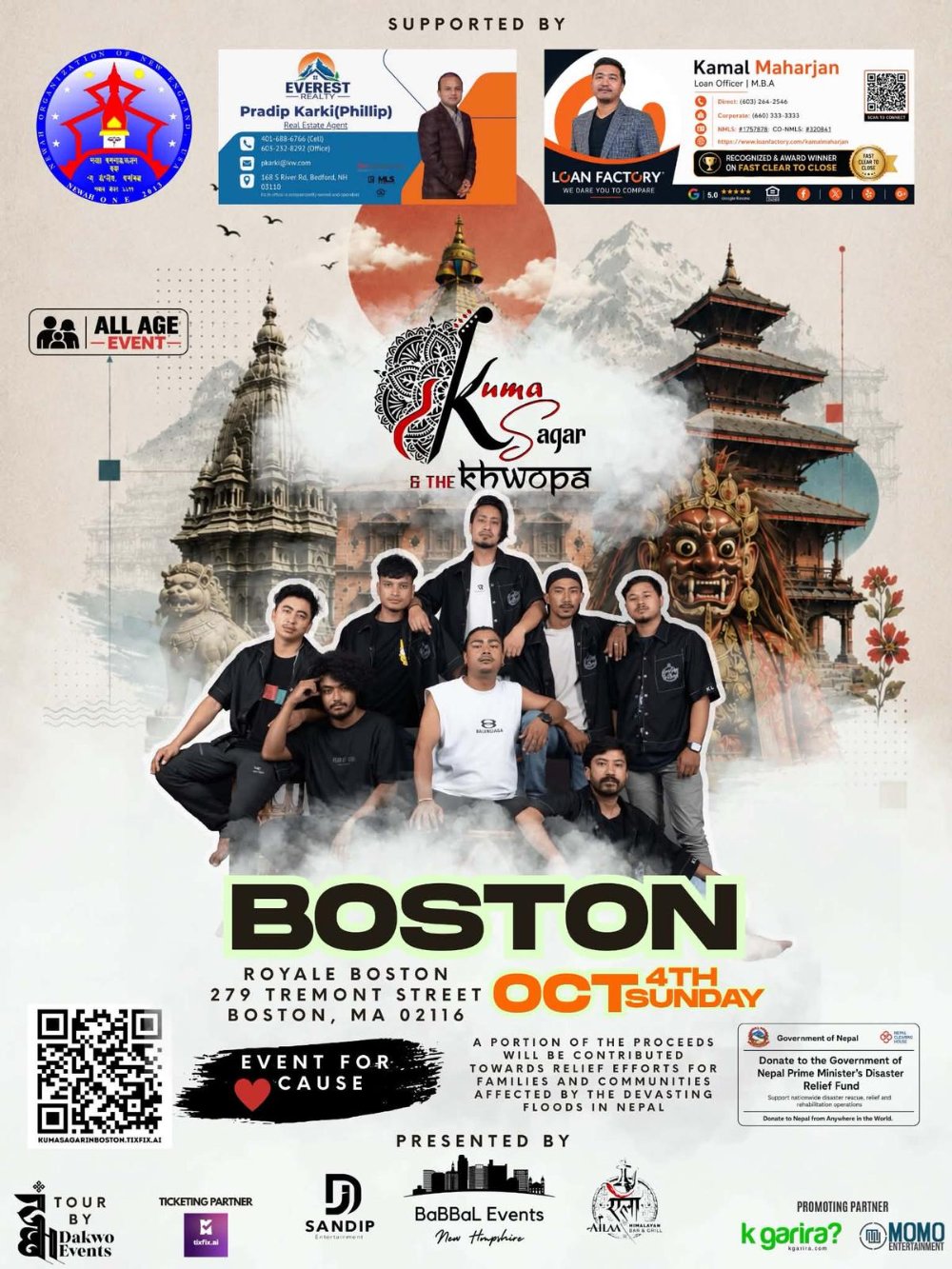 Oct 4, 2026 7:00 PM · Boston / New England · 506 views
 -
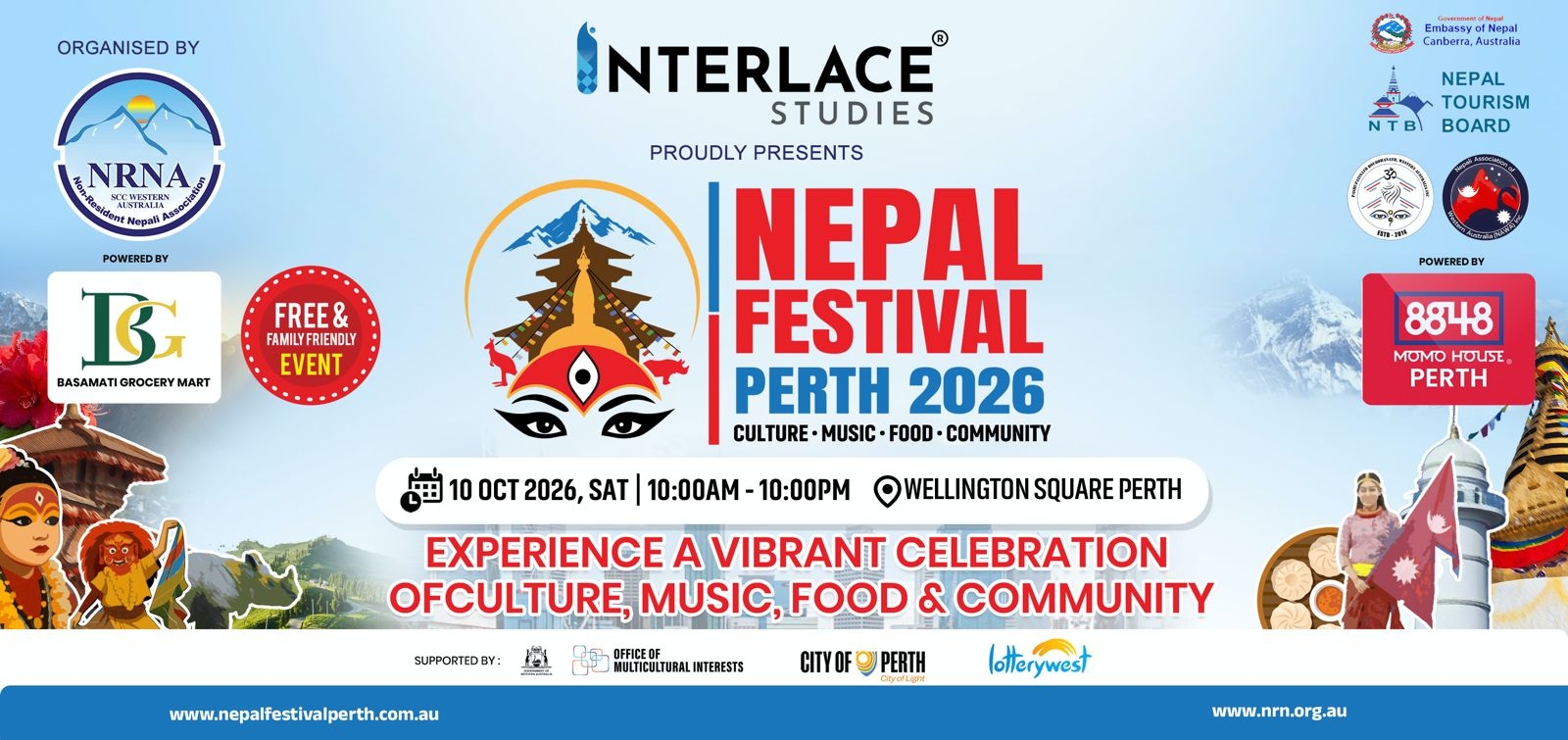 Nepal Festival Perth 2026 FestivalOct 10, 2026 10:00 AM · Perth / Western Australia · 220 views
 -
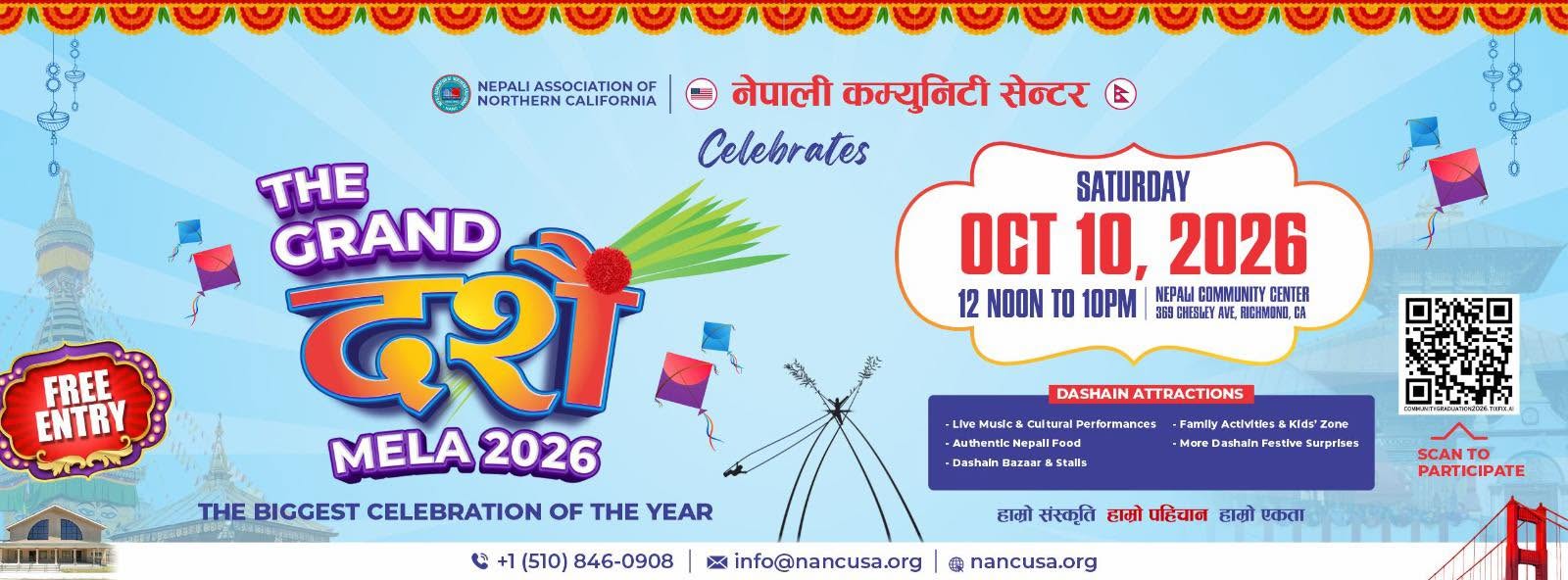 Grand Dashain Mela 2026 FestivalOct 10, 2026 11:00 AM · Bay Area / Northern California · 208 views
 -
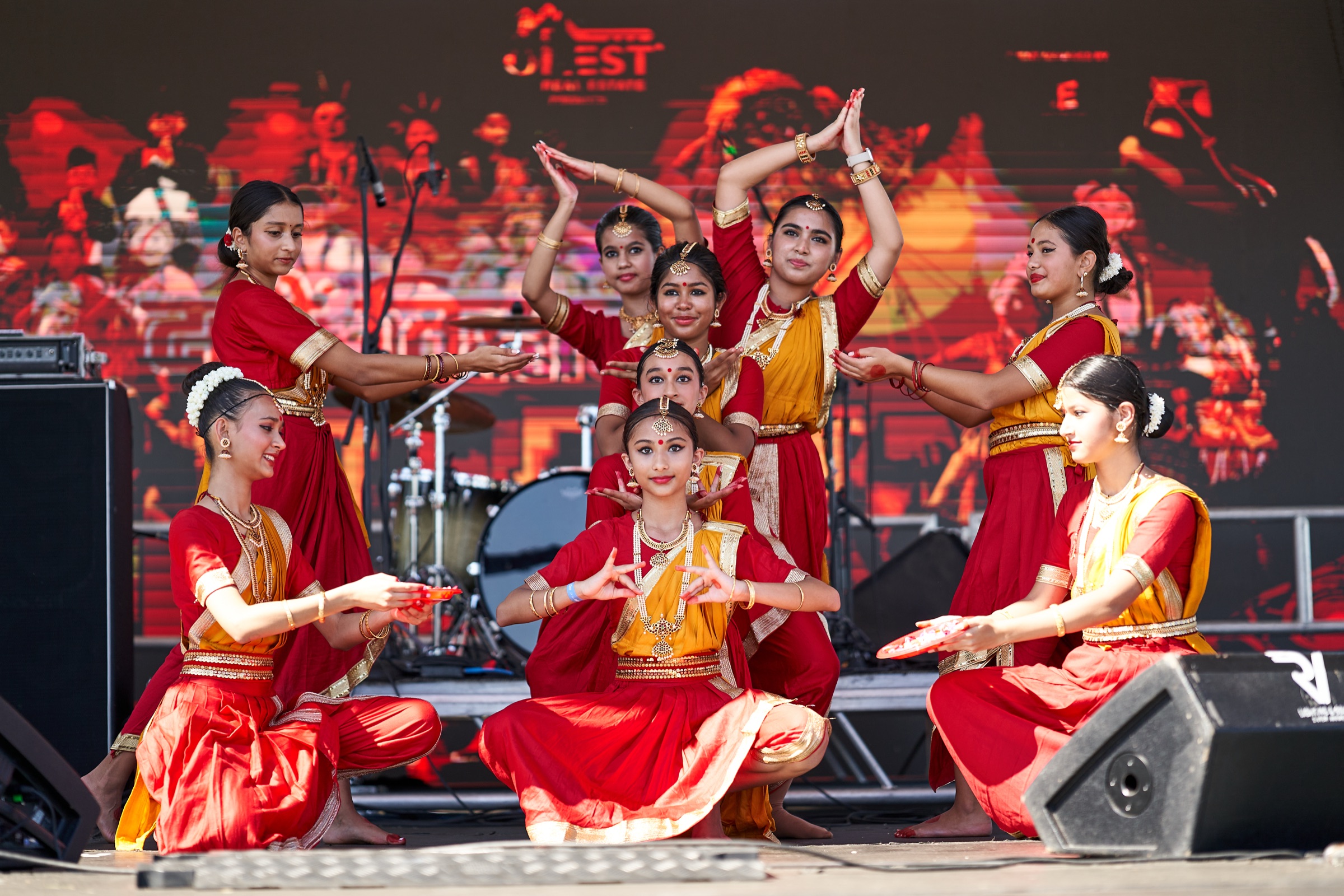 Oct 11, 2026 11:00 AM · DMV / Greater Washington · 221 views · Dashain
 -
 Dashain Festival Fulpati PartyOct 17, 2026 10:00 PM · Greater London · 182 views · Dashain
-
✓Vianet Communications OtherKathmandu · · 279 views
-
Aama Lama RestaurantMalden, MA · · 238 views
-
Ailaa Himalayan Bar & Grill RestaurantStoneham, MA · · 239 views
-
Ailaa Himalayan Bar & Grill RestaurantBedford, TX · · 214 views
-
Annapurna Curry & Sekuwa House RestaurantManchester, NH · · 218 views