COAS vs PM: Analogy of Resignation
Nepal seems to be a hotbed of political turmoil. No wonder we have so many political papers flourishing in the capital despite being such a small metropolitan. It would be interesting to try to dissect the analogy of the resignation that our supreme leader submitted today (yesterday). Some of the opinion (mind it, it is only my opinion) that I present: 1. Why did the PM resign? After the Coalition parties pulled out and leaders demanded resignation, the PM had no other option (other than dictatorship) but to resign. But there is more to the resignation than meets the eyes. What is the main cause behind all this turmoil in Nepal? Most probable answer: Maoists insistence on integrating the Maoists Gurillas with Nepal Army. This is why Maoist wanted Mr. Katuwal out. Mr. Katuwal not only defied this order, but went ahead with recruiting few more soldiers despite a strict objection by the ruling government. India: In Odds with Maoists. They want a quiet neighbor and Maoists are clearly leaning towards their North neighbor than India. Integration of the Maoist army would be making Maoists the super power and could go against India’s will. Remainder of the Political Parties in Nepal: Same issue. There will be an undesirable power shift if integration happens. This is what UML fears. Congress fears this, but also are equally influenced by Indian input. When Maoist went ahead with their decision, the parties seized the moment to withdraw from the coalition. Maoists: The PM couldn’t be so naïve about what was going around him. He knew if he goes on firing the COAS without consulting other parties, the other parties could raise a stinker and even pull out of the government. Was the PM looking for a clean exit? Since day one they have been criticized of each and every decision they made. From Pashupati Purohit Kanda to ordinances governing critical national level decisions. Did they want to change their seat and criticize the remaining parties instead, before reassuming their position? Clearly, Maoists haven’t been able to justify the 10 year old bloodshed they have brought (or were “forced” to bring). Was this a calculated step?? More than likely. Who is at fault then? This is a political game than anything. Maoists’ insistence on blindly integrating the “peoples army” into Nepal army is wrong. However, Nepal army’s defiance of the ruling government’s order on not integrating them but enrolling new recruits is also unconstitutional. This pull of power is evoked by the greed to be in the controlling seat and each and every party is at fault, at our expense. Who suffers? Us, the people.
Avi · May 4, 2009 1:54 PM · 16,079 views
I concur with the above opinion, couldn't have summurized better myself... Next step: UML forms Govt with support from other parties , maoist in Oppositions.. same issues continue...
sambhu · May 4, 2009 2:03 PM
1. Why did the PM resign? Prachanda is one of the cleverest player of Nepalese Politics. He hits the target when most suitable comes around no matter where he needs to bow. Based on his nine months tenure, he (and whole maoists) realized that they did nothing other than further deterioting the situation. They were looking for this unstable situation to leave the job so that they could get a great slogan "नागरिक सर्बोच्चता कायम गरी सु-शासन कायम गर्न देशी बिदेशी प्रतिकृयाबादी हरुले अबरोध श्रीजना गरेको " forever. Now Prachanda and company will be more violent because they are "hurt tiger" after getting some fleshes after knowing the government taste. 2. What is the main cause behind all this turmoil in Nepal? I say "Maoist Army". Prachanda and central secreteriate members know thatunless they give the "highly anticipated" posts for their PLA of cantonment, that can be the reason for their ultimate loss.
Stat · May 4, 2009 2:27 PM
राजिनामाको प्रमुख जड माओवादी भित्रको आन्तरिक कलह हो। पार्टीको पूर्ण समर्थन भएको अवस्थामा यो निर्णय आवश्यक थिएन। सेना विषयमा जल्दवाजि गर्नु पनि पार्टीको अन्तरकलहलाई मत्थर पार्नु मात्र थियो। त्यो सफल नभएपछि पार्टीलाई सम्हाल्न यो कदम चालिएको हो। बाँकी अरुहरुको खेल त सधै हुन्छ नै। यो चै मेरो दुई पैसे विश्लेषण।
HomLal · May 4, 2009 3:19 PM
In lieu of the recent newsflash involving "Prachanda Tape" all the accusations held in this post still applies. The root cause remains the same (Maoist insistence on integration). However, I think in all of these it is now hard to find COAS at fault.
Avi · May 5, 2009 1:41 PM
This conversation is preserved exactly as it was on the original Sajha.com and can't accept new replies.
Start a New DiscussionYou might be interested in...





-
Room Available for Rent USD 850.00Melrose, MA ·
-
One bed room available for rent USD 1,300.00Germantown, MD ·
-
Malden, MA, United States · Reposted Originally posted
-
Big Room with Parking Next to bus stop USD 1,100.00Everett, MA ·
-
Rooms Available for Rent USD 2,700.00Reston, VA ·
-
 Oct 4, 2026 7:00 PM · Boston / New England · 515 views
 -
 Nepal Festival Perth 2026 FestivalOct 10, 2026 10:00 AM · Perth / Western Australia · 225 views
 -
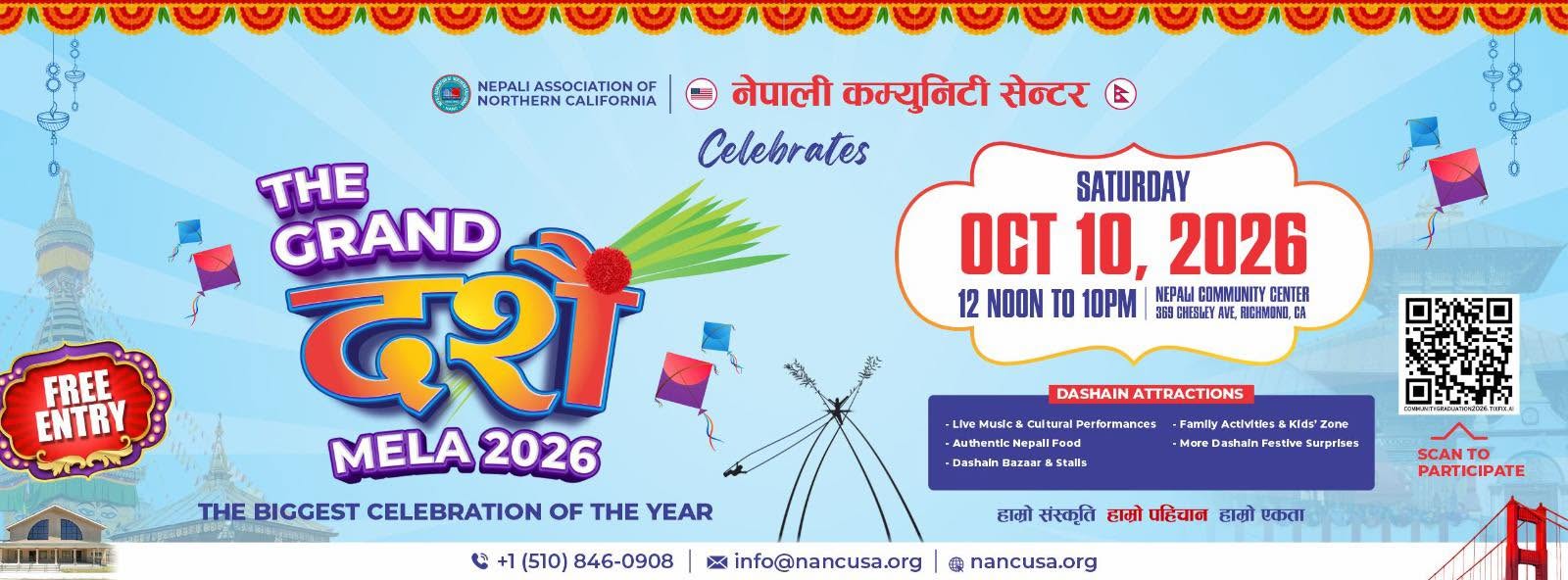 Grand Dashain Mela 2026 FestivalOct 10, 2026 11:00 AM · Bay Area / Northern California · 214 views
 -
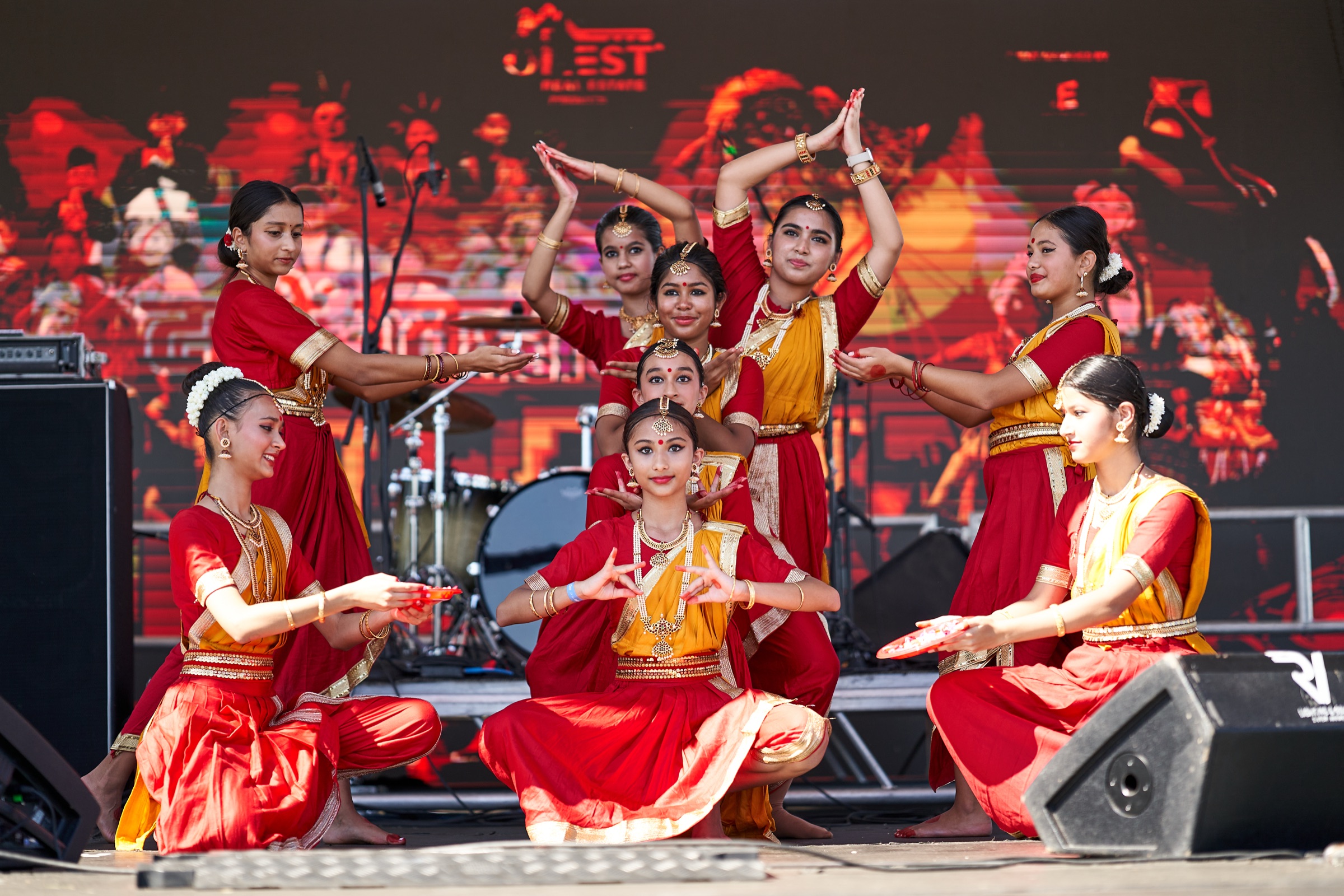 Oct 11, 2026 11:00 AM · DMV / Greater Washington · 227 views · Dashain
 -
 Dashain Festival Fulpati PartyOct 17, 2026 10:00 PM · Greater London · 188 views · Dashain
-
✓Vianet Communications OtherKathmandu · · 285 views
-
Aama Lama RestaurantMalden, MA · · 243 views
-
Ailaa Himalayan Bar & Grill RestaurantStoneham, MA · · 246 views
-
Ailaa Himalayan Bar & Grill RestaurantBedford, TX · · 221 views
-
Annapurna Curry & Sekuwa House RestaurantManchester, NH · · 224 views