True_Beauty_of_Nepal_JPG
Last edited: 11-Jun-09 09:12 AM
JPEG · Apr 18, 2009 9:46 AM · 531,131 views
Some Nepali beauties click by JPG
JPEG · Jun 22, 2009 8:54 AM
Hey JPEG, Thanks for bringing in such a descent/informative thread. Your endeavor to shed light on Nepalese caste and cultures, and its various dynamics is indeed appreciable. I believe lots of Sajha readers have gained/broadened their knowledge on Nepalese social settings and cultural diversity going through this thread (the way I did) and I hope, you'll keep coming up with more postings on yet uncovered ones. Debonair
debonair · Jun 22, 2009 11:00 AM
"A Black Rose among the Red Roses"~ JPEG
JPEG · Jun 22, 2009 11:53 AM
Nature's at its best. Nepali Beauties caught busking in the sun with scenic Himalayas range at the background.
JPEG · Jun 22, 2009 12:30 PM
My bad JPEG. I had a typo in my last comment. It should be "decent", not 'descent' :).
Debonair · Jun 22, 2009 2:23 PM
Saree beauties of Nepal_in_Sari. Origins and history: The word 'sari' evolved from the Prakrit word 'sattika' as mentioned in earliest Jain Buddhist literature. Ancient Tamil poetry, such as the Silappadhikaram and the Kadambari by Banabhatta, describes women in exquisite drapery or saree.In ancient Indian tradition and the Natya Shastra (an ancient Indian treatise describing ancient dance and costumes), the navel of the Supreme Being is considered to be the source of life and creativity, hence the midriff is to be left bare by the saree. Some costume historians believe that the men's dhoti, which is the oldest Indian draped garment, is the forerunner of the sari. They say that until the 14th century, the dhoti was worn by both men and women. Sculptures from the Gandhara, Mathura and Gupta schools (1st-6th century AD) show goddesses and dancers wearing what appears to be a dhoti wrap, in the "fishtail" version which covers the legs loosely and then flows into a long, decorative drape in front of the legs. No bodices are shown. Other sources say that everyday costume consisted of a dhoti or lungi (sarong), combined with a breast band and a veil or wrap that could be used to cover the upper body or head. The two-piece Kerala mundum neryathum (mundu, a dhoti or sarong, neryath, a shawl, in Malayalam) is a survival of ancient Indian clothing styles, the one-piece sari is a modern innovation, created by combining the two pieces of the mundum neryathum. It is generally accepted that wrapped sari-like garments, shawls, and veils have been worn by Indian women for a long time, and that they have been worn in their current form for hundreds of years. One point of particular controversy is the history of the choli, or sari blouse, and the petticoat. Some researchers state that these were unknown before the British arrived in India, and that they were introduced to satisfy Victorian ideas of modesty. Previously, women only wore one draped cloth and casually exposed the upper body and breasts. Other historians point to much textual and artistic evidence for various forms of breastband and upper-body shawl. In South India, it is indeed documented that women from many communities wore only the sari and exposed the upper part of the body till the 20th century.Poetic references from works like Shilappadikaram indicate that during the sangam period in ancient South India, a single piece of clothing served as both lower garment and head covering, leaving the bosom and midriff completely uncovered. In Kerala there are many references to women being bare-breasted,including many pictures by Raja Ravi Varma. Even today, women in some rural areas do not wear cholis.
JPEG · Jun 22, 2009 5:01 PM
"Black Beauty" or Black Sari
JPEG · Jun 22, 2009 5:28 PM
Not forgetting the Night-Time Sajhaites. More Nepali Sari beauties.
JPEG · Jun 22, 2009 8:43 PM
Another sari beauty.
JPEG · Jun 23, 2009 2:21 PM
One more.
JPEG · Jun 23, 2009 3:04 PM
Traditional beauty brewing traditional Raksi(rice-wine) Home distillation is an ancient practice in Nepal, still managing to hold its own against modern distilleries. The finest alcohol is homemade stuff commonly known as Raksi. Raksi is potent, exhilarating and smooth as velvet. To test for good raksi, toss a small amount on a fire and see if it burns. Women of a household pride themselves on their liquor, and will put the most effort and time into making raksi for a big celebration like a wedding. Different grains produce different flavors: rice raksi is rich and smooth, kodo (millet) is stronger and more fiery. Less potent is home-brewed beer, jaar (Nepali) or chang (Tibetan), a whitish, thin drink made from rice or millet with a refreshing sweet-sour taste. A variation served in mountain regions is tongba, fermented mash which is placed in a wooden container and mixed with hot water. You drink from a bamboo straw, sipping the liquid and avoiding the bits of millet; the hot water is refilled several times, and nursing a flask of tongba is a nice sport for a cold evening. There has been no historical reference of any kind whether the traditional art of brewing Rakshi came down from other Asian countries or did the same art of brewing was influenced by the Kirantis for such drink is similar to Korean Cheongju, Sake, a traditional Japanese rice wine, Lao-Lao from Laos, Sato of Thailand, and Choujiu an ancient variety of Chinese wine. But in the epic of the Mahabharata, the Cinas(Chinese) appear together with the Kiratas among the armies of king Bhagadatta of Pragjyotisa (Assam) taking side of Kauravas. In the Sabhaparvan, the same king is said to be surrounded the Kiratas, and the Cinas. Also in the Bhismaparvan, the army of Bhagadatta is said to consist of the Kiratas and the"yellow-colored" Cinas. Points to be taken: According to Bista, Distilled spirits (alcohol) called aaraakha, ngashi, or waasim are central to Kirat culture while consumption of alcohol is strictly fordidden in tajadhari group. This is one true beauty of Nepal that needs to be preserved cause this is an old traditional heritage that has been past down from generations. It would be even more beautiful when Raksi finds the selves among Sake and Cheongju for international market. Work reference: People of Nepal 2004, by Dor Bahadur Bista.
JPEG · Jun 23, 2009 6:29 PM
Limbu ni beauties at Chyabrung dhol naach The word Limbu means an archer, or bearer of bow and arrows. Their ancestral and original stronghold known as Pallo Kirat or Limbuwan spans from Arun River in Nepal to the Kingdom of Sikkim in the east. In Nepal, Limbus live and work in the districts of Sankhuwasabha, Tehrathum, Dhankuta, Taplejung, Panchthar and Ilam. Their scripture is called Mundhum. Fedangba, Shamba and Yeba-Yema are their sacred specialists. Limbus have their own script called Sirijunga. There are many books written in the Limbu language. Their faith is enshrined in the evergreen Cynodondactylon (dubo) grass and rocks. They cremate their dead. They celebrate the dance festivals of Kelangma popularly known as Chyabrung dhol naach (two-sided drum) and Yalakma (rice harvest dance) as major events. Chyabrung or Ke, a long cylindrical hollow, two-sided drum, is the most popular musical instrument of the Limbu Community. Hence the folks from Limbu community also called this dance "chyabrung naach". The dancers hang the Chyabrungs around their neck and beat the drum with palm on one side and with a stick on the other side. In this manner, the Limbu dancers execute delicate and complicated foot works to the beats of the Chyabrung. It is a song less dance and is based on rhythmic music. In this age-old folk dance, the Limbu dancers depict graceful movements of wild animals and birds. Limbus, in general, marry within their own community and also with Rais. Boys are at liberty to choose a girl and girls are equally free to decide whether to spend life with the boy in question or not (Jones and Jones, 1976). Cross-cousin marriage is not allowed in Limbu culture. Marriage between a man and the widow of his elder brother can take place if they mutually agree. Marriage between a man and a woman outside family relations and having different thars (clans) is also possible either by arrangement or by mutual consent of the boy and the girl in question. In Limbu's wedding, asking for a girl's hand is the most important ceremony. In this system, the girl can ask for anything and an unlimited amount of gold, silver, etc. This confirms to the girl's family that the boy is financially secure enough to keep their daughter happy. Few days after the wedding, the boy's family members have to visit the girl's house with a piglet and some alcoholic and non-alcoholic drinks depending upon the financial standard of his house. The key ceremonies of a Limbu wedding take place in the groom's house rather than that of the bride's because girl has to stay with her husband. There are two special dances in this ceremony, one is called "yalakma" or dhan nach in Nepali(rice harvest dance) and "Kelangma" or Chyabrung in Nepali. Yalakma is characterized by men and women dancing in a slow circle, whereas Kelangam consist of complex footwork that goes with the beat of the drums. Anyone can join the dance and they can go for long hours. Yalakma also celebrates the harvest season in addition to being a feature of social occasions including weddings.Points to be taken: Though Limbus aren't Hindu, they are recognized in Hindu Society. Nepal's pre-eminent sociologist, Professor Dor Bahadur Bista, asserted that, of all the proverbial thirty-six caste and ethnic groups of Nepal, the Hindu caste system made the least impact on the Limbu. In part, this reflected not only their geographical distance from the seat of power in the capital city of Kathmandu but also their cultural independence.
JPEG · Jun 23, 2009 9:28 PM
Why were people flagging the posts by JPEG? (stumbled upon this myself as it showed up under recommended links in the sajha sidebar)
footyfan · Oct 31, 2011 1:24 PM
This conversation is preserved exactly as it was on the original Sajha.com and can't accept new replies.
Start a New DiscussionYou might be interested in...



-
Room Available for Rent USD 850.00Melrose, MA ·
-
One bed room available for rent USD 1,300.00Germantown, MD ·
-
Malden, MA, United States · Reposted Originally posted
-
Big Room with Parking Next to bus stop USD 1,100.00Everett, MA ·
-
Rooms Available for Rent USD 2,700.00Reston, VA ·
-
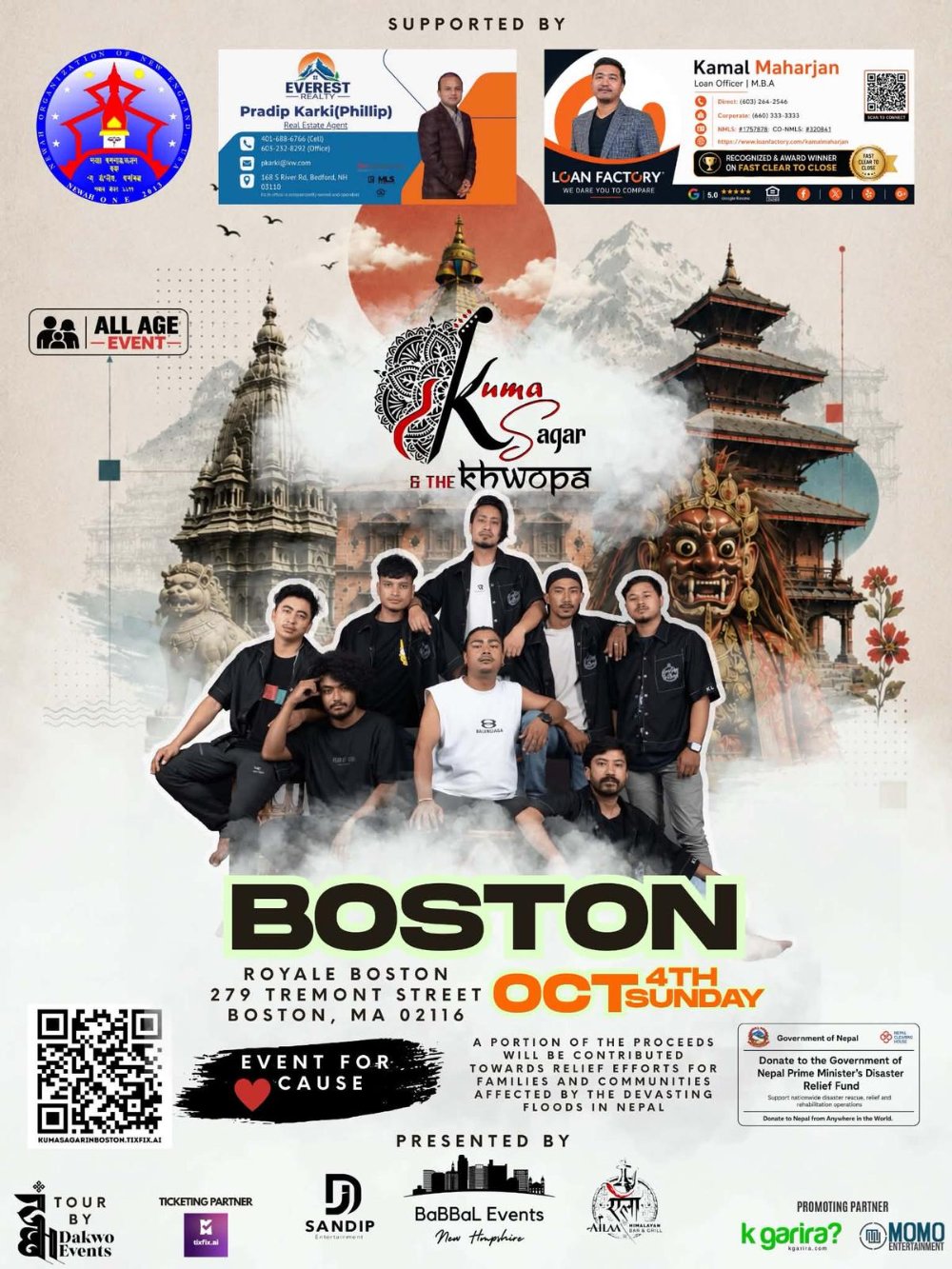 Oct 4, 2026 7:00 PM · Boston / New England · 511 views
 -
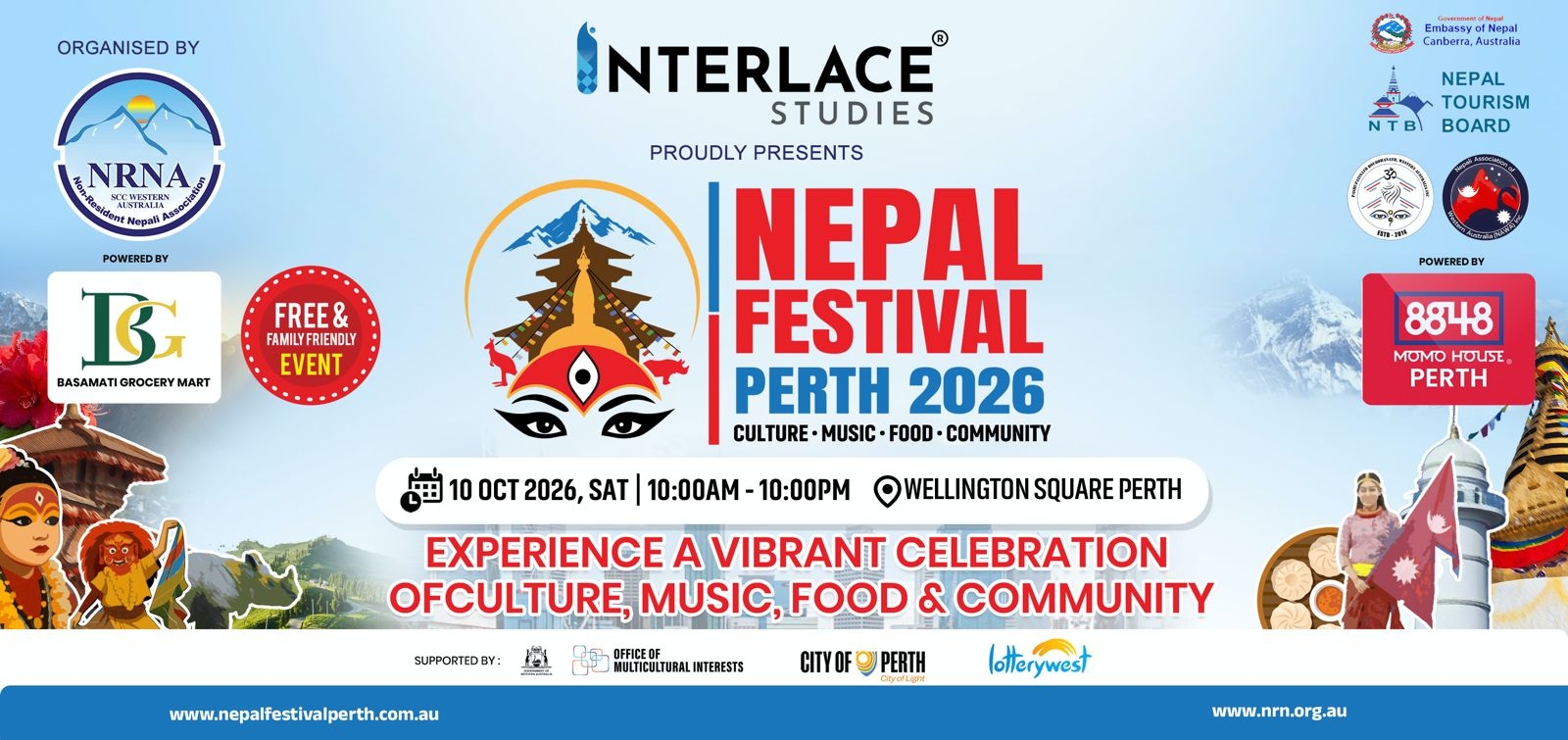 Nepal Festival Perth 2026 FestivalOct 10, 2026 10:00 AM · Perth / Western Australia · 225 views
 -
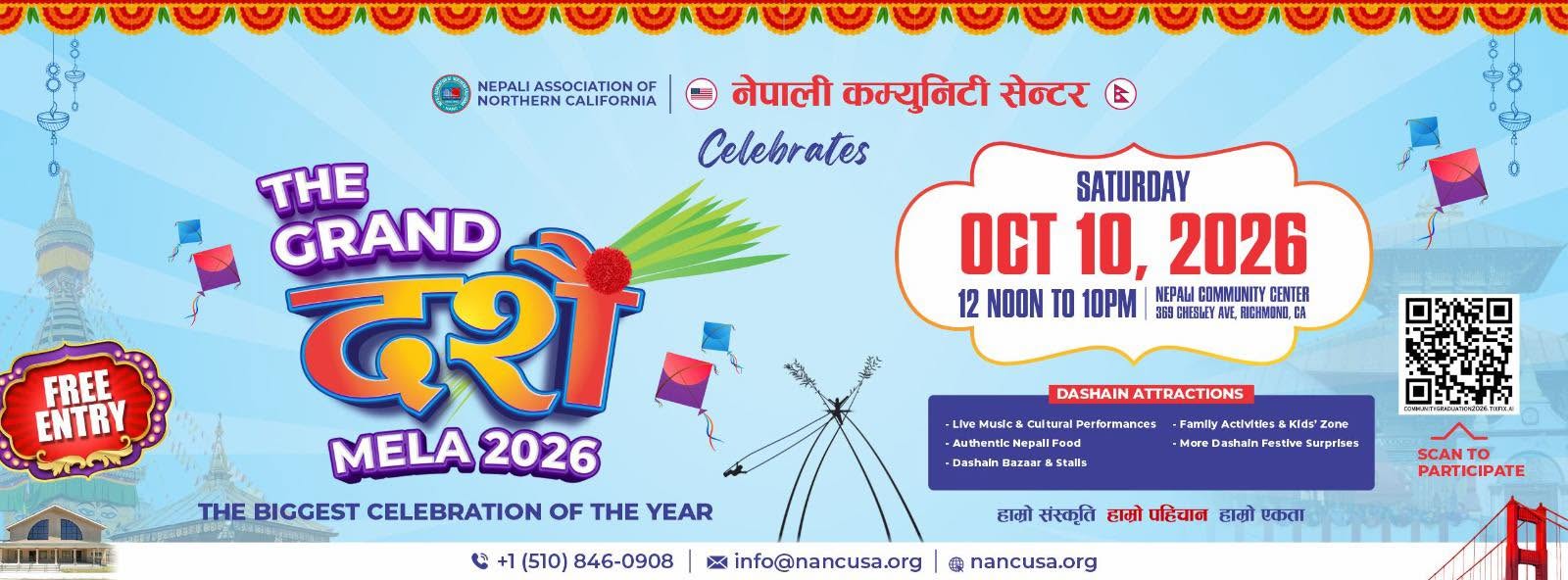 Grand Dashain Mela 2026 FestivalOct 10, 2026 11:00 AM · Bay Area / Northern California · 213 views
 -
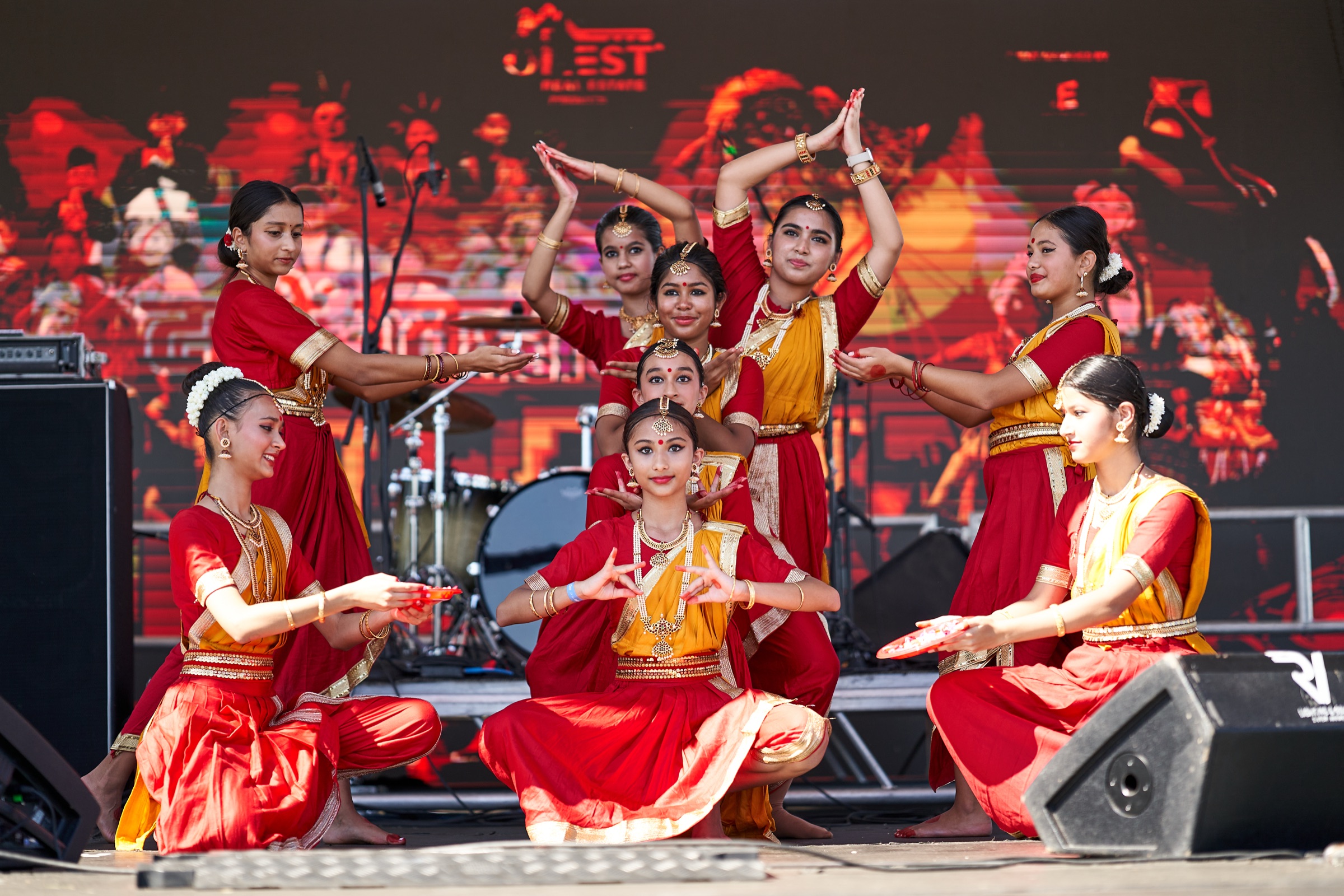 Oct 11, 2026 11:00 AM · DMV / Greater Washington · 227 views · Dashain
 -
 Dashain Festival Fulpati PartyOct 17, 2026 10:00 PM · Greater London · 188 views · Dashain
-
✓Vianet Communications OtherKathmandu · · 285 views
-
Aama Lama RestaurantMalden, MA · · 243 views
-
Ailaa Himalayan Bar & Grill RestaurantStoneham, MA · · 244 views
-
Ailaa Himalayan Bar & Grill RestaurantBedford, TX · · 219 views
-
Annapurna Curry & Sekuwa House RestaurantManchester, NH · · 223 views