Anyone wanna go to Dubai free?
The dark side of Dubai Dubai was meant to be a Middle-Eastern Shangri-La, a glittering monument to Arab enterprise and western capitalism. But as hard times arrive in the city state that rose from the desert sands, an uglier story is emerging. http://www.independent.co.uk/o... Construction workers in their distinctive blue overalls building the upper floors a new Dubai tower, with the distinctive Burj al-Arab hotel in the background The wide, smiling face of Sheikh Mohammed – the absolute ruler of Dubai – beams down on his creation. His image is displayed on every other building, sandwiched between the more familiar corporate rictuses of Ronald McDonald and Colonel Sanders. This man has sold Dubai to the world as the city of One Thousand and One Arabian Lights, a Shangri-La in the Middle East insulated from the dust-storms blasting across the region. He dominates the Manhattan-manqué skyline, beaming out from row after row of glass pyramids and hotels smelted into the shape of piles of golden coins. And there he stands on the tallest building in the world – a skinny spike, jabbing farther into the sky than any other human construction in history.But something has flickered in Sheikh Mohammed's smile. The ubiquitous cranes have paused on the skyline, as if stuck in time. There are countless buildings half-finished, seemingly abandoned. In the swankiest new constructions – like the vast Atlantis hotel, a giant pink castle built in 1,000 days for $1.5bn on its own artificial island – where rainwater is leaking from the ceilings and the tiles are falling off the roof. This Neverland was built on the Never-Never – and now the cracks are beginning to show. Suddenly it looks less like Manhattan in the sun than Iceland in the desert. Once the manic burst of building has stopped and the whirlwind has slowed, the secrets of Dubai are slowly seeping out. This is a city built from nothing in just a few wild decades on credit and ecocide, suppression and slavery. Dubai is a living metal metaphor for the neo-liberal globalised world that may be crashing – at last – into history. I. An Adult Disneyland Karen Andrews can't speak. Every time she starts to tell her story, she puts her head down and crumples. She is slim and angular and has the faded radiance of the once-rich, even though her clothes are as creased as her forehead. I find her in the car park of one of Dubai's finest international hotels, where she is living, in her Range Rover. She has been sleeping here for months, thanks to the kindness of the Bangladeshi car park attendants who don't have the heart to move her on. This is not where she thought her Dubai dream would end. Her story comes out in stutters, over four hours. At times, her old voice – witty and warm – breaks through. Karen came here from Canada when her husband was offered a job in the senior division of a famous multinational. "When he said Dubai, I said – if you want me to wear black and quit booze, baby, you've got the wrong girl. But he asked me to give it a chance. And I loved him." All her worries melted when she touched down in Dubai in 2005. "It was an adult Disneyland, where Sheikh Mohammed is the mouse," she says. "Life was fantastic. You had these amazing big apartments, you had a whole army of your own staff, you pay no taxes at all. It seemed like everyone was a CEO. We were partying the whole time." Her husband, Daniel, bought two properties. "We were drunk on Dubai," she says. But for the first time in his life, he was beginning to mismanage their finances. "We're not talking huge sums, but he was getting confused. It was so unlike Daniel, I was surprised. We got into a little bit of debt." After a year, she found out why: Daniel was diagnosed with a brain tumour. One doctor told him he had a year to live; another said it was benign and he'd be okay. But the debts were growing. "Before I came here, I didn't know anything about Dubai law. I assumed if all these big companies come here, it must be pretty like Canada's or any other liberal democracy's," she says. Nobody told her there is no concept of bankruptcy. If you get into debt and you can't pay, you go to prison. "When we realised that, I sat Daniel down and told him: listen, we need to get out of here. He knew he was guaranteed a pay-off when he resigned, so we said – right, let's take the pay-off, clear the debt, and go." So Daniel resigned – but he was given a lower pay-off than his contract suggested. The debt remained. As soon as you quit your job in Dubai, your employer has to inform your bank. If you have any outstanding debts that aren't covered by your savings, then all your accounts are frozen, and you are forbidden to leave the country. "Suddenly our cards stopped working. We had nothing. We were thrown out of our apartment." Karen can't speak about what happened next for a long time; she is shaking. Daniel was arrested and taken away on the day of their eviction. It was six days before she could talk to him. "He told me he was put in a cell with another debtor, a Sri Lankan guy who was only 27, who said he couldn't face the shame to his family. Daniel woke up and the boy had swallowed razor-blades. He banged for help, but nobody came, and the boy died in front of him." Karen managed to beg from her friends for a few weeks, "but it was so humiliating. I've never lived like this. I worked in the fashion industry. I had my own shops. I've never..." She peters out. Daniel was sentenced to six months' imprisonment at a trial he couldn't understand. It was in Arabic, and there was no translation. "Now I'm here illegally, too," Karen says I've got no money, nothing. I have to last nine months until he's out, somehow." Looking away, almost paralysed with embarrassment, she asks if I could buy her a meal. She is not alone. All over the city, there are maxed-out expats sleeping secretly in the sand-dunes or the airport or in their cars. "The thing you have to understand about Dubai is – nothing is what it seems," Karen says at last. "Nothing. This isn't a city, it's a con-job. They lure you in telling you it's one thing – a modern kind of place – but beneath the surface it's a medieval dictatorship." II. Tumbleweed Thirty years ago, almost all of contemporary Dubai was desert, inhabited only by cactuses and tumbleweed and scorpions. But downtown there are traces of the town that once was, buried amidst the metal and glass. In the dusty fort of the Dubai Museum, a sanitised version of this story is told. In the mid-18th century, a small village was built here, in the lower Persian Gulf, where people would dive for pearls off the coast. It soon began to accumulate a cosmopolitan population washing up from Persia, the Indian subcontinent, and other Arab countries, all hoping to make their fortune. They named it after a local locust, the daba, who consumed everything before it. The town was soon seized by the gunships of the British Empire, who held it by the throat as late as 1971. As they scuttled away, Dubai decided to ally with the six surrounding states and make up the United Arab Emirates (UAE). The British quit, exhausted, just as oil was being discovered, and the sheikhs who suddenly found themselves in charge faced a remarkable dilemma. They were largely illiterate nomads who spent their lives driving camels through the desert – yet now they had a vast pot of gold. What should they do with it? Dubai only had a dribble of oil compared to neighbouring Abu Dhabi – so Sheikh Maktoum decided to use the revenues to build something that would last. Israel used to boast it made the desert bloom; Sheikh Maktoum resolved to make the desert boom. He would build a city to be a centre of tourism and financial services, sucking up cash and talent from across the globe. He invited the world to come tax-free – and they came in their millions, swamping the local population, who now make up just 5 per cent of Dubai. A city seemed to fall from the sky in just three decades, whole and complete and swelling. They fast-forwarded from the 18th century to the 21st in a single generation. If you take the Big Bus Tour of Dubai – the passport to a pre-processed experience of every major city on earth – you are fed the propaganda-vision of how this happened. "Dubai's motto is 'Open doors, open minds'," the tour guide tells you in clipped tones, before depositing you at the souks to buy camel tea-cosies. "Here you are free. To purchase fabrics," he adds. As you pass each new monumental building, he tells you: "The World Trade Centre was built by His Highness..." But this is a lie. The sheikh did not build this city. It was built by slaves. They are building it now. III. Hidden in plain view There are three different Dubais, all swirling around each other. There are the expats, like Karen; there are the Emiratis, headed by Sheikh Mohammed; and then there is the foreign underclass who built the city, and are trapped here. They are hidden in plain view. You see them everywhere, in dirt-caked blue uniforms, being shouted at by their superiors, like a chain gang – but you are trained not to look. It is like a mantra: the Sheikh built the city. The Sheikh built the city. Workers? What workers? Every evening, the hundreds of thousands of young men who build Dubai are bussed from their sites to a vast concrete wasteland an hour out of town, where they are quarantined away. Until a few years ago they were shuttled back and forth on cattle trucks, but the expats complained this was unsightly, so now they are shunted on small metal buses that function like greenhouses in the desert heat. They sweat like sponges being slowly wrung out. Sonapur is a rubble-strewn patchwork of miles and miles of identical concrete buildings. Some 300,000 men live piled up here, in a place whose name in Hindi means "City of Gold". In the first camp I stop at – riven with the smell of sewage and sweat – the men huddle around, eager to tell someone, anyone, what is happening to them. Sahinal Monir, a slim 24-year-old from the deltas of Bangladesh. "To get you here, they tell you Dubai is heaven. Then you get here and realise it is hell," he says. Four years ago, an employment agent arrived in Sahinal's village in Southern Bangladesh. He told the men of the village that there was a place where they could earn 40,000 takka a month (£400) just for working nine-to-five on construction projects. It was a place where they would be given great accommodation, great food, and treated well. All they had to do was pay an up-front fee of 220,000 takka (£2,300) for the work visa – a fee they'd pay off in the first six months, easy. So Sahinal sold his family land, and took out a loan from the local lender, to head to this paradise. As soon as he arrived at Dubai airport, his passport was taken from him by his construction company. He has not seen it since. He was told brusquely that from now on he would be working 14-hour days in the desert heat – where western tourists are advised not to stay outside for even five minutes in summer, when it hits 55 degrees – for 500 dirhams a month (£90), less than a quarter of the wage he was promised. If you don't like it, the company told him, go home. "But how can I go home? You have my passport, and I have no money for the ticket," he said. "Well, then you'd better get to work," they replied. Sahinal was in a panic. His family back home – his son, daughter, wife and parents – were waiting for money, excited that their boy had finally made it. But he was going to have to work for more than two years just to pay for the cost of getting here – and all to earn less than he did in Bangladesh. He shows me his room. It is a tiny, poky, concrete cell with triple-decker bunk-beds, where he lives with 11 other men. All his belongings are piled onto his bunk: three shirts, a spare pair of trousers, and a cellphone. The room stinks, because the lavatories in the corner of the camp – holes in the ground – are backed up with excrement and clouds of black flies. There is no air conditioning or fans, so the heat is "unbearable. You cannot sleep. All you do is sweat and scratch all night." At the height of summer, people sleep on the floor, on the roof, anywhere where they can pray for a moment of breeze. The water delivered to the camp in huge white containers isn't properly desalinated: it tastes of salt. "It makes us sick, but we have nothing else to drink," he says. The work is "the worst in the world," he says. "You have to carry 50kg bricks and blocks of cement in the worst heat imaginable ... This heat – it is like nothing else. You sweat so much you can't pee, not for days or weeks. It's like all the liquid comes out through your skin and you stink. You become dizzy and sick but you aren't allowed to stop, except for an hour in the afternoon. You know if you drop anything or slip, you could die. If you take time off sick, your wages are docked, and you are trapped here even longer." He is currently working on the 67th floor of a shiny new tower, where he builds upwards, into the sky, into the heat. He doesn't know its name. In his four years here, he has never seen the Dubai of tourist-fame, except as he constructs it floor-by-floor. Is he angry? He is quiet for a long time. "Here, nobody shows their anger. You can't. You get put in jail for a long time, then deported." Last year, some workers went on strike after they were not given their wages for four months. The Dubai police surrounded their camps with razor-wire and water-cannons and blasted them out and back to work. The "ringleaders" were imprisoned. I try a different question: does Sohinal regret coming? All the men look down, awkwardly. "How can we think about that? We are trapped. If we start to think about regrets..." He lets the sentence trail off. Eventually, another worker breaks the silence by adding: "I miss my country, my family and my land. We can grow food in Bangladesh. Here, nothing grows. Just oil and buildings." Since the recession hit, they say, the electricity has been cut off in dozens of the camps, and the men have not been paid for months. Their companies have disappeared with their passports and their pay. "We have been robbed of everything. Even if somehow we get back to Bangladesh, the loan sharks will demand we repay our loans immediately, and when we can't, we'll be sent to prison." This is all supposed to be illegal. Employers are meant to pay on time, never take your passport, give you breaks in the heat – but I met nobody who said it happens. Not one. These men are conned into coming and trapped into staying, with the complicity of the Dubai authorities. Sahinal could well die out here. A British man who used to work on construction projects told me: "There's a huge number of suicides in the camps and on the construction sites, but they're not reported. They're described as 'accidents'." Even then, their families aren't free: they simply inherit the debts. A Human Rights Watch study found there is a "cover-up of the true extent" of deaths from heat exhaustion, overwork and suicide, but the Indian consulate registered 971 deaths of their nationals in 2005 alone. After this figure was leaked, the consulates were told to stop counting. At night, in the dusk, I sit in the camp with Sohinal and his friends as they scrape together what they have left to buy a cheap bottle of spirits. They down it in one ferocious gulp. "It helps you to feel numb", Sohinal says through a stinging throat. In the distance, the glistening Dubai skyline he built stands, oblivious. IV. Mauled by the mall I find myself stumbling in a daze from the camps into the sprawling marble malls that seem to stand on every street in Dubai. It is so hot there is no point building pavements; people gather in these cathedrals of consumerism to bask in the air conditioning. So within a ten minute taxi-ride, I have left Sohinal and I am standing in the middle of Harvey Nichols, being shown a £20,000 taffeta dress by a bored salesgirl. "As you can see, it is cut on the bias..." she says, and I stop writing. Time doesn't seem to pass in the malls. Days blur with the same electric light, the same shined floors, the same brands I know from home. Here, Dubai is reduced to its component sounds: do-buy. In the most expensive malls I am almost alone, the shops empty and echoing. On the record, everybody tells me business is going fine. Off the record, they look panicky. There is a hat exhibition ahead of the Dubai races, selling elaborate headgear for £1,000 a pop. "Last year, we were packed. Now look," a hat designer tells me. She swoops her arm over a vacant space. I approach a blonde 17-year-old Dutch girl wandering around in hotpants, oblivious to the swarms of men gaping at her. "I love it here!" she says. "The heat, the malls, the beach!" Does it ever bother you that it's a slave society? She puts her head down, just as Sohinal did. "I try not to see," she says. Even at 17, she has learned not to look, and not to ask; that, she senses, is a transgression too far. Between the malls, there is nothing but the connecting tissue of asphalt. Every road has at least four lanes; Dubai feels like a motorway punctuated by shopping centres. You only walk anywhere if you are suicidal. The residents of Dubai flit from mall to mall by car or taxis. How does it feel if this is your country, filled with foreigners? Unlike the expats and the slave class, I can't just approach the native Emiratis to ask questions when I see them wandering around – the men in cool white robes, the women in sweltering black. If you try, the women blank you, and the men look affronted, and tell you brusquely that Dubai is "fine". So I browse through the Emirati blog-scene and found some typical-sounding young Emiratis. We meet – where else? – in the mall. Ahmed al-Atar is a handsome 23-year-old with a neat, trimmed beard, tailored white robes, and rectangular wire-glasses. He speaks perfect American-English, and quickly shows that he knows London, Los Angeles and Paris better than most westerners. Sitting back in his chair in an identikit Starbucks, he announces: "This is the best place in the world to be young! The government pays for your education up to PhD level. You get given a free house when you get married. You get free healthcare, and if it's not good enough here, they pay for you to go abroad. You don't even have to pay for your phone calls. Almost everyone has a maid, a nanny, and a driver. And we never pay any taxes. Don't you wish you were Emirati?" I try to raise potential objections to this Panglossian summary, but he leans forward and says: "Look – my grandfather woke up every day and he would have to fight to get to the well first to get water. When the wells ran dry, they had to have water delivered by camel. They were always hungry and thirsty and desperate for jobs. He limped all his life, because he there was no medical treatment available when he broke his leg. Now look at us!" For Emiratis, this is a Santa Claus state, handing out goodies while it makes its money elsewhere: through renting out land to foreigners, soft taxes on them like business and airport charges, and the remaining dribble of oil. Most Emiratis, like Ahmed, work for the government, so they're cushioned from the credit crunch. "I haven't felt any effect at all, and nor have my friends," he says. "Your employment is secure. You will only be fired if you do something incredibly bad." The laws are currently being tightened, to make it even more impossible to sack an Emirati. Sure, the flooding-in of expats can sometimes be "an eyesore", Ahmed says. "But we see the expats as the price we had to pay for this development. How else could we do it? Nobody wants to go back to the days of the desert, the days before everyone came. We went from being like an African country to having an average income per head of $120,000 a year. And we're supposed to complain?" He says the lack of political freedom is fine by him. "You'll find it very hard to find an Emirati who doesn't support Sheikh Mohammed." Because they're scared? "No, because we really all support him. He's a great leader. Just look!" He smiles and says: "I'm sure my life is very much like yours. We hang out, have a coffee, go to the movies. You'll be in a Pizza Hut or Nando's in London, and at the same time I'll be in one in Dubai," he says, ordering another latte. But do all young Emiratis see it this way? Can it really be so sunny in the political sands? In the sleek Emirates Tower Hotel, I meet Sultan al-Qassemi. He's a 31-year-old Emirati columnist for the Dubai press and private art collector, with a reputation for being a contrarian liberal, advocating gradual reform. He is wearing Western clothes – blue jeans and a Ralph Lauren shirt – and speaks incredibly fast, turning himself into a manic whirr of arguments. "People here are turning into lazy, overweight babies!" he exclaims. "The nanny state has gone too far. We don't do anything for ourselves! Why don't any of us work for the private sector? Why can't a mother and father look after their own child?" And yet, when I try to bring up the system of slavery that built Dubai, he looks angry. "People should give us credit," he insists. "We are the most tolerant people in the world. Dubai is the only truly international city in the world. Everyone who comes here is treated with respect." I pause, and think of the vast camps in Sonapur, just a few miles away. Does he even know they exist? He looks irritated. "You know, if there are 30 or 40 cases [of worker abuse] a year, that sounds like a lot but when you think about how many people are here..." Thirty or 40? This abuse is endemic to the system, I say. We're talking about hundreds of thousands. Sultan is furious. He splutters: "You don't think Mexicans are treated badly in New York City? And how long did it take Britain to treat people well? I could come to London and write about the homeless people on Oxford Street and make your city sound like a terrible place, too! The workers here can leave any time they want! Any Indian can leave, any Asian can leave!" But they can't, I point out. Their passports are taken away, and their wages are withheld. "Well, I feel bad if that happens, and anybody who does that should be punished. But their embassies should help them." They try. But why do you forbid the workers – with force – from going on strike against lousy employers? "Thank God we don't allow that!" he exclaims. "Strikes are in-convenient! They go on the street – we're not having that. We won't be like France. Imagine a country where they the workers can just stop whenever they want!" So what should the workers do when they are cheated and lied to? "Quit. Leave the country." I sigh. Sultan is seething now. "People in the West are always complaining about us," he says. Suddenly, he adopts a mock-whiny voice and says, in imitation of these disgusting critics: "Why don't you treat animals better? Why don't you have better shampoo advertising? Why don't you treat labourers better?" It's a revealing order: animals, shampoo, then workers. He becomes more heated, shifting in his seat, jabbing his finger at me. "I gave workers who worked for me safety goggles and special boots, and they didn't want to wear them! It slows them down!" And then he smiles, coming up with what he sees as his killer argument. "When I see Western journalists criticise us – don't you realise you're shooting yourself in the foot? The Middle East will be far more dangerous if Dubai fails. Our export isn't oil, it's hope. Poor Egyptians or Libyans or Iranians grow up saying – I want to go to Dubai. We're very important to the region. We are showing how to be a modern Muslim country. We don't have any fundamentalists here. Europeans shouldn't gloat at our demise. You should be very worried.... Do you know what will happen if this model fails? Dubai will go down the Iranian path, the Islamist path." Sultan sits back. My arguments have clearly disturbed him; he says in a softer, conciliatory tone, almost pleading: "Listen. My mother used to go to the well and get a bucket of water every morning. On her wedding day, she was given an orange as a gift because she had never eaten one. Two of my brothers died when they were babies because the healthcare system hadn't developed yet. Don't judge us." He says it again, his eyes filled with intensity: "Don't judge us." V. The Dunkin' Donuts Dissidents But there is another face to the Emirati minority – a small huddle of dissidents, trying to shake the Sheikhs out of abusive laws. Next to a Virgin Megastore and a Dunkin' Donuts, with James Blunt's "You're Beautiful" blaring behind me, I meet the Dubai dictatorship's Public Enemy Number One. By way of introduction, Mohammed al-Mansoori says from within his white robes and sinewy face: "Westerners come her and see the malls and the tall buildings and they think that means we are free. But these businesses, these buildings – who are they for? This is a dictatorship. The royal family think they own the country, and the people are their servants. There is no freedom here." We snuffle out the only Arabic restaurant in this mall, and he says everything you are banned – under threat of prison – from saying in Dubai. Mohammed tells me he was born in Dubai to a fisherman father who taught him one enduring lesson: Never follow the herd. Think for yourself. In the sudden surge of development, Mohammed trained as a lawyer. By the Noughties, he had climbed to the head of the Jurists' Association, an organisation set up to press for Dubai's laws to be consistent with international human rights legislation. And then – suddenly – Mohammed thwacked into the limits of Sheikh Mohammed's tolerance. Horrified by the "system of slavery" his country was being built on, he spoke out to Human Rights Watch and the BBC. "So I was hauled in by the secret police and told: shut up, or you will lose you job, and your children will be unemployable," he says. "But how could I be silent?" He was stripped of his lawyer's licence and his passport – becoming yet another person imprisoned in this country. "I have been blacklisted and so have my children. The newspapers are not allowed to write about me." Why is the state so keen to defend this system of slavery? He offers a prosaic explanation. "Most companies are owned by the government, so they oppose human rights laws because it will reduce their profit margins. It's in their interests that the workers are slaves." Last time there was a depression, there was a starbust of democracy in Dubai, seized by force from the sheikhs. In the 1930s, the city's merchants banded together against Sheikh Said bin Maktum al-Maktum – the absolute ruler of his day – and insisted they be given control over the state finances. It lasted only a few years, before the Sheikh – with the enthusiastic support of the British – snuffed them out. And today? Sheikh Mohammed turned Dubai into Creditopolis, a city built entirely on debt. Dubai owes 107 percent of its entire GDP. It would be bust already, if the neighbouring oil-soaked state of Abu Dhabi hadn't pulled out its chequebook. Mohammed says this will constri
sajhakovillain · Apr 8, 2009 2:48 PM · 27,205 views
WOW!
Riten · Apr 8, 2009 3:41 PM
dammm!!!!
Bhaktaman · Apr 8, 2009 3:59 PM
WOW...Almost took a job in Dubai one point....!! This line sums off: "I think Dubai is like an oasis. It is an illusion, not real. You think you have seen water in the distance, but you get close and you only get a mouthful of sand."
Nirvana · Apr 8, 2009 5:05 PM
yetro kasle padhcha... can anybody summarize it....
gayo nepal · Apr 8, 2009 6:14 PM
Wow, very nice article, very enlightening...... though took a long time to read it, but worth it. (just read the last paragraph of the article, it will summarize the whole point, gayo nepal) How can people treat other people like slaves?? even if they made the workers 14 hrs a day, they should pay them accordingly and the amounts they were promised !!! I now have a different view on Dubai from what I had before reading this. Thanx, sajhakovillian for bringing this important issue to light.
Relax_Singh · Apr 8, 2009 8:53 PM
VBS.TV this week features a short documentary on Dubai slave labor with investigative footage from the BBC's Ben Anderson. http://www.vbs.tv/video.php?id...
sajhakovillain · Apr 8, 2009 9:22 PM
Slumdogs and Millionaires Reporter Ben Anderson secretly filmed workers at their accommodation It is a place in the sun for over a million of us who holiday there every year. It boasts a host of luxury apartments that has celebrities flocking. But behind the glitz and glamour of Dubai often lies a murky world of exploitation and an immigrant work force living on the breadline. Hit by the credit crunch, Dubai's economy has taken a turn for the worse reliant as it is on tourism, financial services and real estate. For those labouring to make the Dubai dream a reality, building the homes for the rich and famous, are facing greater pressures than ever. But despite the slump, the market in would-be buyers is still healthy as Panorama's Ben Anderson discovered. Posing as a potential buyer and kitted out with a secret camera, he met with a company endorsed by celebrities. Michael Owen is a paid ambassador along with Freddie Flintoff and golfer Sam Torrance. Sales representatives from The First Group assured our reporter that now was a great time to buy property. She also allayed any concerns about the wellbeing of the company's construction workers. Dubai's detailed housing rules Offering a purchase that would see a £438,000 apartment rise to £1.33 million in just ten years, the sales reps also said they believed the workers were happy to be there. "It's much more difficult to earn some money in Pakistan or India, so people actually save by living for free in proper housing, eating for free in the canteen, using the transport and sending something to their families." Land of opportunity It is the promise of a land of opportunity that has brought an estimated one million migrant workers to Dubai. Most come from areas of extreme poverty in the Indian sub-continent where they are easy prey for recruitment agents. Paying up to £2,000 pounds to make the trip, the sum often has to be borrowed or family land sold in the belief that within 18 months the debt can be repaid. Instead, on arriving in Dubai they are met with shanty town conditions hidden from public view. In a country that penalises journalists reporting stories which negatively reflect the economy or insult the government with massive fines and in the past even imprisonment, Panorama had to maintain a low profile. In secret, Ben Anderson followed a group of workers home from work. Employed by The First Group's sub-contractors United Engineering Construction, they were working on a development due to be finished in June ready for Michael Owen to move in. Back at the worker's camp Ben was soon rumbled and asked to leave. Returning over the next few days he finally managed to speak to some of the men living there on condition of anonymity. "We suffer greatly" They told a grim tale. None had been paid the money they were promised by the recruitment agencies and many said they could not afford to eat properly, living on a diet of mashed potatoes and lentils. Six day shifts of 12 hours fetch as little as £120 a month Average salaries are often no more than £120 a month. This for a six-day week, often working up to 12 hour shifts. One company paid approximately 30 pence an hour for overtime. UNEC said that its minimum basic salary and overtime rate were significantly higher and that employees only worked 12 hour days in exceptional circumstances. It said its workers were fully aware of their proposed terms of employment before travelling to Dubai and that it "wholly disapproved" of workers paying recruitment agents. It also said that it only recruited through one agency in India, but the workers we spoke to came from elsewhere. The First Group said its own checks had confirmed that the pay and conditions at the camp were legal. The camp is a world away from the penthouses these construction workers were building. But this is not an isolated example. One of Dubai's biggest new developments is The Jumeirah Golf Estates, which will host the climax of the European Golf championship in November. The main developer is Leisurecorp, which also owns the championship golf course at Turnberry in Scotland, and has a stake in Troon. Jumeirah Golf Estates has attracted an incredible array of celebrities who are named as ambassadors on its website , including Jamie Oliver, Greg Norman, Vijay Singh and Sergio Garcia. Our reporter once again followed workers back to their accommodation. This time they were employed by one of Dubai's biggest construction firms Arabtec to work on a part of the development that had been sold to a sub-developer, but the picture was familiar. After an hour-long journey back to their gated and guarded labour camp, the men agreed to speak to Panorama if their identities were kept secret for fear of retribution. Armed with a secret camera Ben sneaked into the camp to be met with the smell of raw sewage. Sewage had leaked out all over the camp, and workers had to create a network stepping stones to cross it and get back to their accommodation blocks. One toilet block had no water supply and the latrines were filled with piles of raw faeces. Overcrowded Documents obtained by Panorama showed that a month previous to the programme's visit, the Dubai authorities described the sewage situation at the site critical. Arabtec had been fined 10,000 dirhams, approximately £2,000, for allowing sewage to overflow into workers' accommodation. Over one million immigrants are believed to be working in Dubai The authorities also reported that the camp was overcrowded with 7,500 labourers sharing 1,248 rooms with poor ventilation. But with the downturn in the economy, the workers feel less able to complain. One Arabtec worker who earns just £140 a month for a six day week, told our reporter that his family at home don't know about the reality of his situation. "We have not told them because if we do, our wives and our children will start crying, so we have told them we are doing well". The Dubai Municipal government said in a statement that regular inspections are carried out of migrant workers' living conditions and fines levied for substandard housing. Arabtec said it did not accept that there were unsanitary conditions at any of its camps' toilets. It blamed the workers, saying, despite training, their "standards of cleanliness and hygiene are not up to your or our standards" and that the toilet block we had filmed in may have been a block that was meant to be closed. It now says it is concerned about the situation, and despite originally blaming the problems on a nearby sewage plant, admitted sewage in the camp was a constant problem it was battling to resolve. They said the camp was a temporary one and all workers will be moved out in eight months. It said that its wage levels were the Dubai norm and the basic working week was 48 hours and overtime was paid for any hours over that. In a statement to Panorama, Jamie Oliver Enterprises said they were disturbed by the issues raised: "When we started work with our partner in Dubai, we were informed of their strict contractual guidelines which are in place with sub-developers to protect the rights of migrant workers and provide for good living and working conditions. "While we are satisfied that the sub-contractors employed directly by our partner to work on Jamie Oliver projects meet the regulatory requirements and are fair, we have been given further assurances that the claims made by employees working on a sub-developer's project will be investigated." Panorama has also been told that Jamie Oliver now wants to come up with more accurate wording to describe his business relationship with Jumeirah Golf Estates. In the meantime, the celebrity chef's name has been removed from the list of ambassadors on the company's website.
sajhakovillain · Apr 8, 2009 11:33 PM
insane .....
Bhaktaman · Apr 8, 2009 11:40 PM
yaa
sajhakovillain · Apr 9, 2009 7:25 AM
Sometimes i feel like going back to Nepal...not even in KTM, go to my grandmother's village and be a farmer...lead a honest life.
Poon-Hill · Apr 9, 2009 1:22 PM
Lekhna payo bhandai ma yeti lamo lekhne...hami kaam na bhako manchhe ho sabbai paaddai baasna lai
truthspeaker · Apr 9, 2009 4:24 PM
Dubai (in Arabic: دبيّ‎, transliteration: Dubayy) is one of the seven emirates and the most populous city of the United Arab Emirates (UAE). It is located along the southern coast of the Persian Gulf on the Arabian Peninsula. The Dubai Municipality is sometimes called Dubai city to distinguish it from the emirate. Written accounts document the existence of the city for at least 150 years prior to the formation of the UAE. Dubai shares legal, political, military and economic functions with the other emirates within a federal framework, although each emirate has jurisdiction over some functions such as civic law enforcement and provision and upkeep of local facilities. Dubai has the largest population and is the second largest emirate by area, after Abu Dhabi.[5] Dubai and Abu Dhabi are the only two emirates to possess veto power over critical matters of national importance in the country's legislature.[6] Dubai has been ruled by the Al Maktoum dynasty since 1833. Dubai's current ruler, Mohammed bin Rashid Al Maktoum, is also the Prime Minister and Vice President of the UAE. The emirate's main revenues are from tourism, trade, real estate and financial services.[7] Revenues from petroleum and natural gas contribute less than 6% (2006)[8] of Dubai's US$ 37 billion economy (2005).[9] Real estate and construction, on the other hand, contributed 22.6% to the economy in 2005, before the current large-scale construction boom.[10] Dubai has attracted attention through its real estate projects [11] and sports events. This increased attention, coinciding with its emergence as a world business hub, has highlighted laborhuman rights issues concerning its largely foreign workforce.[12] and Contents [hide] 1 Etymology 2 History 3 Geography 3.1 Climate 4 Governance and politics 5 Demographics 6 Economy 7 Transportation 8 Culture 9 Education 10 Media 11 Sister cities 12 References 13 External links // [edit] Etymology In the 1820s, Dubai was referred to as Al Wasl by British historians. However, few records pertaining to the cultural history of the UAE or its constituent emirates exist due to the region's oral traditions in recording and passing down folklore and myth. The linguistic origins of the word Dubai are also in dispute, as some believe it to have originated from Persian, while some believe that Arabic is the linguistic root of the word. According to Fedel Handhal, researcher in the history and culture of the UAE, the word Dubai may have come from the word Daba (a derivative of Yadub), which means to creep; the word may be a reference to the flow of Dubai Creek inland. [13] [edit] History Main article: History of Dubai The Al Ras district in Deira, Dubai in the 1960s. Very little is known about pre-Islamic culture in the south-east Arabian peninsula, except that many ancient towns in the area were trading centers between the Eastern and Western worlds. The remnants of an ancient mangrove swamp, dated at 7,000 years, were discovered during the construction of sewer lines near Dubai Internet City. The area had been covered with sand about 5,000 years ago as the coastline retreated inland, becoming a part of the city's present coastline.[14] Prior to Islam, the people in this region worshiped Bajir (or Bajar).[15] The Byzantine and Sassanian empires constituted the great powers of the period, with the Sassanians controlling much of the region. After the spread of Islam in the region, the Umayyad Caliph, of the eastern Islamic world, invaded south-east Arabia and drove out the Sassanians. Excavations undertaken by the Dubai Museum in the region of Al-Jumayra (Jumeirah) indicate the existence of several artifacts from the Umayyad period.[16] The earliest recorded mention of Dubai is in 1095, in the "Book of Geography" by the Andalusian-Arab geographer Abu Abdullah al-Bakri. The Venetian pearl merchant Gaspero Balbi visited the area in 1580 and mentioned Dubai (Dibei) for its pearling industry.[16] Documented records of the town of Dubai exist only after 1799.[17] In the early 19th century, the Al Abu Falasa clan (House of Al-Falasi) of Bani Yas clan established Dubai, which remained a dependent of Abu Dhabi until 1833.[18] On 8 January 1820, the sheikh of Dubai and other sheikhs in the region signed the "General Maritime Peace Treaty" with the British government.[14] However, in 1833, the Al Maktoum dynasty (also descendants of the House of Al-Falasi) of the Bani Yas tribe left the settlement of Abu Dhabi and took over Dubai from the Abu Fasala clan without resistance.[18] Dubai came under the protection of the United Kingdom by the "Exclusive Agreement" of 1892, with the latter agreeing to protect Dubai against any attacks from the Ottoman Empire.[18] Two catastrophes struck the town during the 1800s. First, in 1841, a smallpox epidemic broke out in the Bur Dubai locality, forcing residents to relocate east to Deira. Then, in 1894, fire swept through Deira, burning down most homes.[19] However, the town's geographical location continued to attract traders and merchants from around the region. The emir of Dubai was keen to attract foreign traders and lowered trade tax brackets, which lured traders away from Sharjah and Bandar Lengeh, which were the region's main trade hubs at the time.[20][19] Al Fahidi Fort, built in 1799, is the oldest existing building in Dubai.[21] Dubai's geographical proximity to India made it an important location. The town of Dubai was an important port of call for foreign tradesmen, chiefly those from India, many of whom eventually settled in the town. Dubai was known for its pearl exports until the 1930s. However, Dubai's pearling industry was damaged irreparably by the events of World War I, and later on by the Great Depression in the late 1920s. Consequently, the city witnessed a mass migration of people to other parts of the Persian Gulf.[14] Since its inception, Dubai was constantly at odds with Abu Dhabi. In 1947, a border dispute between Dubai and Abu Dhabi on the northern sector of their mutual border, escalated into war between the two states.[22] Arbitration by the British and the creation of a buffer frontier running south eastwards from the coast at Ras Hasian resulted in a temporary cessation of hostilities.[23] However, border disputes between the emirates continued even after the formation of the UAE; it was only in 1979 that a formal compromise was reached that ended hostilities and border disputes between the two states.[24] Electricity, telephone services and an airport were established in Dubai in the 1950s, when the British moved their local administrative offices from Sharjah to Dubai.[25] In 1966 the town joined the newly independent country of Qatar to set up a new monetary unit, the Qatar/Dubai Riyal, after the devaluation of the Persian Gulf rupee.[17] Oil was discovered in Dubai the same year, after which the town granted concessions to international oil companies. The discovery of oil led to a massive influx of foreign workers, mainly Indians and Pakistanis. As a result, the population of the city from 1968 to 1975 grew by over 300%, by some estimates.[26] On 2 December 1971 Dubai, together with Abu Dhabi and five other emirates, formed the United Arab Emirates after former protector Britain left the Persian Gulf in 1971.[27] In 1973, Dubai joined the other emirates to adopt a uniform currency: the UAE dirham. In the 1970s, Dubai continued to grow from revenues generated from oil and trade, even as the city saw an influx of Lebanese immigrants fleeing the civil war in Lebanon.[28] The Jebel Ali Free Zone, comprising the Jebel Ali port (reputedly the world's largest man made port) was established in 1979, which provided foreign companies unrestricted import of labour and export capital.[29] The Persian Gulf War of 1990 had a huge impact on the city. Economically, Dubai banks experienced a massive withdrawal of funds due to uncertain political conditions in the region. During the course of the 1990s, however, many foreign trading communities — first from Kuwait, during the Persian Gulf War, and later from Bahrain, during the Shia unrest, moved their businesses to Dubai.[20] Dubai provided refueling bases to allied forces at the Jebel Ali free zone during the Persian Gulf War, and again, during the 2003 Invasion of Iraq. Large increases in oil prices after the Persian Gulf War encouraged Dubai to continue to focus on free trade and tourism.[30] The success of the Jebel Ali free zone allowed the city to replicate its model to develop clusters of new free zones, including Dubai Internet City, Dubai Media City and Dubai Maritime City. The construction of Burj Al Arab, the world's tallest freestanding hotel, as well as the creation of new residential developments, were used to market Dubai for purposes of tourism. Since 2002, the city has seen an increase in private real estate investment in recreating Dubai's skyline[30] with such projects as The Palm Islands, The World IslandsBurj Dubai. However, robust economic growth in recent years has been accompanied by rising inflationConsumer Price Index) which is attributed in part due to the near doubling of commercial and residential rental costs, resulting in a substantial increase in the cost of living for residents.[31] and rates (at 11.2% as of 2007 when measured against [edit] Geography City level map of Dubai Dubai is situated on the Persian Gulf coast of the United Arab Emirates and is roughly at sea level (16 m/52 ft above). The emirate of Dubai shares borders with Abu Dhabi in the south, Sharjah in the northeast, and the Sultanate of Oman in the southeast. Hatta, a minor exclave of the emirate, is surrounded on three sides by Oman and by the emirates of Ajman (in the west) and Ras Al Khaimah (in the north). The Persian Gulf borders the western coast of the emirate. Dubai is positioned at 25°16′11″N <span class
truthspeaker · Apr 9, 2009 4:25 PM
This conversation is preserved exactly as it was on the original Sajha.com and can't accept new replies.
Start a New DiscussionYou might be interested in...





-
Room Available for Rent USD 850.00Melrose, MA ·
-
One bed room available for rent USD 1,300.00Germantown, MD ·
-
Malden, MA, United States · Reposted Originally posted
-
Big Room with Parking Next to bus stop USD 1,100.00Everett, MA ·
-
Rooms Available for Rent USD 2,700.00Reston, VA ·
-
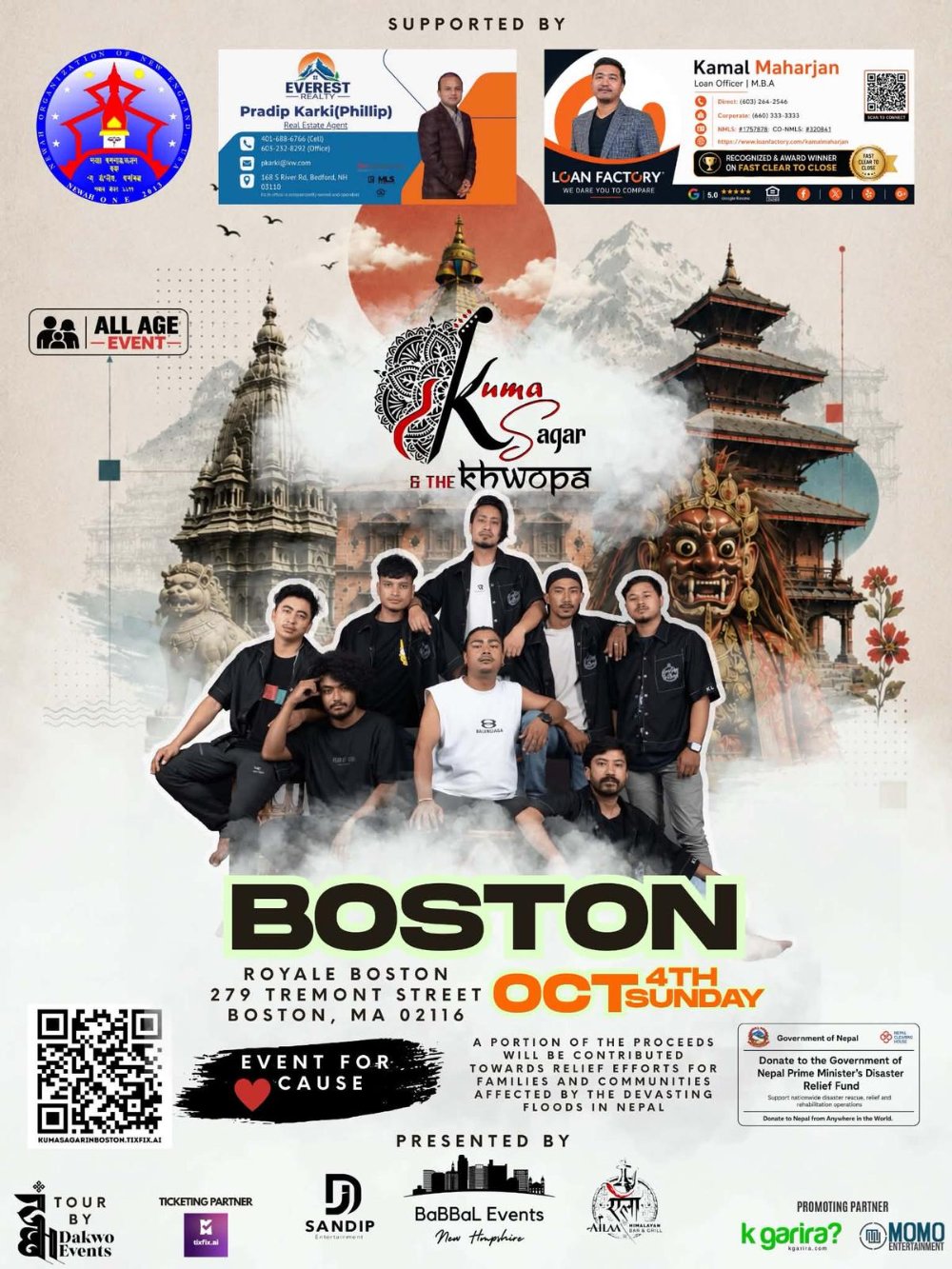 Oct 4, 2026 7:00 PM · Boston / New England · 518 views
 -
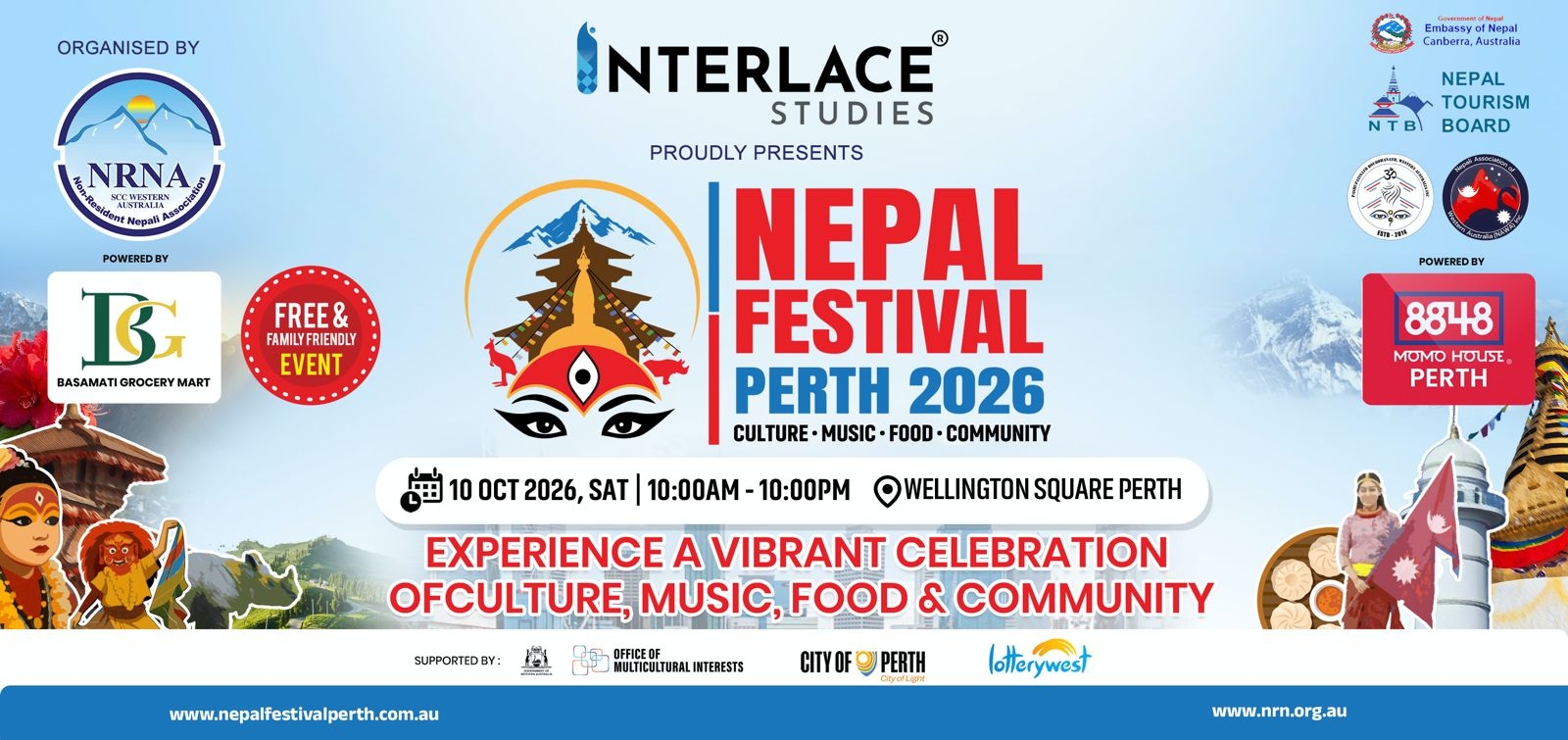 Nepal Festival Perth 2026 FestivalOct 10, 2026 10:00 AM · Perth / Western Australia · 227 views
 -
 Grand Dashain Mela 2026 FestivalOct 10, 2026 11:00 AM · Bay Area / Northern California · 215 views
 -
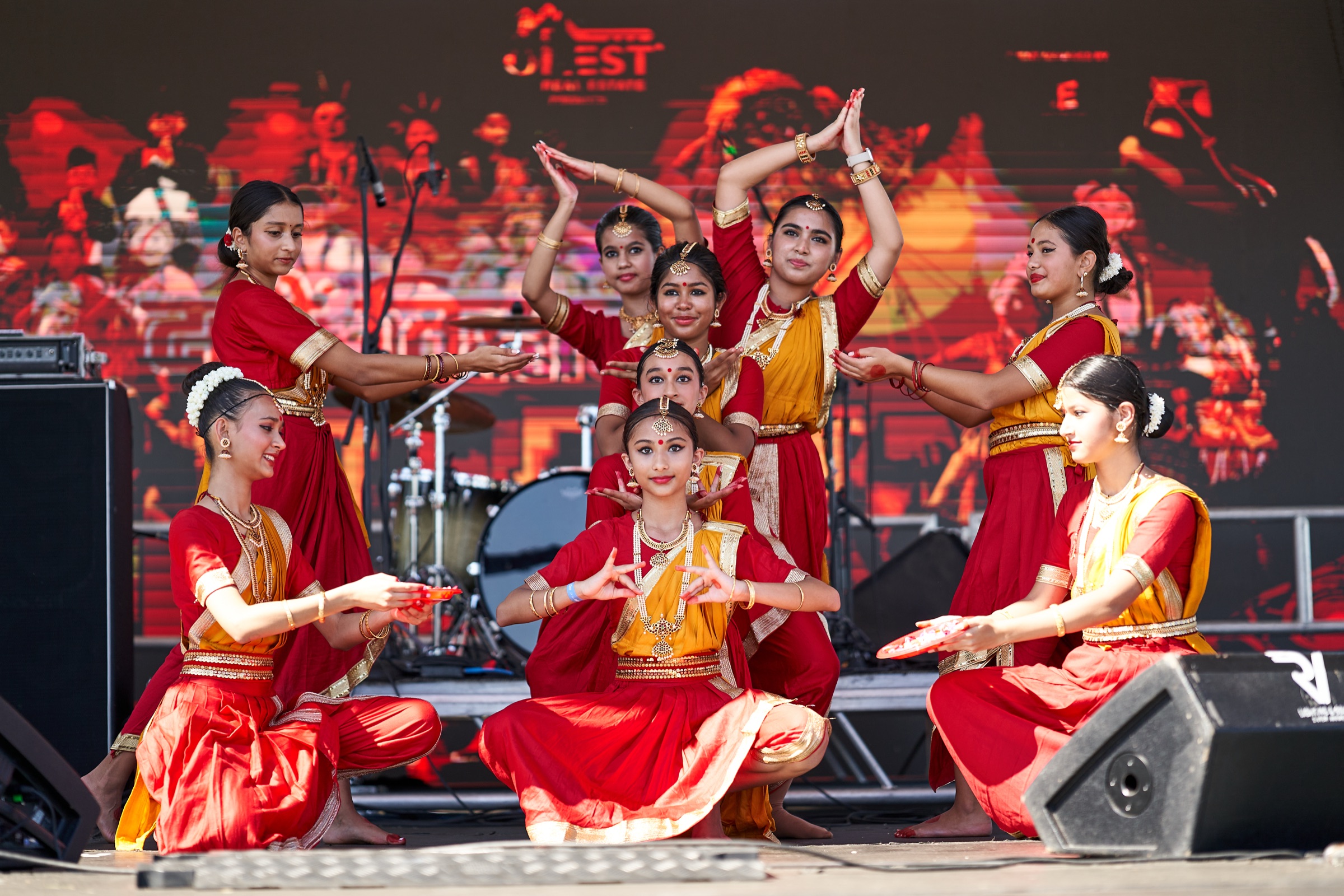 Oct 11, 2026 11:00 AM · DMV / Greater Washington · 228 views · Dashain
 -
 Dashain Festival Fulpati PartyOct 17, 2026 10:00 PM · Greater London · 189 views · Dashain
-
✓Vianet Communications OtherKathmandu · · 287 views
-
Aama Lama RestaurantMalden, MA · · 244 views
-
Ailaa Himalayan Bar & Grill RestaurantStoneham, MA · · 247 views
-
Ailaa Himalayan Bar & Grill RestaurantBedford, TX · · 222 views
-
Annapurna Curry & Sekuwa House RestaurantManchester, NH · · 225 views