गहत को दाललाई अङ्रेजी मा के भनिन्छ
गहत को दाललाई अङ्रेजी मा के भनिन्छ? I need to know ASAP. Please help me out, and let me know if it is available somewhere in the US.
Dalli Resham · Mar 15, 2009 9:08 AM · 20,826 views
Horse Gram.
chantu · Mar 15, 2009 11:23 AM
Ya, it is called Horse Gram. You may find it in regular grocery stores, but definitely find in Indian grocery stores.
Chicago-Bull · Mar 15, 2009 11:39 AM
I think I forgot the benefits of this horse gram... can you please enlighten me? I think it supposed to do good for your kidney stone or something?
Ved555 · Mar 15, 2009 2:17 PM
Chantu and Chicago Bull, Can you guys list most dals (lentils) available in Nepal with their English equivalent? Most dals are good source of fiber that I know of. Some Nepali dals I know are: Mans Mugi Musuro Rahar Thanks. -Jyapoo
jyapoo · Mar 15, 2009 2:24 PM
I was told that gahat ko daal is good for gollstones. I just find out that I have goll stones. Hoping that by consuming gahat ko daal might desolve the gollstones, if not in few months I will be able to have surgery to get rid of those little stones. Mans- Black lentil Mugi-- mung Musuro- red lentil Rahar- I do not know but when I got to stores it says ( Toor daal).
Dalli Resham · Mar 15, 2009 7:02 PM
Gahat ko dal... also good if you make any gals pregnant by mistake.... I thought dalli resham bro did something similar... Best of luck with gahat ko dal ... I also heard it works
gyanguru · Mar 15, 2009 7:12 PM
Thank you everyone to helping me out with gahat ko dal. Dalli Resham sister is definatley pregnant and that is the reason I cannot have surgery now. Trying home remedy might help for few more months, until the baby is born.
Dalli Resham · Mar 15, 2009 7:19 PM
Thanks folks on dal info. I used to have dal soup back in ktm very long ago but forgot name for it. It is not any as listed above, but had thick barks (skins) and when cooked still retained individual grain rather than being slurry like that of moong dal or red lentils. i was told that it was expensive. red lentils when cooked turns yellow even without application of turmeric,.which is quite interesting; but how red lentils still looks red in most indian restuartents wonders me, though.
Jyapoo · Mar 15, 2009 9:33 PM
In Nepal... at least once a year, in one of the winter months, people take gahat ko daal, as far as I can recollect... I used to hear that it cleans your inside of the body, gall bladder etc with the soup of this daal.. have you heard similar kinda thing about this daal?
Ved555 · Mar 18, 2009 7:28 PM
I heard that it desolve the gall stones and that is the reason I am asking for the info.
Dalli Resham · Mar 18, 2009 8:17 PM
HORSE GRAM (Kulthi) Properties Horse gram is sharp, bitter and hot. It is beneficial in cough breathing problem due to phlegms, flatulation, hicups, stones and fever. It also eliminates germs and worms. It causes impurities of bile and blood. It also causes inflammation and checks sweating. Uses Drinking semi liquid solution of horse gram powder cures flatulation. If horse beans mixed with powdered dry ginger, asafoetida and "veed salt" is taken it cures the pain of the stomach. If it is used in food it cures disease of the stomach. If the water in which horse gram had been soaked for the whole night (and is mashed in the same water in the morning) is taken daily, taken twice then it cures "stones". The use of horse gram in the diet relieves the pain of dry piles. Drinking the semi liquid mixture of powdered horse gram and powdered black pepper cures sore throat. Its use in the diet is good for women as their menstruation is purified. Note It is harmful for pregnant woman, or a person suffering from plethora or tuberculosis. It also causes the formation of excessive bile.
Ved555 · Mar 18, 2009 11:15 PM
Ved555 Thank you for the info. Now I am sure that I Am not going to use it becasue the note says it is harmful for the pregnant women.
Dalli Resham · Mar 19, 2009 8:44 AM
गहतको आयुर्शास्त्रिय परिचय: Dolichos biflorus Linn. Synonym _ Vigna unquiculata (L.)Walp. (also: Macrotyloma uniflorum, most common) Family _ Papilionaceae; Fabaceae. English _ Horsegram. Ayurvedic _ Kulattha, Kulittha, Khalva, Vardhipatraka. Unani _ Kulthi. Siddha/Tamil _ Kollu, Kaanam. Action _ Plant—used in measles, smallpox, adenitis, burns, sores. Seeds—astringent, antipyretic, diuretic. Decoction or soup is used in affections of the liver and spleen, intestinal colic, in leucorrhoea and menstrual dissorders, urinary discharges. A valuable protein supplement. The Ayurvedic Pharmacopoeia of India recommends the decoction of dry seeds in calculus (पत्थरी) and amenorrhoea (स्थगित रजस्वला) The seeds contain crude protein 20.8, pentosan 10.8 and water-soluble gum 2.8%. The presence of antinutritional components such as haemagglutinin and a protease inhibitor has been reported. The inhibitor activity decreased during germination. The mean protein value of the seeds is 25.47% which is more or less equivalent to soybean,winged bean and gram. Nutritionally, the horsegram seeds are richer in lysine content when compared to Cajanus cajan (Arhar) pulse and gram pulse. Presence of vitamin A in the green pods makes them a valuable diet for children; green leaves may be used in vitamin C deficiency syndrome, due to the presence of ascorbic acid and calcium. The seeds contain several common phytosterols. Strepogenin—several times higher than in casein. A decoction of seeds (soaked or boiled in water) is prescribed as diuretic and antilithiatic and has been clinically established. Diuretic activity of a dipeptide (pyroglutamylglutamine) has been found to be 2-3 times that of acetazolamide in albino rats. Globulin fraction of the seeds showed hypolipidaemic effects in rats. A lectin-like glycoprotein from stems and leaves possesses carbohydrate- binding activity. Dosage _ Seed— 6 g powder; decoction 50-100 ml. (CCRAS.) Source: CP Khare, Indian Medicinal Plants: An Illustrated Dictionary, 2007 __________________________
Nepe · Mar 19, 2009 1:14 PM
This conversation is preserved exactly as it was on the original Sajha.com and can't accept new replies.
Start a New DiscussionYou might be interested in...




-
Room Available for Rent USD 850.00Melrose, MA ·
-
One bed room available for rent USD 1,300.00Germantown, MD ·
-
Malden, MA, United States · Reposted Originally posted
-
Big Room with Parking Next to bus stop USD 1,100.00Everett, MA ·
-
Rooms Available for Rent USD 2,700.00Reston, VA ·
-
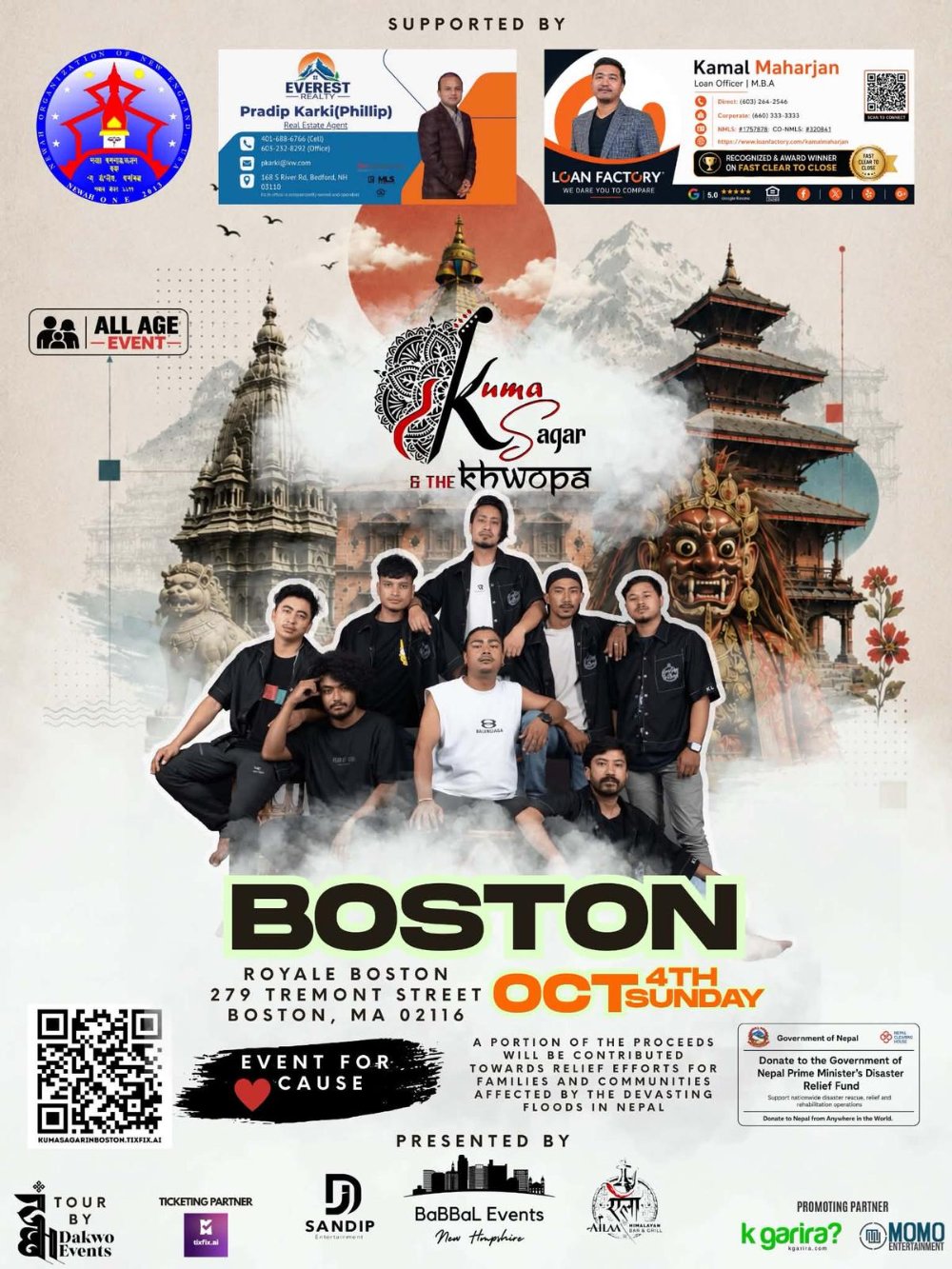 Oct 4, 2026 7:00 PM · Boston / New England · 518 views
 -
 Nepal Festival Perth 2026 FestivalOct 10, 2026 10:00 AM · Perth / Western Australia · 227 views
 -
 Grand Dashain Mela 2026 FestivalOct 10, 2026 11:00 AM · Bay Area / Northern California · 216 views
 -
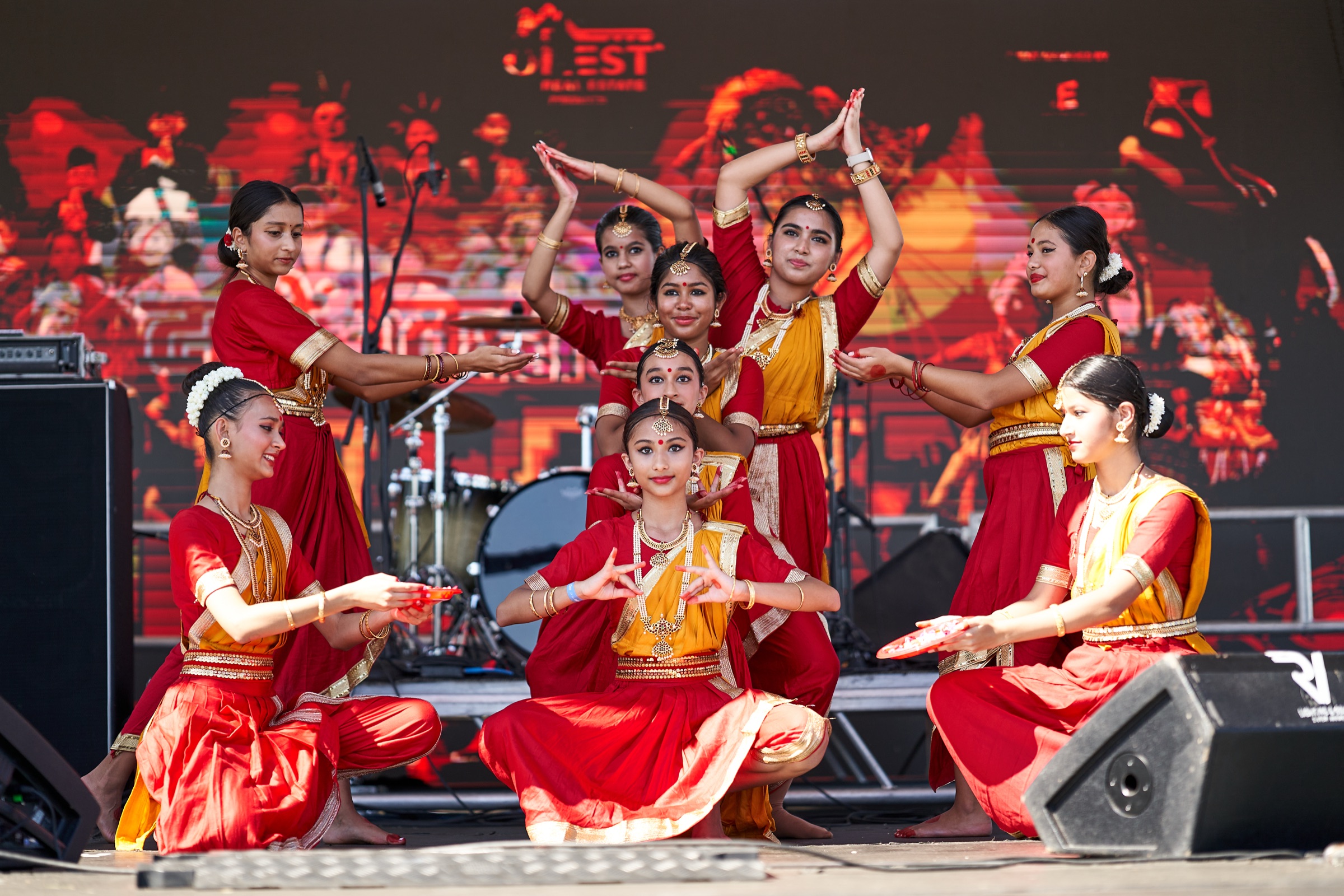 Oct 11, 2026 11:00 AM · DMV / Greater Washington · 229 views · Dashain
 -
 Dashain Festival Fulpati PartyOct 17, 2026 10:00 PM · Greater London · 190 views · Dashain
-
✓Vianet Communications OtherKathmandu · · 287 views
-
Aama Lama RestaurantMalden, MA · · 244 views
-
Ailaa Himalayan Bar & Grill RestaurantStoneham, MA · · 247 views
-
Ailaa Himalayan Bar & Grill RestaurantBedford, TX · · 223 views
-
Annapurna Curry & Sekuwa House RestaurantManchester, NH · · 226 views