“Gross National Happiness Is a Lie”: Bhutanese Refugees Speak Out
“Gross National Happiness Is a Lie”: Oakland’s Bhutanese Refugees Speak Out Photo courtesy of Rick Warner (CC)“When I hear about Gross National Happiness, it’s heartbreaking. When the government of Bhutan or the people of Bhutan say that it’s a beautiful place—an amazing place—I don’t feel happy. I have asked myself this question many times—why do I feel that?” — Anju SubbaThere are some beliefs that are hard to let go of. The Easter Bunny. The Tooth Fairy. There’s nothing quite like that crushing feeling a child gets when finding out that the world isn’t as magical as they once thought it is. It’s been quite a while since I’ve been thoroughly disabused of a good fairy tale. But a few months ago, I got wise to a story I didn’t even know was a fairy tale (which, I guess, is how that sort of thing goes). This story, like most good fairy tales, has its origins in a distant magical faraway land. But unlike most fairy tales, the reality crashes back down to earth here in our backyard of Oakland. Last year, I started working with a group of young Bhutanese refugees who live in the Fruitvale neighborhood of Oakland. They are part of an art project that I help manage. Bhutanese youth performing at Eastside Cultural Center in Oakland. Photo courtesy of B.A.B.Y.Before I started working with them, I knew some basic stuff about the Kingdom of Bhutan. Breathtaking Himalayan landscapes. Eco-tourism hotspot. Buddhism. And, of course, Bhutan’s most famous international export, Gross National Happiness. I think most people in the NPR demographic have at the very least heard about Gross National Happiness. It’s one of those sticky ideas that grabs hold of you the moment you hear it. I think it’s so compelling, because GNH is at once a feel-good philosophy and a sharp rebuke of unsustainable consumption-driven Western society. For us liberal-minded, anti-consumerist folks, the concept fits neatly in a convenient metanarrative — one in which we espouse Eastern-sounding awareness in confluence with our hyper-connected urban lifestyle. Everyone knows that our beleaguered gross domestic product, with its imperative of infinite economic growth, is the death knell of late-stage capitalism. Gross National Happiness, on the other hand—so woke! If only we had something like that. I was surprised when my Bhutanese friends started saying that GNH was propaganda and a sham. When I heard that, I realized I’d never really given it much thought. Robin Gurung: “When I hear of Gross National Happiness, it revitalizes my passion to speak up about our story. And that’s what I’m doing. This story that I’m telling to you is because Bhutan is showing the fake story—the fake image to the world—and that is affecting our story and our identity.”GNH The inspiration for Gross National Happiness was sparked in 1972 when the Fourth King of Bhutan, Jigme Singye Wangchuck, declared, “Gross National Happiness is more important than gross domestic product.” Over the next three decades, this idea of GNH became a guiding principle of Bhutan’s governance. Bhutan created a GNH Index and a GNH screening tool (survey). In 2008, the Gross National Happiness Index was enshrined in the country’s constitution. Photo courtesy of Göran Höglund (CC)So what’s not to love? Anything that inflicts shame and reflection upon our depraved capitalist values can’t be a bad thing. And at the very least, Bhutan is a shining example of what’s possible under enlightened leadership. Gross National Happiness is a similar siren song for the lefty liberal set. The idea conjures a vision of an idealistic fantasy place cloaked in shimmery Buddhist robes and framed by dramatic mountain backdrops.The Bhutanese/Oakland Connection But if Bhutan is such an enlightened place to live, why are there Bhutanese refugees living in Oakland? What are they refugees from? The group I work with, Bay Area Bhutanese Youth, is led by Robin Gurung and Anju Subba. Over the course of the last year, I’d heard snippets of their stories. Last week, I finally got a chance to sit down with them and learn about their journey. In 1992, Robin was three years old when he and his family were forced to flee Bhutan to live in refugee camps in Nepal until he was 23. Anju’s parents were forced out of their country in 1990. She was born in a Nepal refugee camp in 1993 and lived there for 17 years. Both Anju and Robin are stateless. They hold no passport to any country. They will eventually become citizens of the US. For now, using their green cards, they can apply for visas to travel to any country an American citizen can travel to — except Bhutan. They are not welcome in Bhutan. Anju: “Whenever I say I’m from Bhutan, people are, like, ‘Oh, wow, so pretty, so beautiful. Wow, amazing. You’re from the Himalayas—so beautiful!’ They want me to explain this sort of magical land to them. But then I have to tell them about Nepal. They will ask, ‘Why do you not know anything about Bhutan?’ and I have to say I was born in Nepal, and this is my story. And they will say, ‘Oh, are you from Katmandu?!’ and I will say no.”Bhutanese refugees living in the USA are constantly assailed by people’s projections of what they think they know about Bhutan. But their experience of Bhutan is completely different from the one proffered by popular culture. In the late 1980s, an estimated one-sixth of Bhutan’s population was forced off their land and out of their country. The Buddhist majority was feeling threatened by the growing ethnic Nepalese community, who had been living in Bhutan for centuries. The government imposed a program called “One Country, One People,” or “Bhutanization,” to force the minorities to assimilate into “pure Bhutanese” culture and religion. When they resisted, they were forced out. Over 100,000 of them. If you’re interested in more information about this, here’s a good overview. Much violence and tragedy ensued. The rest of the world barely noticed. On closer inspection, Gross National Happiness is neither gross nor national. It’s an idea born on the backs of oppressed minorities who have been whitewashed out of the central narrative. It’s a happiness for the ruling class at the expense of those whose land and livelihoods were stolen from them.Robin: “I think that’s the worst story that we have. From 1989 to 1991, when folks were migrating to Nepal, there was no place to live, so they were put by a bank of a river. When our communities were on that bank of the river, you can image that there was no place to live, nothing to eat, no medical facilities. Nobody knew how to survive.”Anju: “People were there in the rain and didn’t have houses. People were really sick—so many people died when the camp started to settle because there was no hospital, nobody to help. My cousin, one year older than me, died the first year when they arrived in Nepal because he was sick, and no one was there to care. So many children died. It just makes me so angry that the world doesn’t know about it.”Faced with an epic humanitarian crisis, the UN eventually stepped in and formed refugee camps in Nepal. Bhutan refused to let them return to their land. Nepal did not want to let them stay. India wouldn’t take them. The refugees were stuck in a limbo of statelessness, forced to live as prisoners, and 25+ years later, many still live there. The camps are some of the longest-running refugee camps in the world. The refugees fought hard for the right to return to their homes in Bhutan, but no amount of pressure from the international community would compel Bhutan to take their people back. <img class="progressiveMedia-image js-progressiveMedia-image" data-src="https://cdn-images-1.medium.co..." src="https://cdn-images-1.medium.co..." style="display: block; position: absolute; top: 0px; left: 0px; width: 255px; height: 299.875
ktmpost · Jul 27, 2017 5:48 AM · 1,505 views
This conversation is preserved exactly as it was on the original Sajha.com and can't accept new replies.
Start a New DiscussionYou might be interested in...



-
Room Available for Rent USD 850.00Melrose, MA ·
-
One bed room available for rent USD 1,300.00Germantown, MD ·
-
Malden, MA, United States · Reposted Originally posted
-
Big Room with Parking Next to bus stop USD 1,100.00Everett, MA ·
-
Rooms Available for Rent USD 2,700.00Reston, VA ·
-
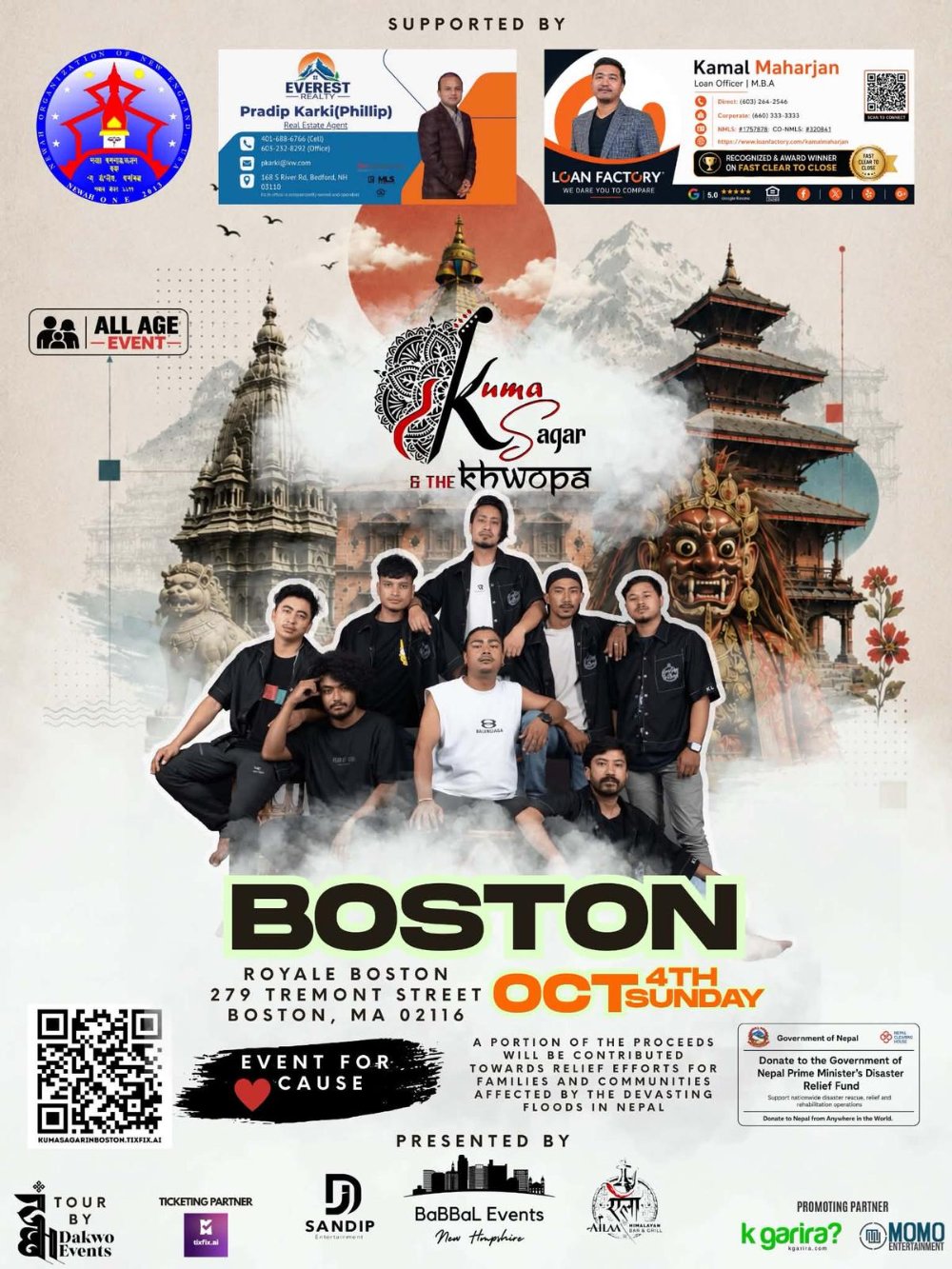 Oct 4, 2026 7:00 PM · Boston / New England · 516 views
 -
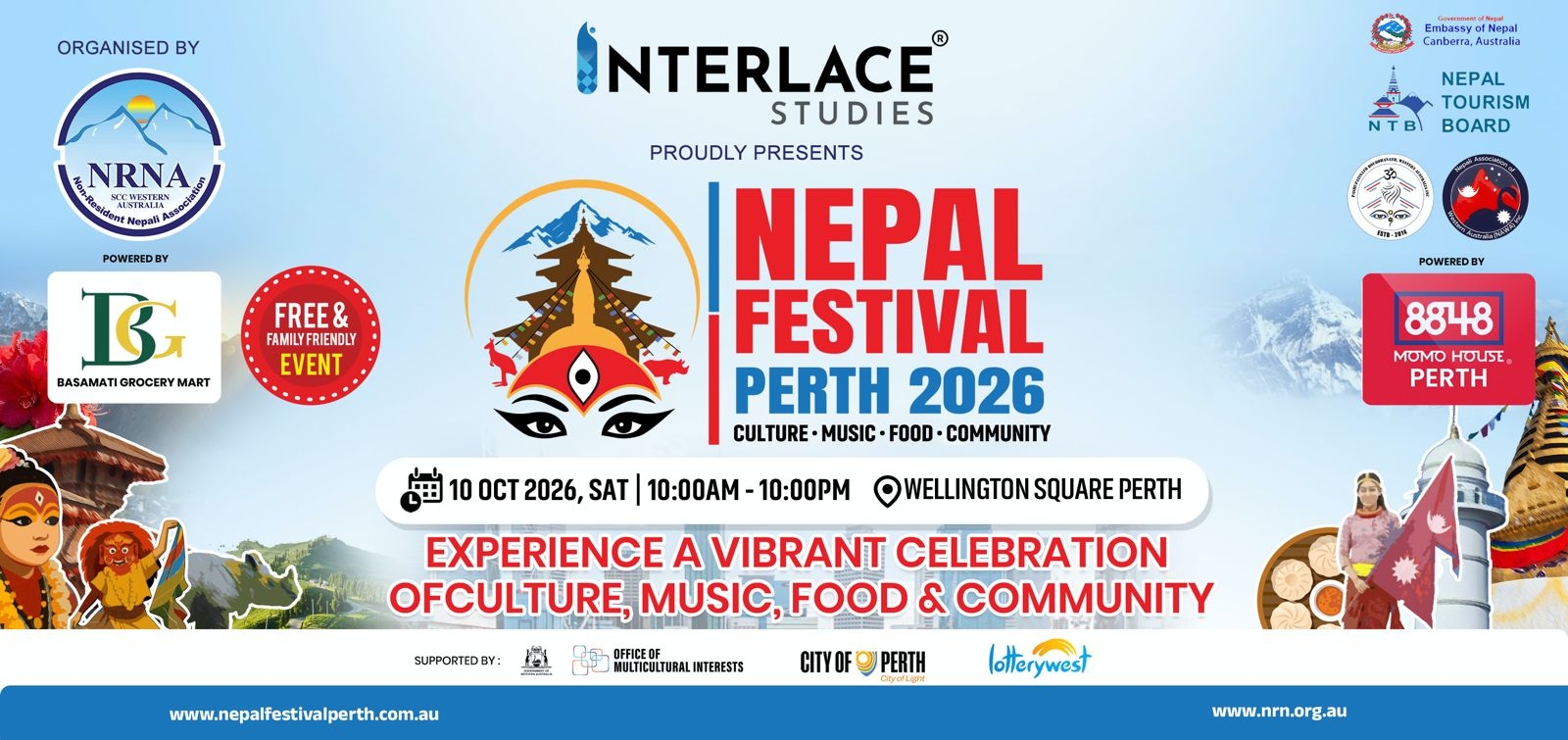 Nepal Festival Perth 2026 FestivalOct 10, 2026 10:00 AM · Perth / Western Australia · 226 views
 -
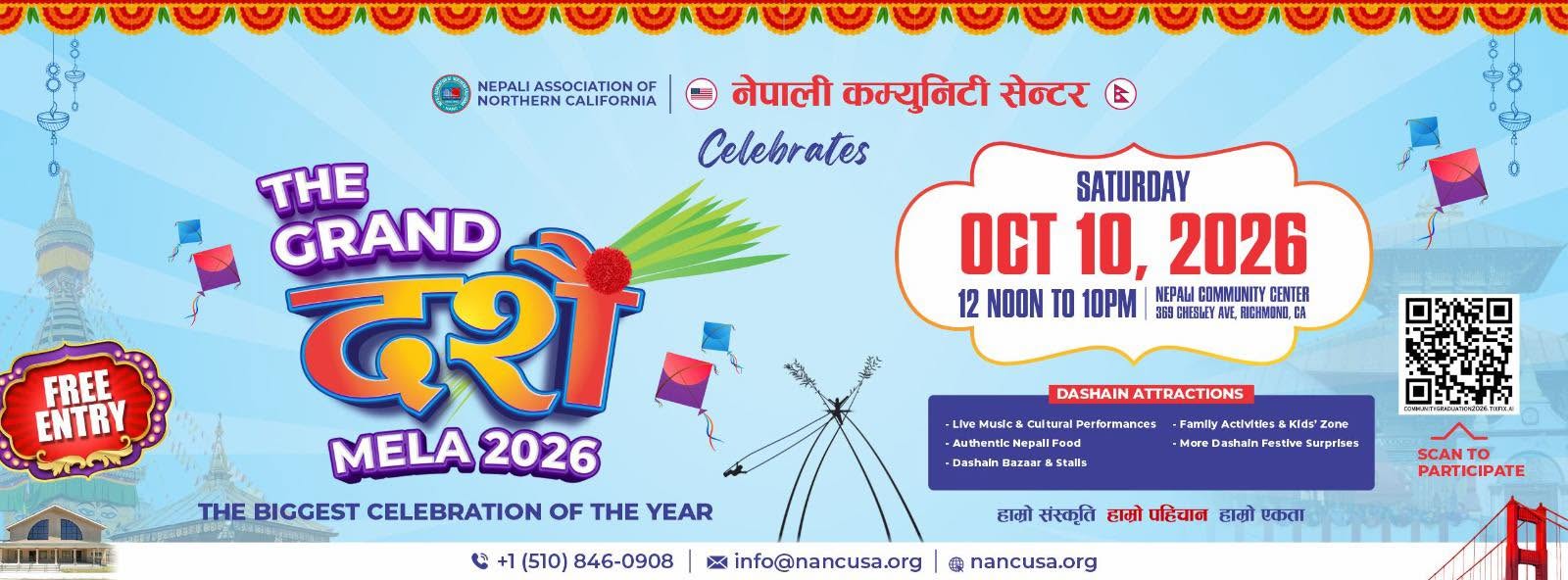 Grand Dashain Mela 2026 FestivalOct 10, 2026 11:00 AM · Bay Area / Northern California · 215 views
 -
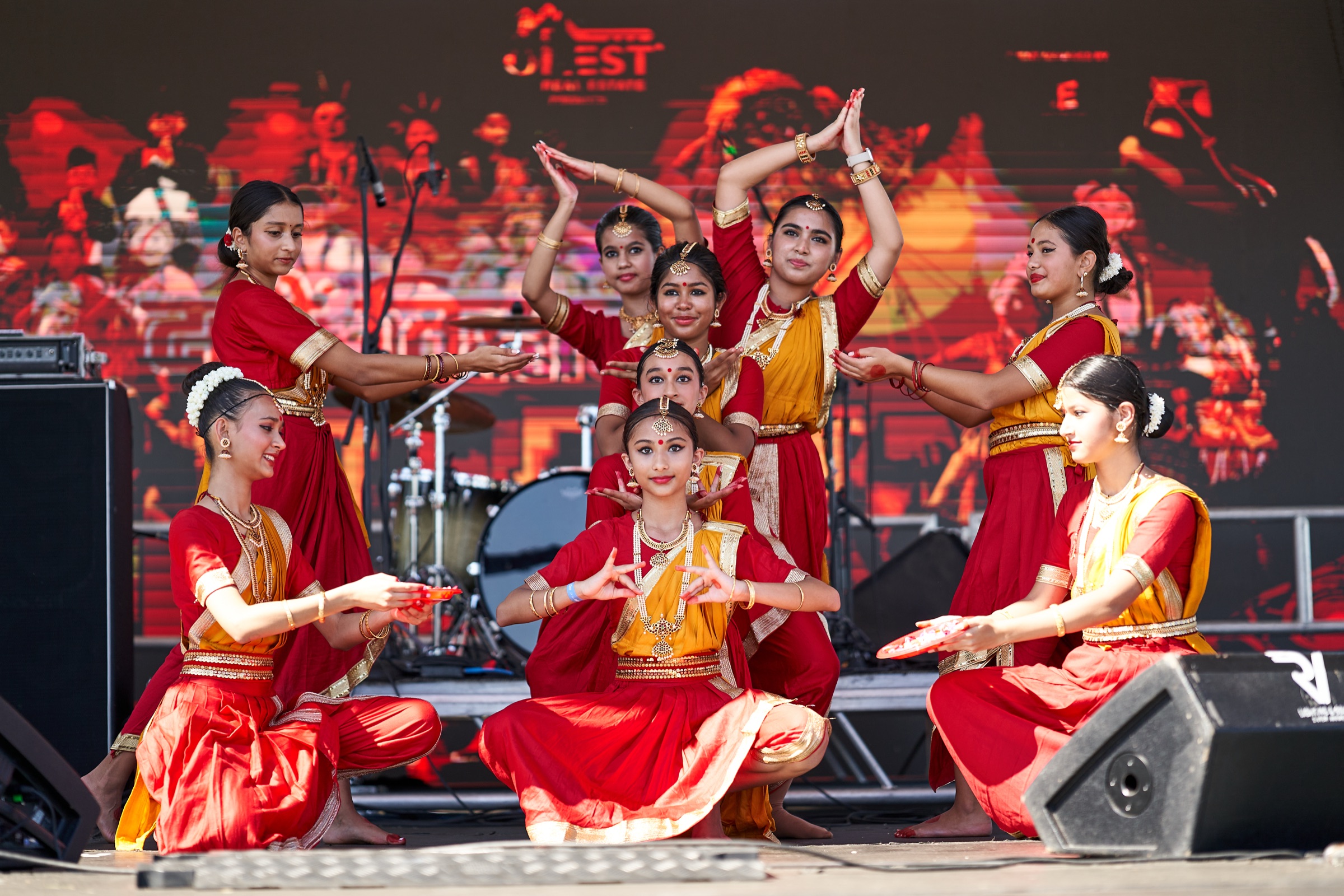 Oct 11, 2026 11:00 AM · DMV / Greater Washington · 228 views · Dashain
 -
 Dashain Festival Fulpati PartyOct 17, 2026 10:00 PM · Greater London · 189 views · Dashain
-
✓Vianet Communications OtherKathmandu · · 286 views
-
Aama Lama RestaurantMalden, MA · · 244 views
-
Ailaa Himalayan Bar & Grill RestaurantStoneham, MA · · 247 views
-
Ailaa Himalayan Bar & Grill RestaurantBedford, TX · · 222 views
-
Annapurna Curry & Sekuwa House RestaurantManchester, NH · · 225 views