Nepal police arrest seven Christians accused of converting people to Christianity
(Reuters/Navesh Chitrakar)People fetch water from a well near the debris of collapsed houses damaged during the April 2015 earthquake, in Bhaktapur, Nepal, March 18, 2016.Nepali authorities have arrested seven Christians over accusations of converting people to Christianity after they were seen giving Bible handbooks to children. On June 9, seven Christians participated in an extracurricular activity in school in which they distributed a handkerchief and a Bible handbook titled "A Great Story" to each of the 885 students. Local politicians told the police about the activity, leading to the arrest of the principals of Mount Valley Boarding School and Modern Nepal School, and some members of Christian group Teach Nepal, UCA News reports. Advertisement Local sources say the seven arrested Christians would be charged with committing an act of religious conversion by preaching to schoolchildren. In addition, sources said the Christians were forced to promise not to do it again if they want to be released from prison. Christian church leaders are set to meet with the officials of the Home Ministry to discuss the early release of the seven arrested individuals. Based on Article 26 (3) of the 2015 Nepalese Constitution, the act is prohibited in the country. The article says no one is allowed to convert a person to another religion or do anything that may "jeopardize" that person's religion. Despite the tight situation in Nepal, Christianity is unexpectedly growing in the country. From zero in 1951, the census reflects that the number of Christians has grown to 458 in a span of ten years, Eric Metaxas says in an entry on Breakpoint. Fast forward to forty years later, Christians in Nepal are now 102,000. In 2011, the number already ballooned to 375,000, and Nepalese Christian leaders believe that the actual figure is closer to 2.3 million, according to the International Institute for Religious Freedom. The Nepalese government claims that Christianity in the country is growing at a rate of 1.5 percent, but the abovementioned figures clearly indicate that the actual growth rate is around 10 percent. One of the reasons for the quick growth of Christianity in Nepal may be the difficulty in totally outlawing evangelism. Plus, the areas where Christians are flourishing are those that are not served by either the government or Hindu majority. Ads by Revcontent http://www.christiandaily.com/...
cybernepali · Jun 15, 2016 9:19 AM · 61,013 views
सबै कुरो एक दम सहि हो शिवलिङ्ग ब्रो ! हामी मुलत शैव र शाक्त मार्गी हौ ! तर बेद र उपनिषद् बाहुनहरुको "स्टफस्" मात्र हो भन्ने कुरो चै म मान्दिन ! बेद, उपनिषद्हरु हाम्रा ऋषिमुनिहरुको समस्त मानबजातिको लागि देन हो !
Nas · Jun 21, 2016 4:59 PM
Good post Shiva_linga. But Newars, at least high casts, are more hindu than bahuns that have khas root. But most of upadhyaya bahuns in nepal have kanyakubja, non-khas, origin. Else, you are spot on.
seeker77 · Jun 21, 2016 5:14 PM
@seeker, yes high caste newars(joshis,rajopadhyas,pradhan etc) are more hinduised since they are ethnically mixed with lichhivis and mallas and have been hinduised longer than the khas people.newar were hinduised since the 5th century AD or so, whereas the first manuscripts of khas from 12th century show they were still buddhist and shamanist(masto worshippers). i also believe upadhyayas have non-khas origin as i mentioned earlier.these north indian brahmins brought the more orthodox brahmanical hinduism to our hills and hinuised the khas and magar in western hills. @nas,vedas were pre -hindu documents of aryans . upanishads were the intepretation but these scripts were not originally written/read by native nepalis.even the valley kings who were the first hindus of nepali hills revered tantric,shaivaite and shakta religious books more than brahmanical books.i am not saying vedas and upanishads being only brahmans book, vedas were documented a lot later by brahmins though the source is basically social wisdom ,prayers and migration story. upanishads are a later creation from mostly north west indian brahmins.they are the property of whole humanity but are not innately nepali.
shiva_linga · Jun 21, 2016 5:52 PM
ujl · Jun 21, 2016 6:08 PM
@ ujl, the above classification makes no sense. the british indologists of 19th century created this to include all the southasian native belief system existing at that time. prior to that,and better said prior to shankaracharya restoration of hinduism ,these systems were separate religions in their own place.so basically brahmanism,shaktism,shaivism and other religions were separate in what they believed but the rituals and mythology became more and more entangled due to mixture with neighbouring cultures.
shiva_linga · Jun 24, 2016 9:52 AM
@ ujl, we shouldnt compare our mix of sanatan traditions and animistic traditions to orthodox brahmanism devised post 8th century by adi shankara. with we i mean all nepali except pahadi and terai brahmins.that is still an overwhelming majority of nepalis.
shiva_linga · Jun 29, 2016 6:29 AM
This conversation is preserved exactly as it was on the original Sajha.com and can't accept new replies.
Start a New DiscussionYou might be interested in...



-
Room Available for Rent USD 850.00Melrose, MA ·
-
One bed room available for rent USD 1,300.00Germantown, MD ·
-
Malden, MA, United States · Reposted Originally posted
-
Big Room with Parking Next to bus stop USD 1,100.00Everett, MA ·
-
Rooms Available for Rent USD 2,700.00Reston, VA ·
-
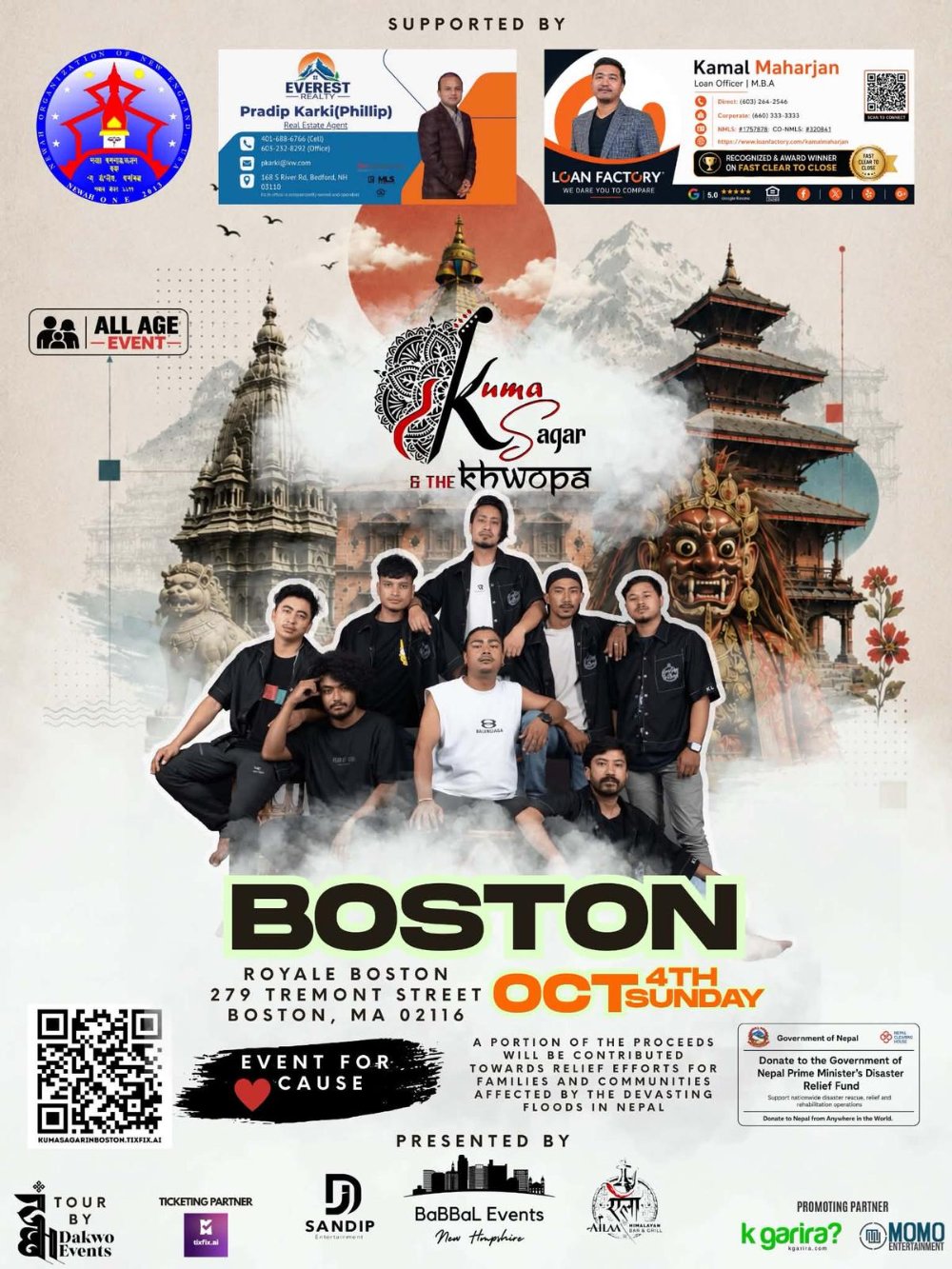 Oct 4, 2026 7:00 PM · Boston / New England · 518 views
 -
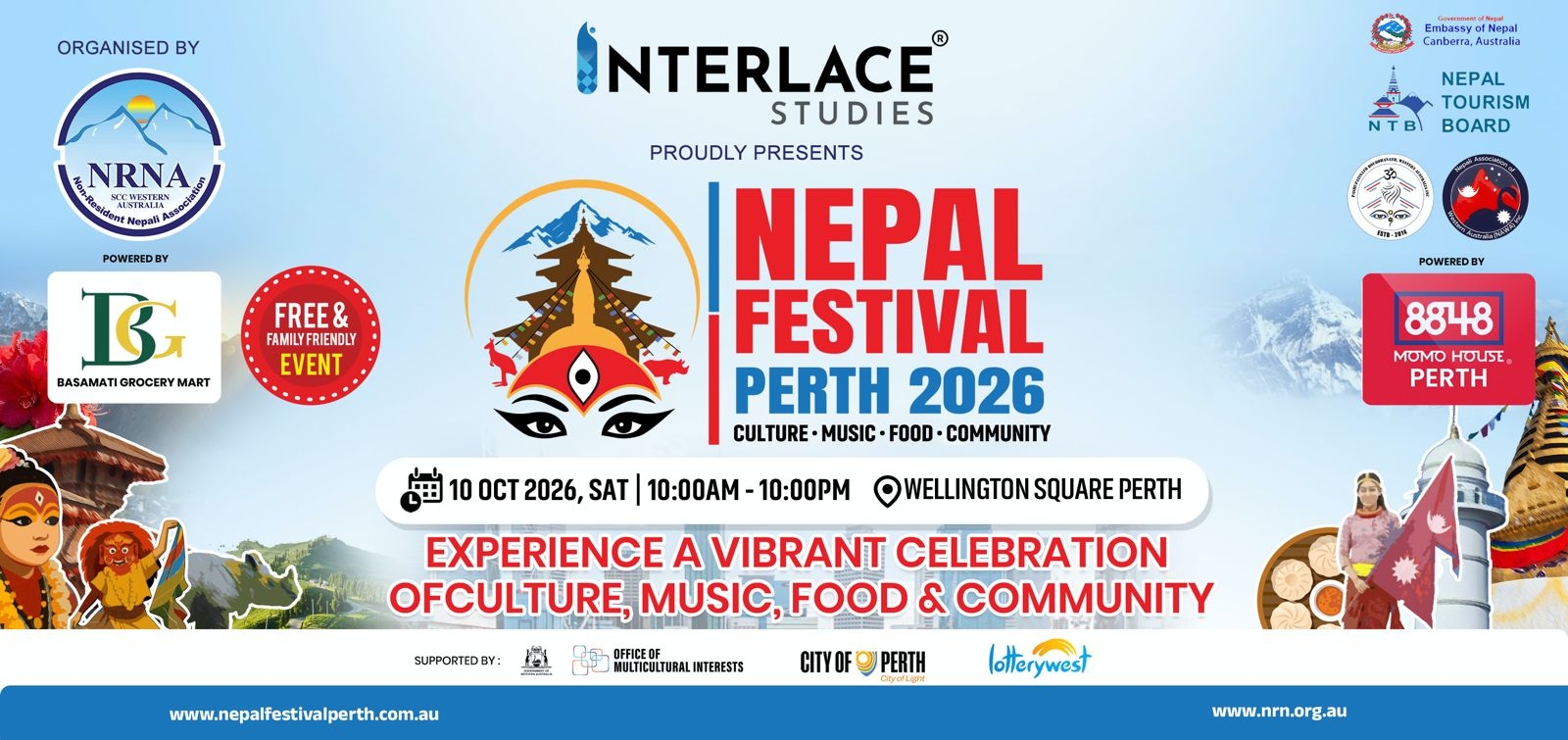 Nepal Festival Perth 2026 FestivalOct 10, 2026 10:00 AM · Perth / Western Australia · 227 views
 -
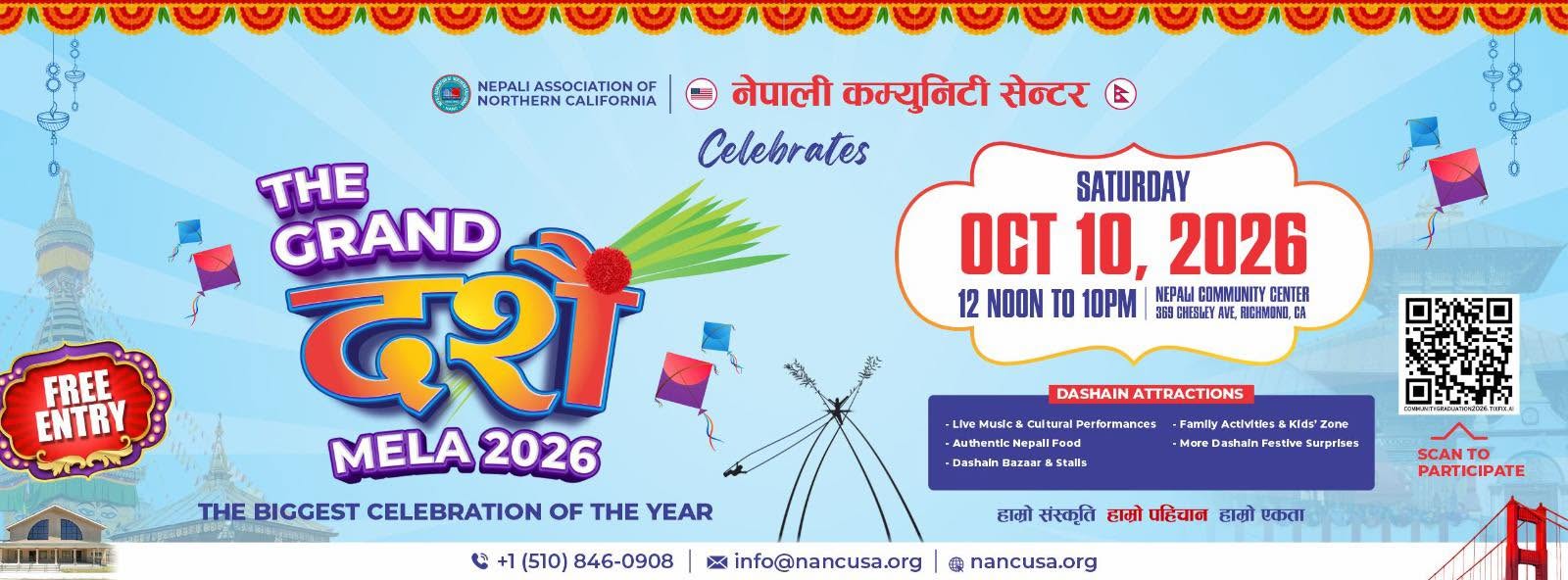 Grand Dashain Mela 2026 FestivalOct 10, 2026 11:00 AM · Bay Area / Northern California · 216 views
 -
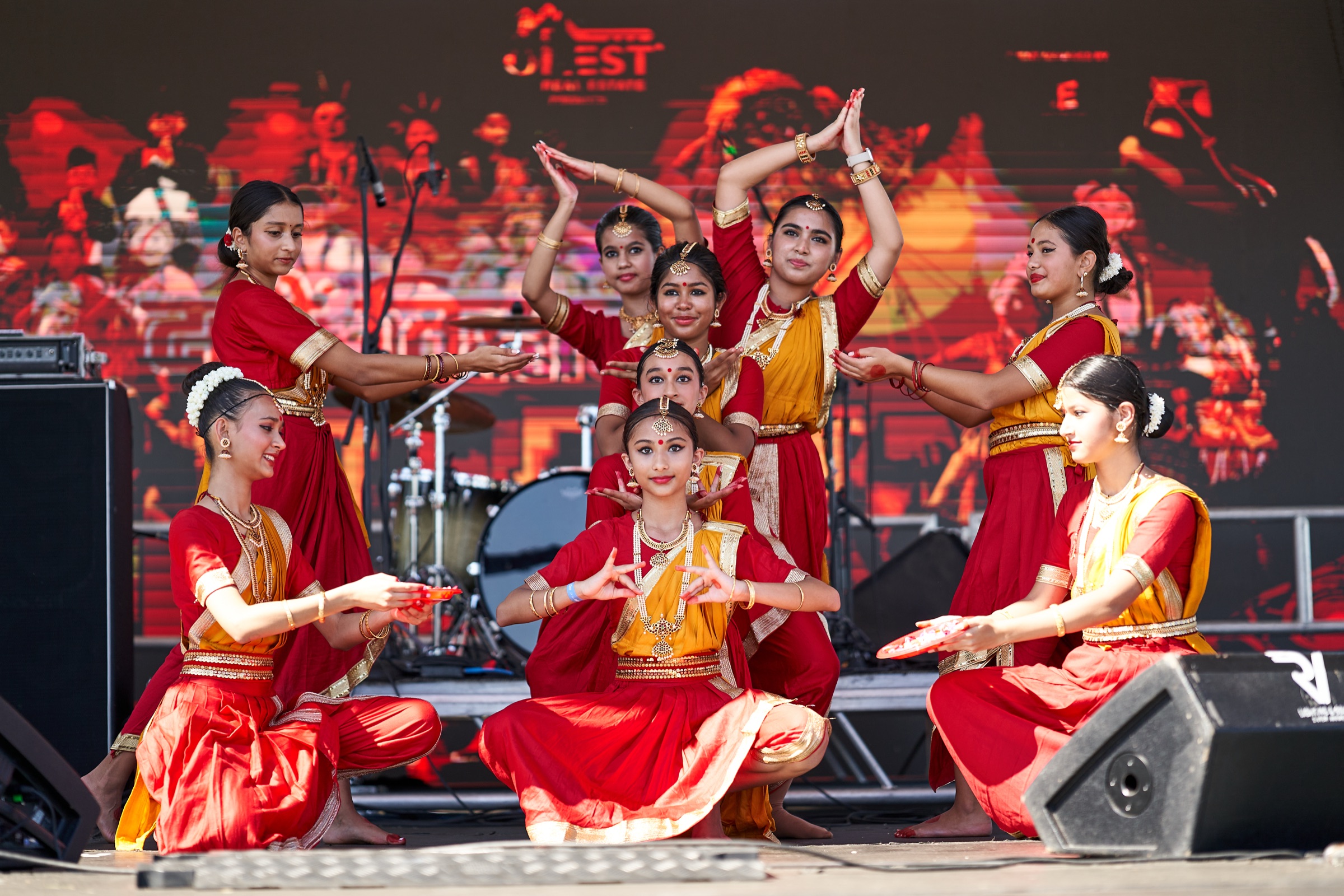 Oct 11, 2026 11:00 AM · DMV / Greater Washington · 229 views · Dashain
 -
 Dashain Festival Fulpati PartyOct 17, 2026 10:00 PM · Greater London · 190 views · Dashain
-
✓Vianet Communications OtherKathmandu · · 287 views
-
Aama Lama RestaurantMalden, MA · · 244 views
-
Ailaa Himalayan Bar & Grill RestaurantStoneham, MA · · 247 views
-
Ailaa Himalayan Bar & Grill RestaurantBedford, TX · · 223 views
-
Annapurna Curry & Sekuwa House RestaurantManchester, NH · · 226 views