Another barbaric practice in Nepal, ripping a live goat apart
A cultural festival in Nepal during which a live goat is ripped apart by villagers using their bare hands and teeth has sparked outrage among animal rights campaigners. The Deopokhari festival is held every year in August, in the village of Khokana, one of the oldest villages in the Kathmandu Valley in central Nepal. The 900-year-old festival is a celebration of the culture of the Newari people, the indigenous people of the area around the Kathmandu Valley, and features traditional dancing, music and food. But animal rights campaigners have branded the celebration ‘barbaric’, as part of the ceremony sees a young female goat brutally sacrificed. SHARE PICTURE +22 'Brutal': Animals rights campaigners have spoken out against a Nepalese cultural festival during which a young goat is torn apart while still alive by the young men of the Khokana village +22 Traditional: The Deopokhari festival, which dates back to the 12th century, sees a young goat thrown into the Deu pond, near the village's Rudrayani temple +22 Savage: A team of nine of the village's men jump into the pond after the goat and proceed to bite and tear at the young goat with their teeth and hands The five or six-month-old goat is hurled into the Deu pond close to the Rudrayani temple at the centre of the village, followed by nine young men who jump into the pond and begin to tear at the goat with their hands and teeth. They continue to bite, pull at and strangle the goat until it is torn apart, and the man deemed to have eventually killed it is permitted to lead the year’s procession. Nepalese organisation Animal Welfare Network Nepal has been spear-heading a campaign against the festival for years, and has succeeded in rallying international support in its struggle. ‘Animal Welfare Network Nepal condemns the act of sacrifice in the festival and is continuously raising its voice against animal cruelty,’ said a spokesman for the AWNN campaign group. World-renowned animals rights charity PETA has joined the AWNN in its campaign, highlighting the damage that the 'uniquely savage and disgusting' festival does to Nepal's international reputation. The charity's UK director Mimi Bekhechi, said: 'The Khokana festival demonstrates only obliviousness to world opinion, disrespect for life and an almost uniquely savage and disgusting display of cruelty. 'There are few living beings as gentle and defenceless as baby goats, the victims of this barbarous act.' +22 Sacrifice: The winner of the competition is the one deemed to have finally killed the goat, and he is allowed to lead that year's procession +22 Celebration: Animals rights campaigners across the world have condemned the practice, and called on the Nepalese government to put a stop to the festival once and for all Ms Bekhechi continued: 'Images of terrified kids [baby goats] being attacked and drowned as they bleat and struggle for their lives hurts Nepal's reputation internationally and certainly damages the tourist trade. 'We urge the majority of people in Nepal, who are no doubt kind and caring, to join the international clamour to end these barbaric rituals.' Surajan Shrestha, President of the Animal Rights Club in Nepal, told MailOnline: 'The process of the ritual is actually a very long one, the goat suffers for at least 40 minutes before she gives up slowly with extreme pain and suffering. 'Khokana festival has been a festival of a particular ethnic group for many years in which a goat is killed in a very cruel manner in the name of god and for entertainment. 'Traditions in which animal cruelty is involved should be stopped as soon as possible.' Shocked members of the public from across Europe and Nepal have launched a number of online petitions on websites such as Change.org, calling on the Nepali Congress Central Office to ban the practice. The largest has been signed by more than 53,000 people, while several others have received more than 5,000 signatures each. ‘No one can adequately explain why this practice is carried out year after year – except to say that it is ‘traditional’,’ said Geoff Knight, who launched the original petition. ‘Such a cruel and vicious act inflicted on an animal has no place in a civilised society and should be banned immediately.’ Nepalese national Bidhata Singh, who has also set up a petition against the sacrifice, added: ‘The experience of the goat is excruciating. Every year in Nepal animals are sacrificed in the name of religion or tradition, which is totally devilish, immoral and mad.’ +22 Graphic assault: The original online petition, launched on Change.org, has been signed by more than 53,000 people, shocked by the brutality of the sacrifice +22 'Disrespect for life': British animal rights campaigner Geoff Knight, who launched the original campaign, insisted the 'cruel and vicious' festival has 'no place in a civilised society and should be banned immediately' +22 Outrage: The animal rights campaign calling from a ban on the savage festival has reached world-renowned animal charity PETA, which has added its weight to the campaign Members of the public from across the world who signed the petition have denounced the practice, branding it 'savage', 'shocking' and 'disgusting'. ‘An animal feels pain, and torture of this kind is barbaric and should be banned,’ wrote Jennie Leong, from Australia. ‘There is no justification or excuse for such practices in this day and age, and any civilised society should not tolerate this! The world should do something to stop it.’ Alexander Gurung, from Nepal, added: ‘All the rituals where live animals are sacrificed have to be scrapped. This is inhumane practice.’ Imogen Roberts, from Boston in the U.K., said: ‘This is the most horrifying thing I have seen on the internet. I can’t believe things like this are still allowed, let alone celebrated in the 21st century.’ The festival dates back to the 12th century, when residents began drowning a live goat to appease the gods that were perceived to be living in the pond after a village child drowned in it. It is held the day after one of Nepal's most popular festivals, Gai Jatra, or the Festival of Cows. The festival is celebrated mainly in the Kathmandu valley by the Newar community, and during the festival – which honours the people who have died that year – cows are marched in the streets. The Newari people practice a combination of Hinduism and Buddhism which dates back centuries. Other Newari cultures on show at the Deopokhari festival include the dhime and Devi dances, Newar foods and wine, crafts and music. But this is not the only Nepalese festival to have drawn the attention of animal rights groups. A two-day religious festival held every five years in Nepal, sees the ritual slaughter of 250,000 buffalo, birds and goats. Millions attend the ceremony which is held in honour of the Hindu goddess of power, Gadhimai, at her temple in Bariyarpur, near the Indian border. +22 Uproar: The Deopokhari festival is a show of Newari culture, with traditional dancing, food and wine all on show during the celebrations <span style="padding-right: 10px; padding-top: 2px; display: table-cel
cybernepali · Jul 31, 2015 10:43 AM · 38,028 views
I didn't know this even existed in Nepal. This is really bad. Evil is evil regardless of geographic location, race, culture, or religion.
ramas · Jul 31, 2015 10:50 AM
Those who participate this kind of stupidity or those who watch and enjoy are absolutely morons and shame for this planet.
sajhamitra · Jul 31, 2015 11:22 AM
We never killed for joy or exhibition. We were not that cruel, what happening to us? We used to kill in one shot. Our ancestors used to be furious if we could not chop in one shot. This done by people with dysfunction. Last edited: 31-Jul-15 12:52 PM
magorkhe1 · Jul 31, 2015 12:19 PM
this is no good. poor animal.
sojoketo · Jul 31, 2015 1:23 PM
F***ing lunatics.
robwin · Jul 31, 2015 2:08 PM
Most of our people are barbarians
divorceguy · Jul 31, 2015 8:23 PM
Shame on them.
mero_naam_ho · Jul 31, 2015 8:27 PM
Wow, didn't know something like this exists in Nepal. I love goat meat but seeing/hearing about this is painful.
nepalikanchha · Jul 31, 2015 10:15 PM
It says festival of Newari people but I have never heard of this before.
shrestha babu · Aug 1, 2015 8:09 AM
This conversation is preserved exactly as it was on the original Sajha.com and can't accept new replies.
Start a New DiscussionYou might be interested in...




-
Room Available for Rent USD 850.00Melrose, MA ·
-
One bed room available for rent USD 1,300.00Germantown, MD ·
-
Malden, MA, United States · Reposted Originally posted
-
Big Room with Parking Next to bus stop USD 1,100.00Everett, MA ·
-
Rooms Available for Rent USD 2,700.00Reston, VA ·
-
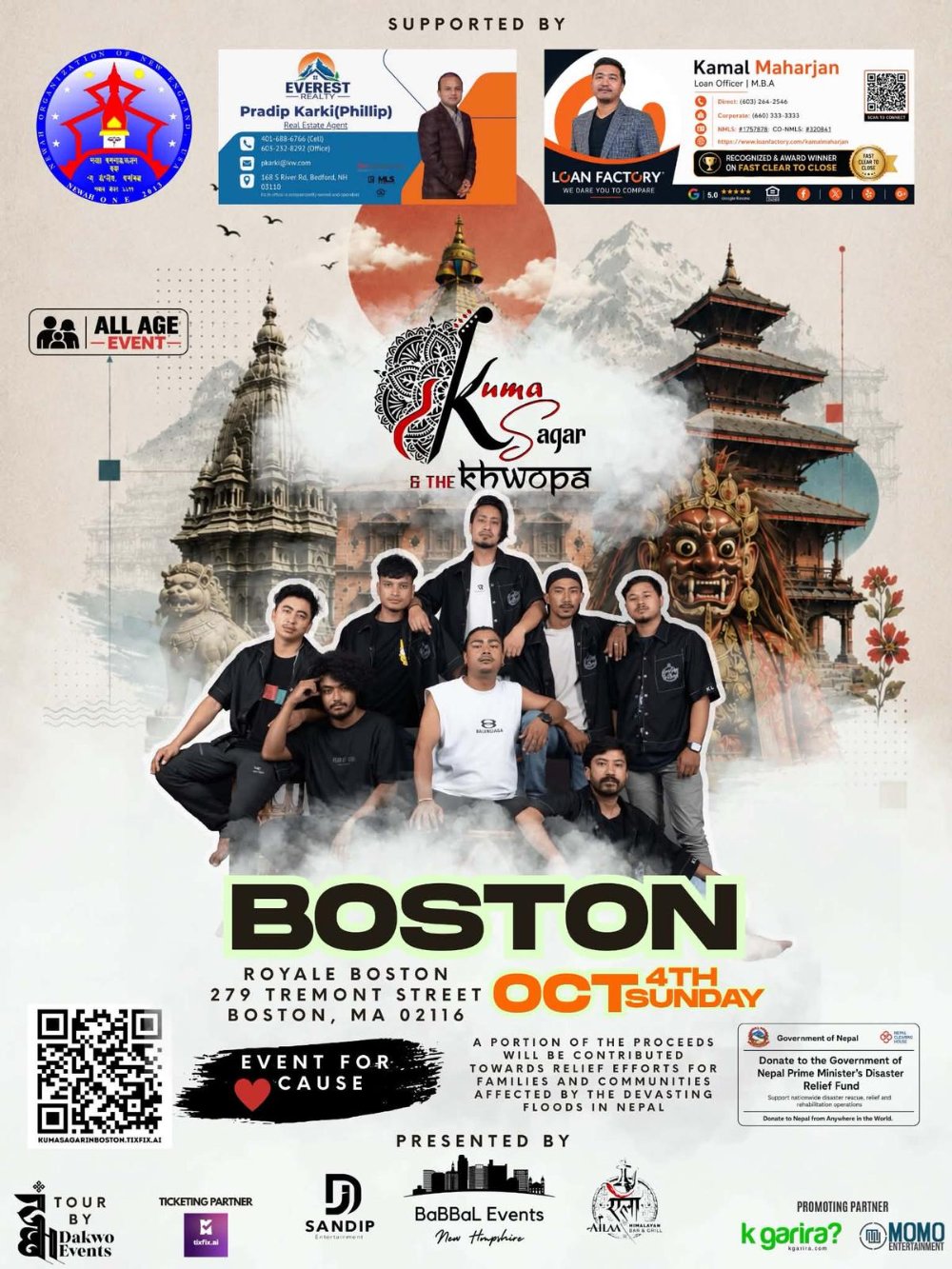 Oct 4, 2026 7:00 PM · Boston / New England · 515 views
 -
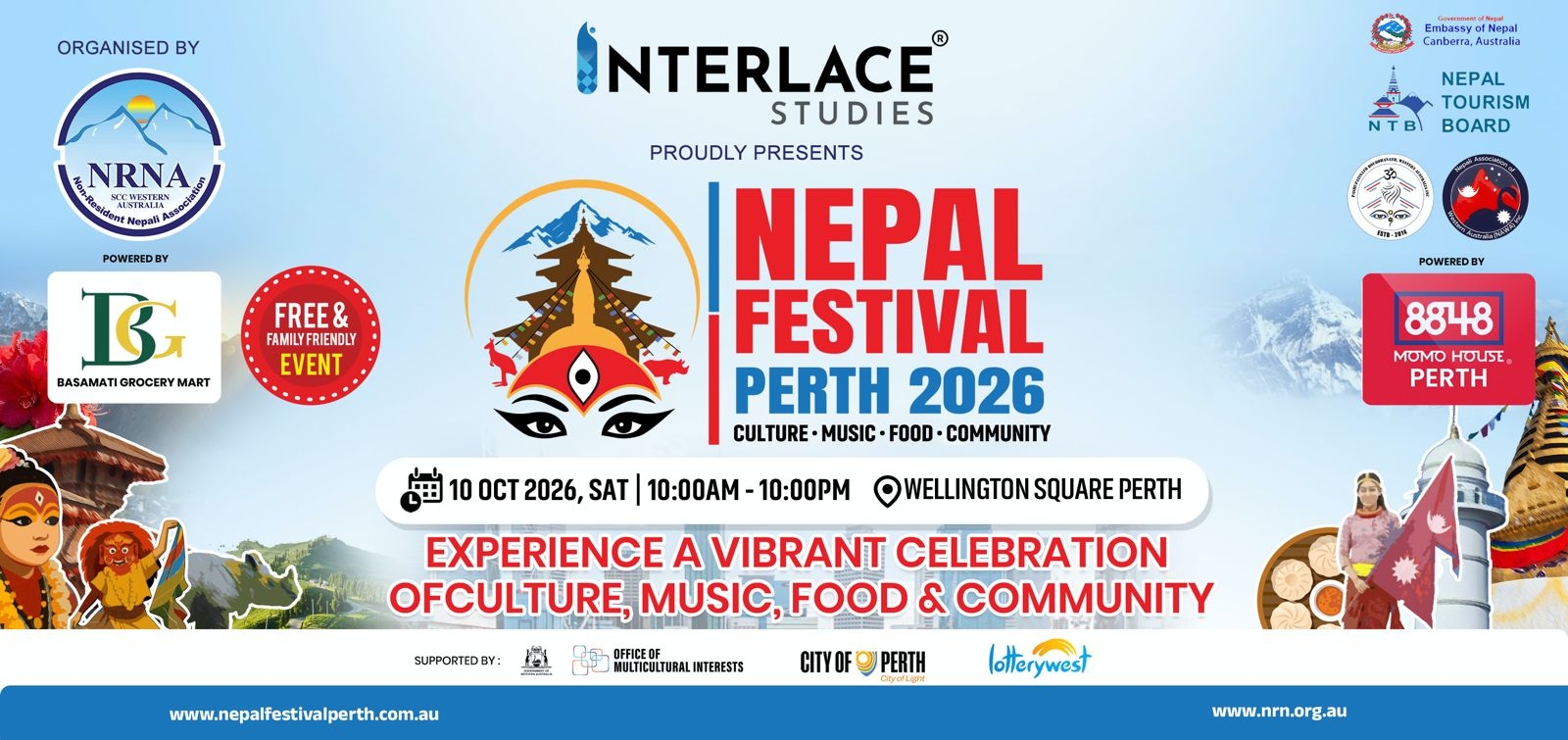 Nepal Festival Perth 2026 FestivalOct 10, 2026 10:00 AM · Perth / Western Australia · 225 views
 -
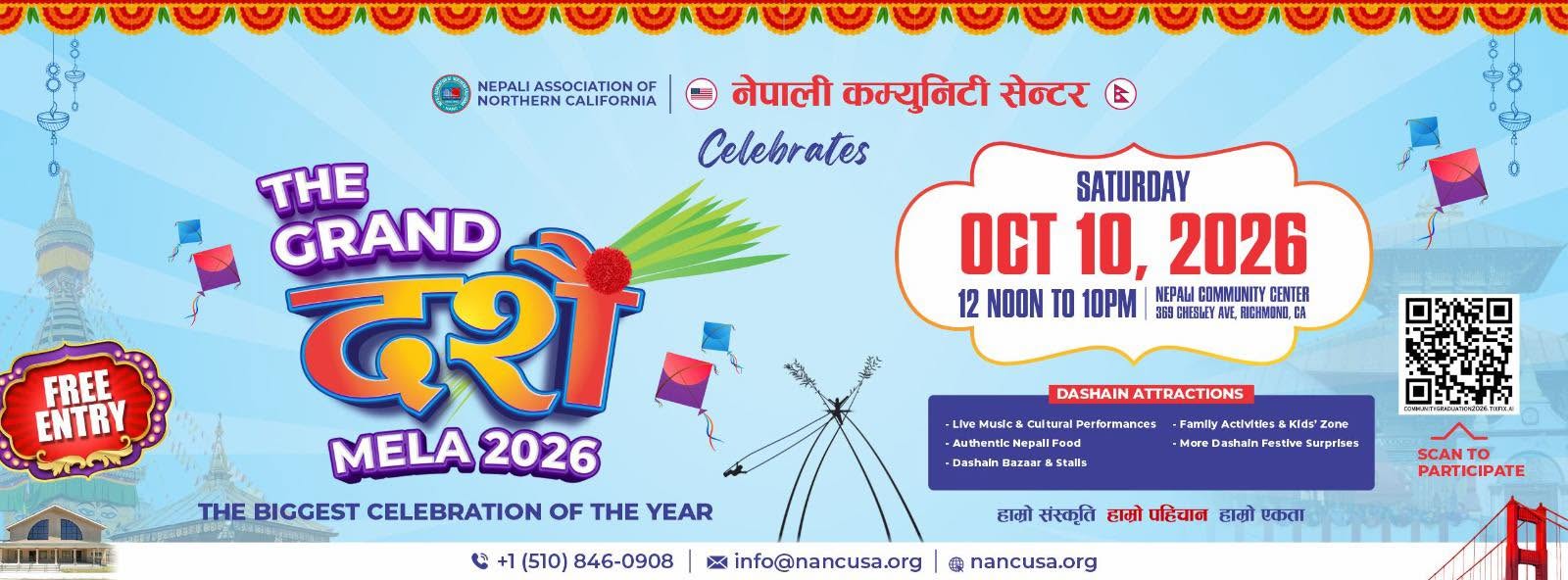 Grand Dashain Mela 2026 FestivalOct 10, 2026 11:00 AM · Bay Area / Northern California · 214 views
 -
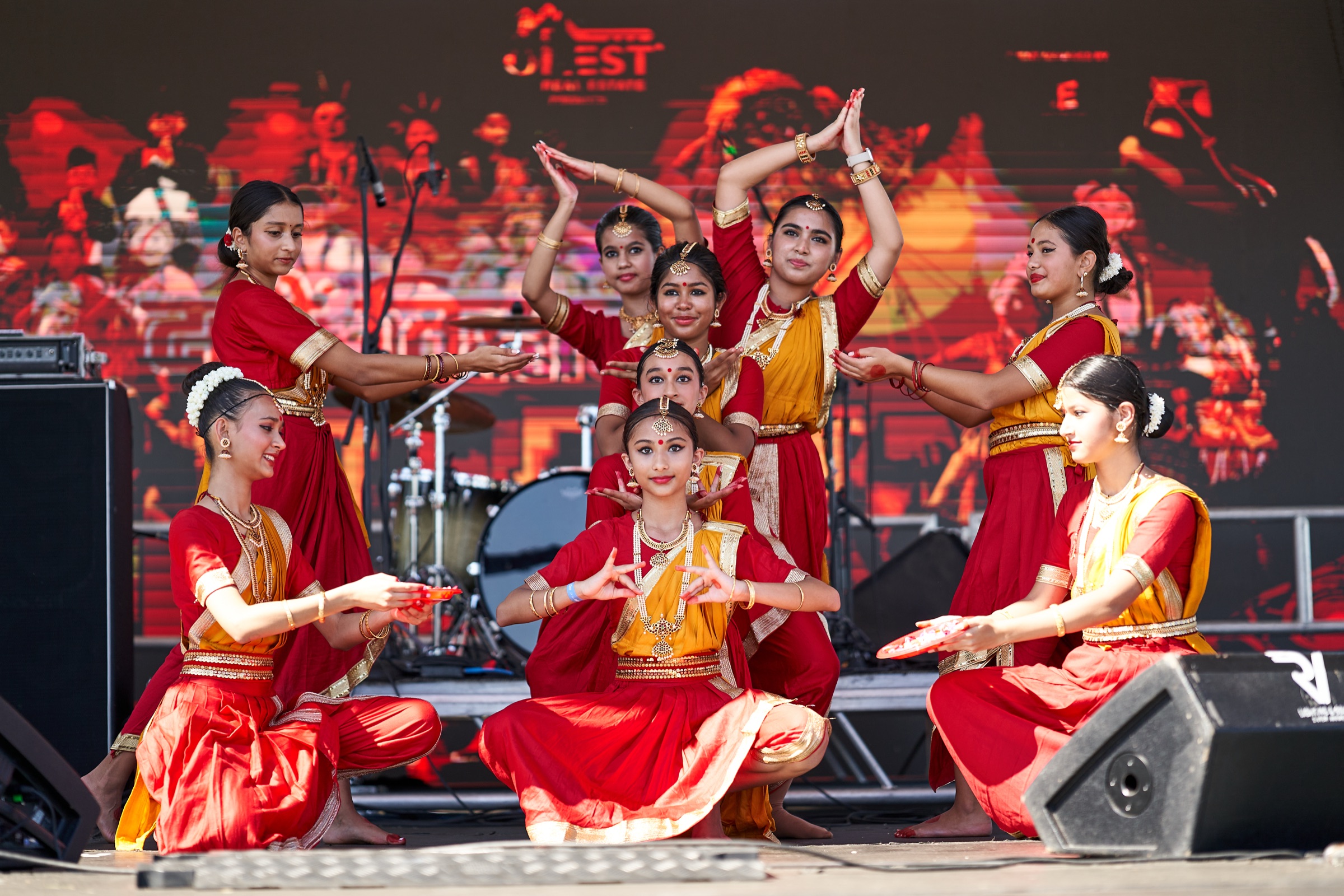 Oct 11, 2026 11:00 AM · DMV / Greater Washington · 227 views · Dashain
 -
 Dashain Festival Fulpati PartyOct 17, 2026 10:00 PM · Greater London · 188 views · Dashain
-
✓Vianet Communications OtherKathmandu · · 285 views
-
Aama Lama RestaurantMalden, MA · · 243 views
-
Ailaa Himalayan Bar & Grill RestaurantStoneham, MA · · 244 views
-
Ailaa Himalayan Bar & Grill RestaurantBedford, TX · · 221 views
-
Annapurna Curry & Sekuwa House RestaurantManchester, NH · · 223 views