Indian media faces flak in quake-hit Nepal, 'insensitivity' complaints
Indian media faces flak in quake-hit Nepal, 'insensitivity' complaints Utpal Parashar, Hindustan Times, Kathmandu | Updated: May 03, 2015 19:47 IST Desperate scenes in Kathmandu as people dig through rubble looking for survivors after huge earthquake hits Nepal. (AFP Photo) Just days after India earned widespread praise for mounting the largest relief mission in earthquake-hit Nepal, the Indian media faced brickbats from the Nepalese on Sunday for its coverage of the disaster and its aftermath. By Sunday afternoon, #GoH#GoHomeIndianMediaomeIndianMedia was the top trending hashtag in Nepal, with more than 56,000 tweets on the topic. People in Nepal took to social media in droves to complain about what they described as the Indian media’s “insensitive” reportage on the April 25 temblor that killed more than 7,000, devastated infrastructure across the country and left tens of thousands displaced. The development coincided with the observance of the World Press Freedom Day. Many contended the Indian media was treating its coverage of the quake and its victims as a public relations exercise on behalf of the government in Delhi. Indian newspapers and TV channels have provided wall-to-wall coverage of the worst earthquake to hit Nepal in more than 80 years and scores of Indian journalists have fanned out across the country in a race to unearth the next big story. But the criticism on social media will not be music to the ears of Indian media personnel now in Nepal. "Some Nepalis, not all, feel Indian media is a bit patronising in their attitude and that is perhaps why such sentiments are being expressed. That is how a section of Nepali media also feels," said Kunda Dixit, a veteran journalist and editor of Nepali Times. There is a feeling among Nepalese that the Indian media is only highlighting the plight of Indians in Nepal and rescue efforts by teams from the Indian military and the National Disaster Response Force (NDRF). Twitterati accused the Indian media of being insensitive to survivors, asking them irrelevant questions such as "How are you feeling?" and not helping those needing immediate medical aid. Many tweets reminded the Indian media that Nepal is a sovereign country and not a “satellite state”. Prasanna KC @KC_Prasanna An indian news reporter to a mother who's learnt her only son has been buried under their house. Q. How do you feel? #GoHomeIndianMedia 2:04 AM - 3 May 2015 554554 Retweets 165 dear @narendramodi Our Dharahara have been fallen not our sovereignty! Sincerely Nepalese #GoHomeIndianMedia गरिमा @iGarima1 Dear @narendramodi See even indians r ashamed of ur media.If u do have some selfrespect left then plz call back ur media Sincerely Nepalese सूचना घिमिरे ツ @artless77 Stop your Media-quake!! We are already in pang by devastating Earthquake and your news are not helping the victims!! #GoHomeIndianMedia 12:52 AM - 3 May 2015 In a blog written for CNN, Sunita Shakya, a non-resident Nepalese, thanked India from the “bottom of my heart” for the help it has provided but asked the media to be more sensitive. “However, me being a Nepali outside from my motherland, when (I) saw your news and news reports, my heart cried and hurt more than those destruction caused by (the) earthquake. Like all the medical personnel are taught and trained for potential disasters in future, as a reporter, I hope there is some kind of training on how to report different events. Your media and media personnel are acting like they are shooting some kind of family serials. If your media person can reach to the places where the relief supplies have not reached, at this time of crisis can’t they take a first-aid kit or some food supplies with them as well?” she wrote. Ajay Bhadra Khanal, a former editor of The Himalayan Times, said: "The Indian media's aggressive presence and the way they are highlighting only their government's role in rescue and relief efforts has affected the perception among Nepalis of the Indian government.” Dixit noted that hordes of journalists who came to Nepal from across the world were highlighting the efforts of their own countries but not many Nepalese have an idea of their coverage since only Indian publications and TV channels are available in the country. "For every negative tweet, there are 10 positive reactions about India's efforts in Nepal. We shouldn't read much into it," he said. Besides rescue teams and tons of equipment, medical aid, food, water and blankets, Indian military helicopters and planes flew in 23 media personnel to Nepal. There have been reports in the Nepali media about Indian helicopters and rescue teams not coordinating with Nepali counterparts and flying to places close to the Chinese border. The Nepal Army has clarified this was a mistake and happened because the Indian pilots were not familiar with the terrain. On Sunday, Indian ambassador Ranjit Rae wrote a piece in Kantipur, Nepal's highest circulated daily, requesting the Nepalese not to doubt New Delhi's intentions in helping its neighbour in distress. "India doesn't want to do politics in Nepal nor has it done anything of that sort. Such negative reactions at this time affects the morale of those who are working and it is better these rumours are not spread," he wrote.
_____ · May 3, 2015 9:57 AM · 1,553 views
This conversation is preserved exactly as it was on the original Sajha.com and can't accept new replies.
Start a New DiscussionYou might be interested in...




-
Room Available for Rent USD 850.00Melrose, MA ·
-
One bed room available for rent USD 1,300.00Germantown, MD ·
-
Malden, MA, United States · Reposted Originally posted
-
Big Room with Parking Next to bus stop USD 1,100.00Everett, MA ·
-
Rooms Available for Rent USD 2,700.00Reston, VA ·
-
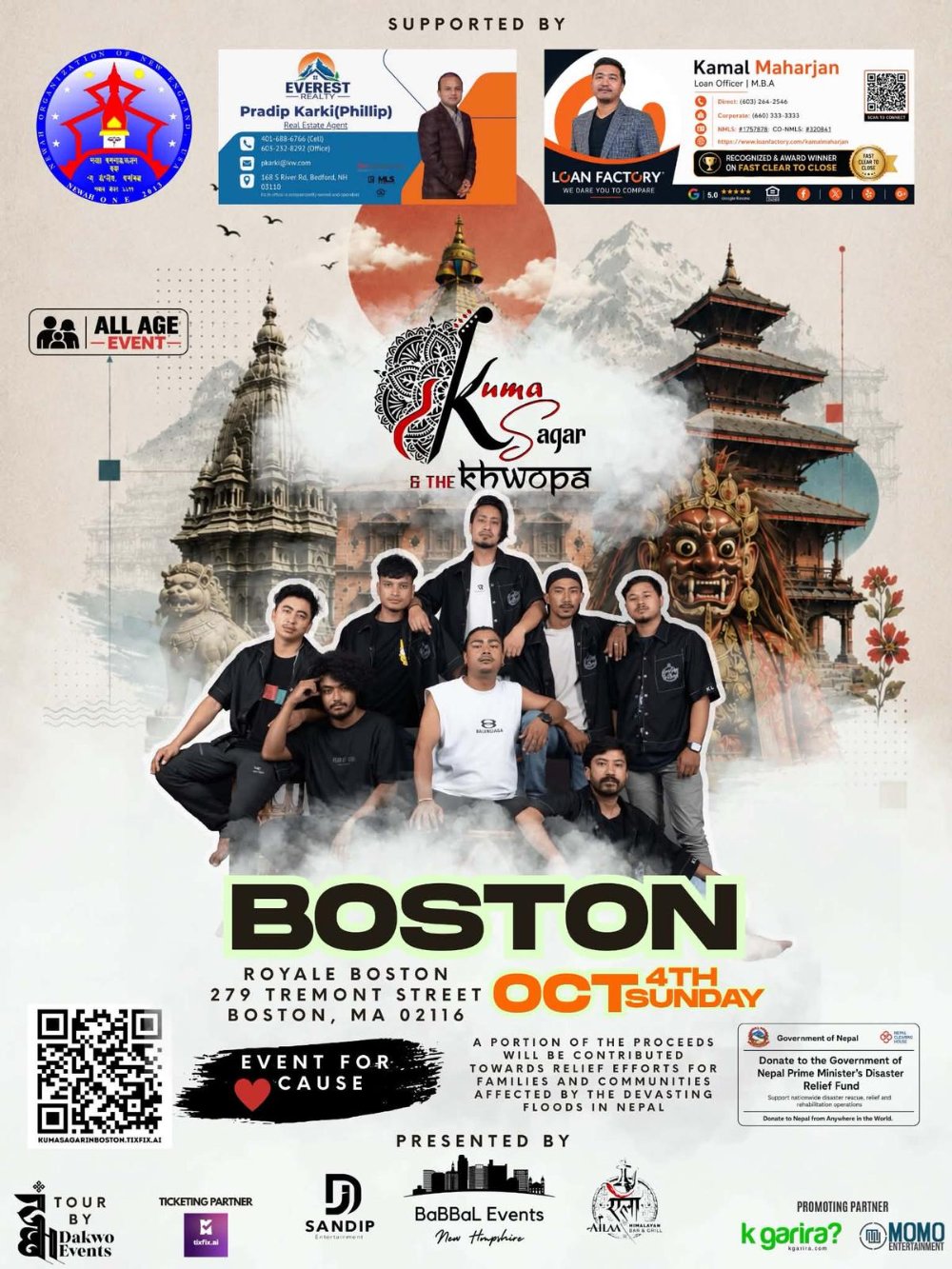 Oct 4, 2026 7:00 PM · Boston / New England · 519 views
 -
 Nepal Festival Perth 2026 FestivalOct 10, 2026 10:00 AM · Perth / Western Australia · 227 views
 -
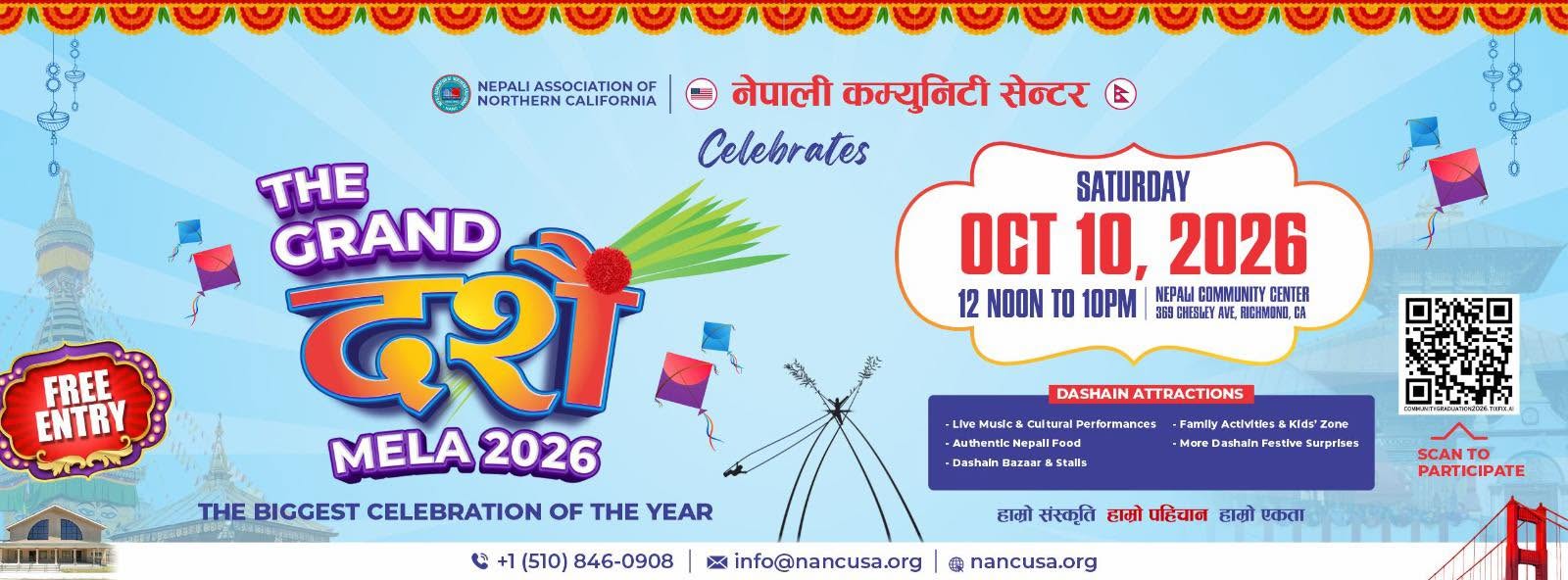 Grand Dashain Mela 2026 FestivalOct 10, 2026 11:00 AM · Bay Area / Northern California · 216 views
 -
 Oct 11, 2026 11:00 AM · DMV / Greater Washington · 229 views · Dashain
 -
 Dashain Festival Fulpati PartyOct 17, 2026 10:00 PM · Greater London · 190 views · Dashain
-
✓Vianet Communications OtherKathmandu · · 287 views
-
Aama Lama RestaurantMalden, MA · · 245 views
-
Ailaa Himalayan Bar & Grill RestaurantStoneham, MA · · 247 views
-
Ailaa Himalayan Bar & Grill RestaurantBedford, TX · · 224 views
-
Annapurna Curry & Sekuwa House RestaurantManchester, NH · · 226 views