Java Development Free Training
Contact me for more details: roshanshm87@gmail.com Java EE Programming: AJAX FundamentalsSCORM package Course Description This course starts with a simple introduction of the AJAX, what it is and what it can do. It will then move on to how to use XHTML with Java, using JavaScript with the Document Object Model (DOM) API and the AJAX API. The course will then cover Cascading Style Sheets and why it is an important part of AJAX and webpage development. In the final chapters, the course will cover communication with the server on a basic level and using JavaScript Object Notation (JSON). Java EE: Servlets, JSP, Security, and JS FacesSCORM package Course Description This course increases the skills of the Java EE developers learning about Servlets and JavaServer Pages (JSP). You will learn about servlet filters, event listeners, custom tags, and JSP tags. You will also take a look at more advanced Java EE programming concepts like security, annotations, and JavaServer Faces. Java EE: Servlets and JSP FundamentalsSCORM package Course Description This course provides the ideal starting point for developers just getting into Java EE programming. This course covers programming topics specific to Java Servlets and JavaServer pages (JSP). In addition to covering the basics, this course will cover more advanced topics including JDBC, JSP Standard Tag Library, Model/View/Controller (MVC), and JavaBeans. Java EE: Web Development Using Spring 3.0SCORM package Course Description The Spring 3.0 framework gives Java developers a strong platform for creating websites and web applications. This course will cover many aspects of web development starting with Direct Web Remoting (DWR). From there the course will cover Spring and Struts which covers Model View Controller. After that the course moves on to WebFlows and testing with Unit Testing and Spring. The later sections of the course will cover the important subject of Security. They will cover Enterprise and Web security and then how to customize web security, securing Java code and user versus role based security. Java SE: XML, Security, and JUnitSCORM package Course Description This course explores Java SE topics that provide the finishing touches when building professional Java applications using Eclipse. Students will learn about Parsing XML documents using both SAX and DOM methodologies. Students will understand how to take advantage of distributed objects, add security, use the Java Native Interface (JNI) and utilize Test-Driven Design through JUnit. This course concludes with a detailed look at Java features introduced with recent versions of Java like Java SE 5 and Java SE 6. Java SE: Inheritance, Interfaces, and CollectionsSCORM package Course Description This course introduces the Java programming language and how to develop Java applications using Eclipse. Students learn the syntax of the Java programming language, object-oriented programming using Java, exception handling, generics, collections, and file input/output (I/O). With a focus on many of the common programming Java commands like Arrays, and Inheritance. Then you will move on how to deal with Exceptions. Then off to Polymorphism, Collections, generics and other useful Java classes Language English Course Features 8 hrs 49 min Inline Quizzes Pre-Assessment Mobile: Android Mobile: iPhone/iPad Video Audio Narration Job Aids and Reference Materials Target Audience Science & Technology Professionals System Requirements IE 6.0+, Microsoft Silverlight 3, Acrobat Reader 9.0+, Windows Media Player 10+and supported video drivers and codecs Java SE: JDBC, Reflections, and ThreadingSCORM package Course Description Java was introduced many years ago not for the internet but has since expanded to be an industry standard for web pages. This course goes beyond the introduction to the advanced Java programming language and how to develop Java applications using Eclipse. You will learn the syntax of the Java for JavaBeans, JDBC, Internationalization, Reflection, Threads and Networking. Java SE: Objects, Classes, and ConstructorsSCORM package ourse Description Java was introduced many years ago not for the internet but has since expanded to be an industry standard for web pages. This course introduces the Java programming language and how to develop Java applications using Eclipse. You will learn the syntax of the Java programming language, object-oriented programming using Java, classes, Constructors, class methods and control structures. Java EE Programming: Ajax with Spring 3.0SCORM package Course Description The Spring 3.0 framework combined with Ajax gives you as a web developer a strong platform to develop web applications with. This course covers some of the ways that Ajax and Spring 3.0 can be used to create web applications. The course starts with an Ajax overview and then gets in XHR mechanics. The course will then cover JavaScript mechanics then Cascading Style Sheets (CSS) with in Spring. You will then learn about the HTML Document Object Model (DOM) and how to work with nodes. Then the course covers XML DOM Mechanics on how to handle XML responses. You will then learn about applied JavaScript and its approach to XML HTTP request calls. You will then see an Ajax application built and end the course with JSON objects. Java EE Programming: HibernateSCORM package Course Description As data models get more complex it becomes harder for programmers to create applications to access that data. Enter Java Hibernate. Hibernate is a middle-tier developer framework for Object to Relational Mapping (ORM). A Hibernate tier is used as a go-between from the data tier to the client tier thus creating an automatic translation between the Object Oriented model and the required relational data model. This course will start you on the journey to understand Hibernate. First you will cover the basics of what Hibernate is and what is does. Then move to ORM and persistence in class mappings and many other items. Then you will see Value types, components and Collections and finish up with Entity Associations Java EE Programming: Spring 3.0SCORM package Course Description The Spring framework is an application framework that provides a lightweight container that supports the creation of simple-to-complex components in a non-invasive fashion. The Spring flexibility and transparency is congruent and supportive of incremental development and testing. The framework structure supports the layering of functionality such as persistence, transactions, view-oriented frameworks, and enterprise systems and capabilities. Spring makes JavaEE development easier. Spring simplifies common tasks and encourages good design based on programming to interfaces. Spring makes your application easier to configure and reduces the need for many JEE design patterns. Spring puts the OO design back into your JEE application. This Spring course will take an in-depth tour of the basic Spring framework, initially examining concepts such as Inversion of Control and Dependency Injection, and then working with the container and basic components. The improved Spring 3.0 configuration management options centered on the Spring Expression Language (SPEL) is covered. The course then moves into the areas of persistence and transactions, looking at various options including both JDBC and Hibernate. You will then look at options for handling the view portion of MVC web architecture Java EE: Integrating Hibernate & Spring 3.0SCORM package Course Description As data models get more complex it becomes harder for programmers to create applications to access that data. Enter Java Hibernate. Hibernate is a middle-tier developer framework for Object to Relational Mapping (ORM). A Hibernate tier is used as a go-between from the data tier to the client tier thus creating an automatic translation between the Object Oriented model and the required relational data model. This course will take the next step by showing you the higher functions of Hibernate like Mapping Inheritance, Annotations and Composite keys. You will then move on to Transactions and Querying, then Spring Hibernate Integration foundation and end with using Hibernate in Spring. Java EE: JAX-WS Web Service ControlsSCORM package Course Description In dealing with Java Web services you will need to deal with controls. This course covers many of the important controls that need be configured and managed in order to create a stable and secure JAX-WS environment. This course starts with Java API XML Web Service bindings and then moves on to Simple Object Access Protocols (SOAP). The course will then explore JBoss version 4 support of Web Services and Web Service Security. From there WS-Trust and WS-Federation is covered with claims and tokens. Then Web Services Interoperability (WS-I) is shown and its standards. The course then moves to error handling in dealing with business rule violations and other subjects. The final subjects cover Web Service addressing, reliable messaging and handlers. Java EE Programming: JAX-WS Web ServicesSCORM package Course Description Java is a very important part of the Internet usage or services, thus being able to deal with web services in Java is also very important. This course will cover many of the necessary aspects of dealing with the Java API for XML (JAX) Web Services. The course will start with basic introductions to the Eclipse programming platform and Web Services and then move on to Basic XML Schemas and Schema Content Management. From there, Java API for XML Binding (JAXB) will be covered and JAX-WS will be introduced. Once the basic foundation is covered the course moves into the start of web services with Declarative service configuration, Web Service Description Language (WSDL) and Configuration Management, as well as introducing JAX-WS 2.0. Java EE: EJB 3.0 and JPASCORM package Course Description This course is introduces you to the Enterprise JavaBeans (EJB 3.0) technology and is ideal for those who have never programmed using EJB. You will learn about the core concepts regarding EJB including why they are important, differences between stateless and stateful sessions, the Java Persistence API, and the JPA Entity Lifecycle using Eclipse. You will also look at the Java Persistence Query Language (JPA QL) and entity relationships. Java EE: AJAX with DWR, DOJO, and SecuritySCORM package Course Description This course is a continuation of the Java EE Programming: AJAX Fundamentals course and will get into greater detail about AJAX and cover Direct Web Remoting (DWR). It will cover what a time saver the DOJO framework can be and how to use DOJO toolkit. The course will then move onto Advanced JavaScript. Security is an important part of any development and this course covers AJAX security and security guidelines. The final chapters of this course will cover JavaScript Performance Tuning and Mashups for Java servers Java EE: EJB 3.0 in the EnterpriseSCORM package Course Description This course takes you beyond the fundamentals of Enterprise Java Bean (EJB 3.0) programming using Eclipse. In this course, you will learn about building message-driven Beans, EJB Security, utilizing Web Services technologies like JAX-WS, and managing distributed transactions. You will also be exposed to Java Interceptors, EJB Timer service, Hibernate JPA caching, EJB design patterns, and deployment. Last edited: 17-Sep-14 01:26 PM Last edited: 17-Sep-14 01:45 PM
SQLORACLE · Sep 17, 2014 1:10 PM · 419 views
You're getting better courses.
SQLORACLE · Sep 19, 2014 3:52 AM
This conversation is preserved exactly as it was on the original Sajha.com and can't accept new replies.
Start a New DiscussionYou might be interested in...




-
Room Available for Rent USD 850.00Melrose, MA ·
-
One bed room available for rent USD 1,300.00Germantown, MD ·
-
Malden, MA, United States · Reposted Originally posted
-
Big Room with Parking Next to bus stop USD 1,100.00Everett, MA ·
-
Rooms Available for Rent USD 2,700.00Reston, VA ·
-
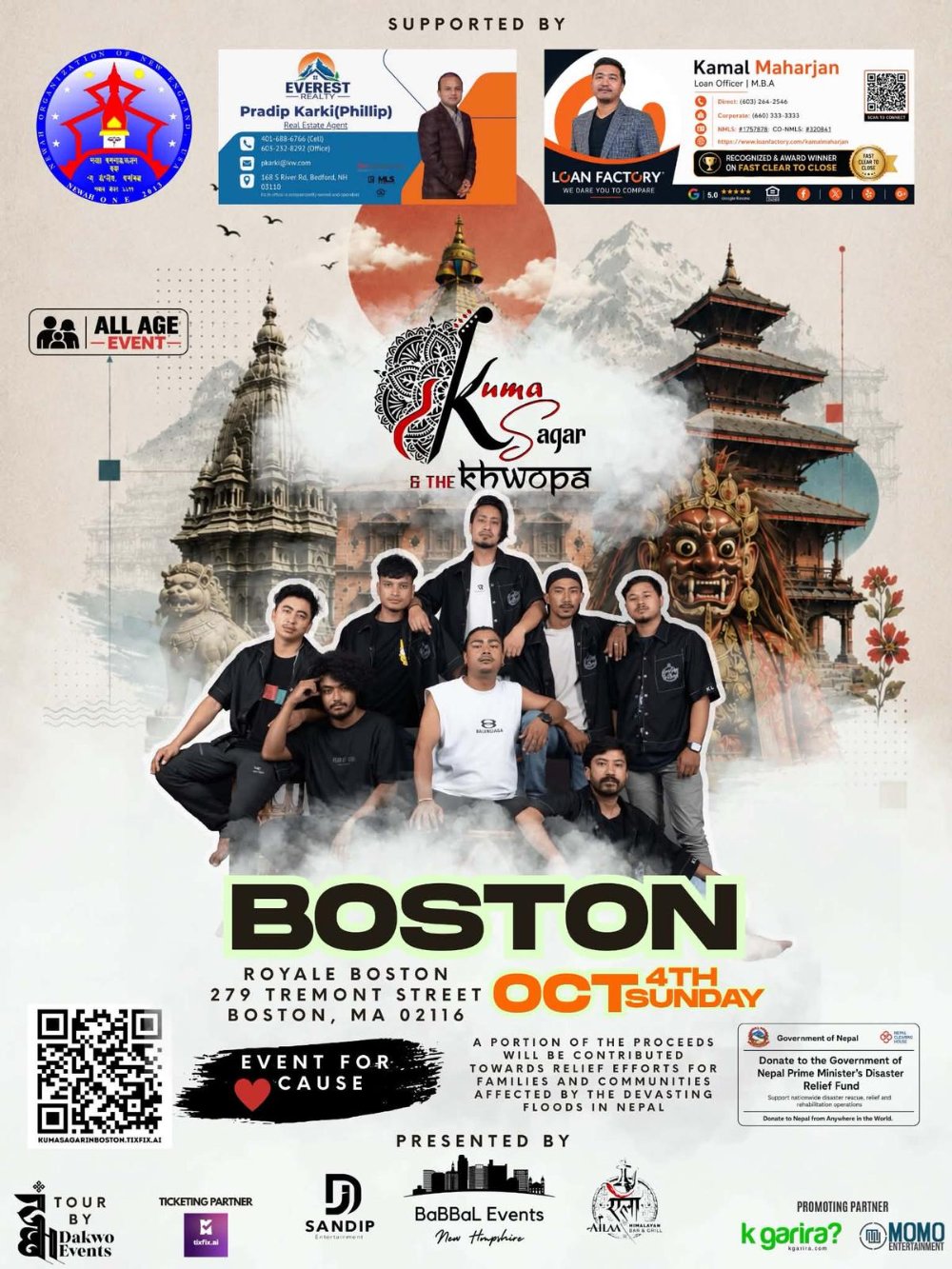 Oct 4, 2026 7:00 PM · Boston / New England · 515 views
 -
 Nepal Festival Perth 2026 FestivalOct 10, 2026 10:00 AM · Perth / Western Australia · 225 views
 -
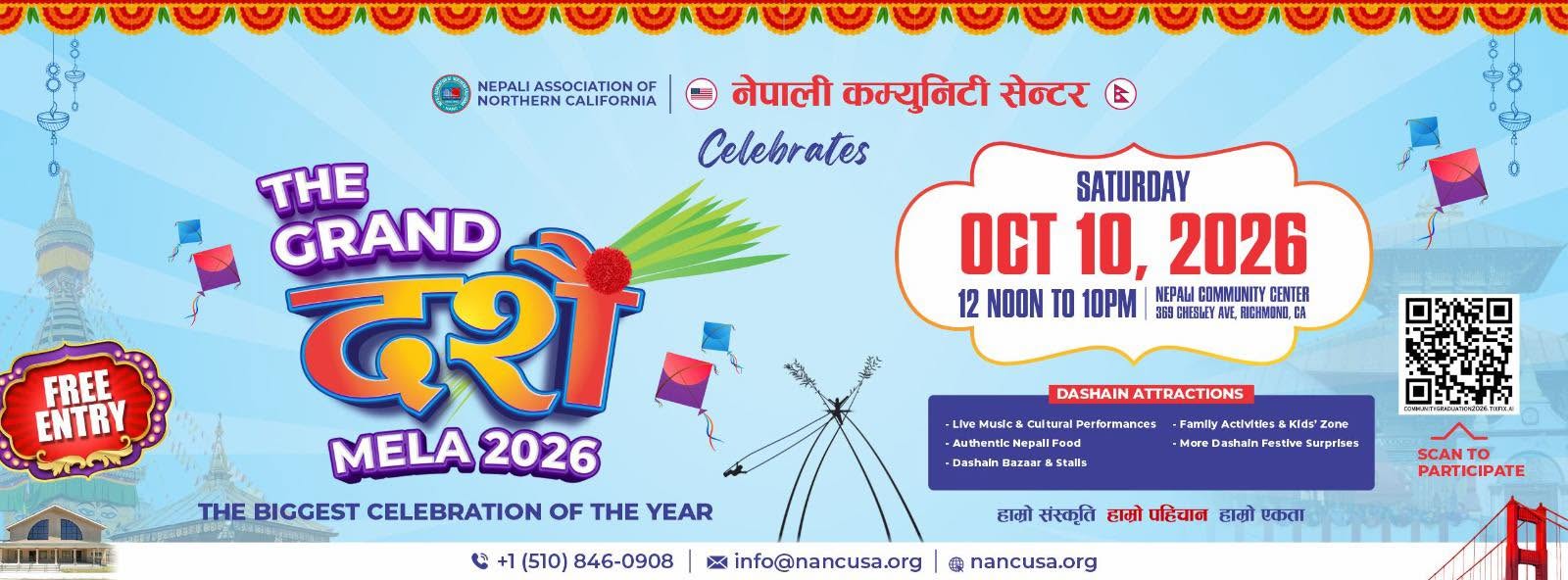 Grand Dashain Mela 2026 FestivalOct 10, 2026 11:00 AM · Bay Area / Northern California · 214 views
 -
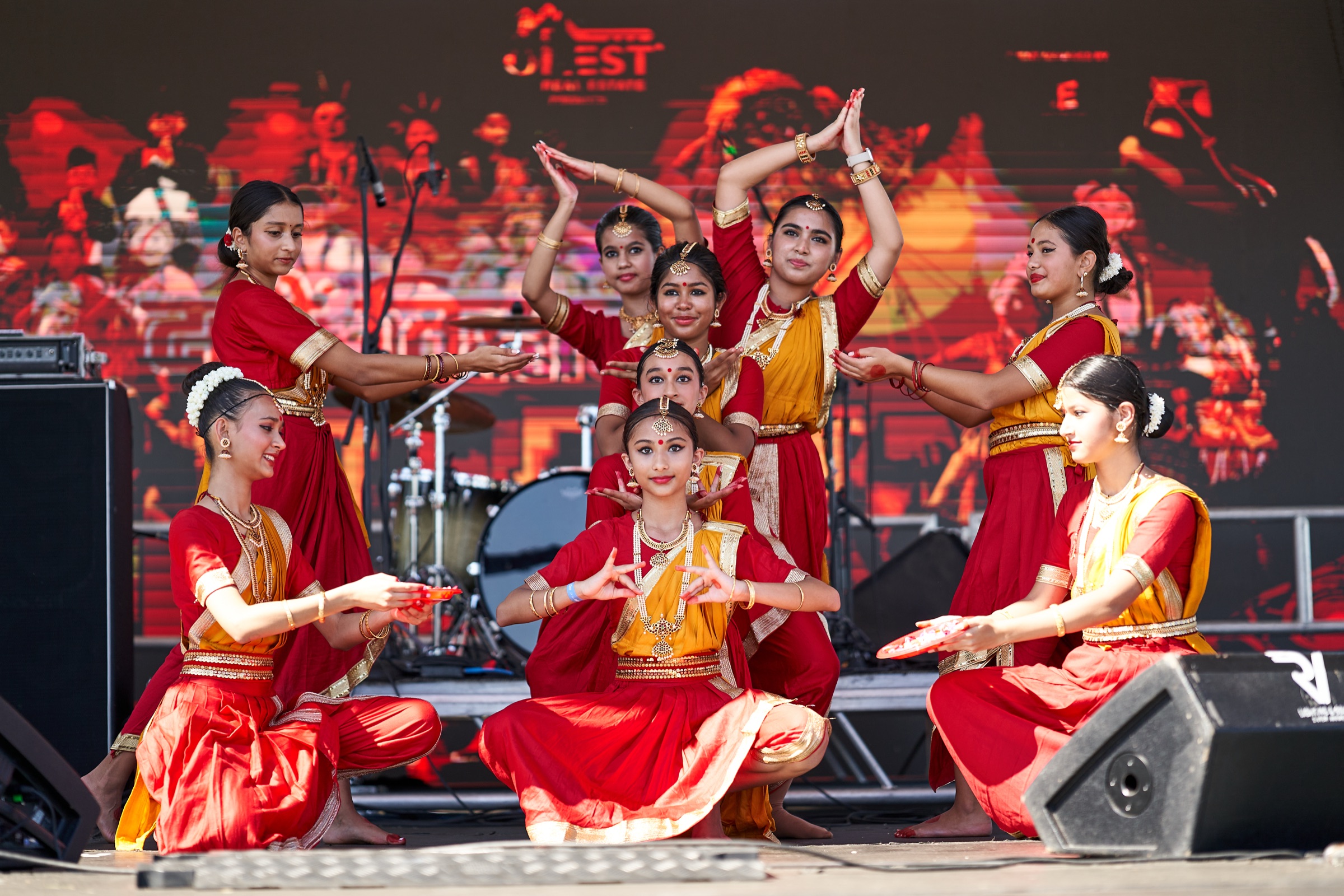 Oct 11, 2026 11:00 AM · DMV / Greater Washington · 227 views · Dashain
 -
 Dashain Festival Fulpati PartyOct 17, 2026 10:00 PM · Greater London · 188 views · Dashain
-
✓Vianet Communications OtherKathmandu · · 285 views
-
Aama Lama RestaurantMalden, MA · · 243 views
-
Ailaa Himalayan Bar & Grill RestaurantStoneham, MA · · 244 views
-
Ailaa Himalayan Bar & Grill RestaurantBedford, TX · · 221 views
-
Annapurna Curry & Sekuwa House RestaurantManchester, NH · · 223 views