How many Nepalese have been Deported from US, Any data out there?
We all have heard about this store clerk pankaj joshi who stole million dollars, http://www.huffingtonpost.com/... also about this dude (Deepak Bista) who chatted with underage girl and got caught. Are there any other instances where Nepali people implicated and deported( or flee back to nepal before getting caught)? I have heard long time ago that this guy from nepal was in hit and run accident and flee the scene and flew back to nepal before getting the blood test. Have anyone of you heard any such stories. Please share if any.
satrianic · Aug 15, 2014 1:07 PM · 32,782 views
US citizen who is not naturalized born can be deported! Although rare, it is possible for a naturalized U.S. citizen to have his or her citizenship stripped through a process called "denaturalization." Former citizens who are denaturalized are subject to removal (deportation) from the United States. Natural-born U.S. citizens may not have their citizenship revoked against their will, but may choose to renounce their citizenship on their own. This article covers the grounds for having one's citizenship revoked, the basics of the denaturalization process, and defenses to denaturalization. Grounds for Denaturalization Falsification or Concealment of Relevant Facts: You must be absolutely truthful when filling out paperwork and answering interview questions related to the naturalization application process. Even if the U.S. Citizenship and Immigration Service (USCIS) fails to recognize any lies or ommissions at first, the agency may file a denaturalization action against you after citizenship has been granted. Examples include failure to disclose criminal activities or lying about one's real name or identity. Refusal to Testify Before Congress: You may not refuse to testify before a U.S. congressional committee whose job it is to investigate your alleged involvement in subversive acts, such as those intended to harm U.S. officials or overthrow the U.S. government. This requirement to testify in order to maintain citizenship status expires after 10 years. Membership in Subversive Groups: Your citizenship may be revoked if the U.S. government can prove that you joined a subversive organization within five years of becoming a naturalized citizen. Membership in such organizations is considered a violation of the oath of U.S. allegiance. Examples include the Nazi Party and Al Qaeda. Dishonorable Military Discharge: Since you may become a naturalized U.S. citizen by virtue of serving in the U.S. military, your citizenship may be revoked if you are dishonorably discharged before serving five years. Reasons for dishonorable discharge, which must follow a general court-martial, include desertion and sexual assault. The Denaturalization Process Denaturalization, in which a naturalized citizen is stripped of his or her citizenship, is a process that occurs in federal court (typically in the district court where the defendant last resided) and follows the standard rules of federal civil court cases. As such, it is not an immigration case even though it affects immigration status. Naturalized citizens found to be in violation of the terms of citizenship must leave the country. Children granted citizenship based on their parent's status may also lose their citizenship after that parent has been denaturalized. As with any other civil case, the denaturalization process begins with a formal complaint against the defendant, who may respond to the complaint and defend himself or herself at trial (or hire an immigration attorney). The defendant has 60 days to file an answer to the complaint, where he or she may claim the action is based on wrong information or that the statute of limitations has expired, for example. The U.S. government has a high bar for proving a defendant meets the criteria for denaturalization (a heavier burden of proof than most civil cases, but not as great a burden as criminal cases), according to the USCIS Adjudicator's Field Manual: - See more at: http://immigration.findlaw.com...
richard10000 · Aug 18, 2014 4:11 AM
This conversation is preserved exactly as it was on the original Sajha.com and can't accept new replies.
Start a New DiscussionYou might be interested in...
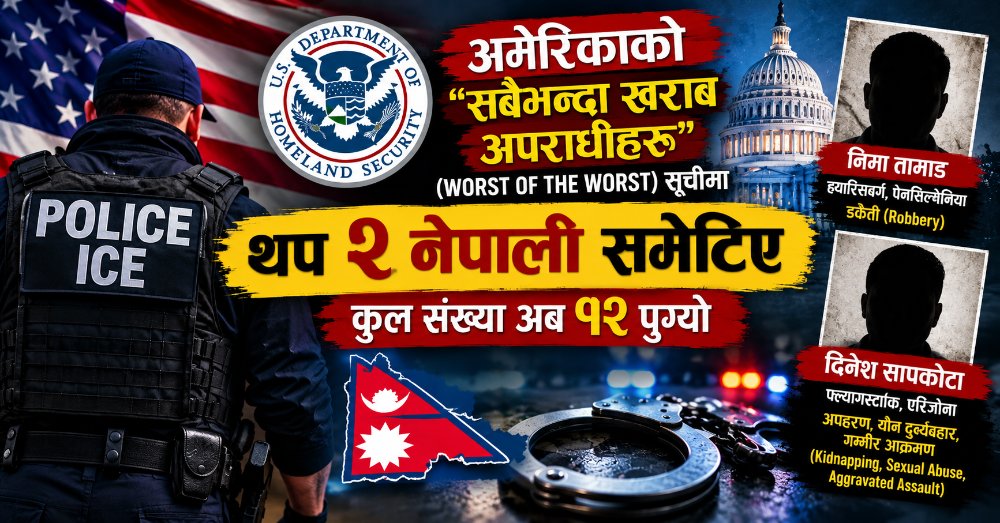



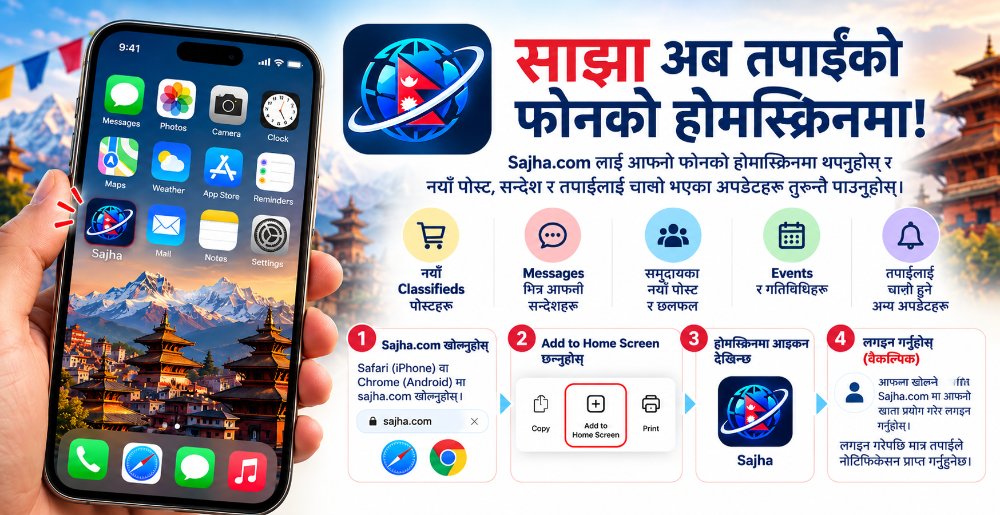

-
Room Available for Rent USD 850.00Melrose, MA ·
-
One bed room available for rent USD 1,300.00Germantown, MD ·
-
Malden, MA, United States · Reposted Originally posted
-
Big Room with Parking Next to bus stop USD 1,100.00Everett, MA ·
-
Rooms Available for Rent USD 2,700.00Reston, VA ·
-
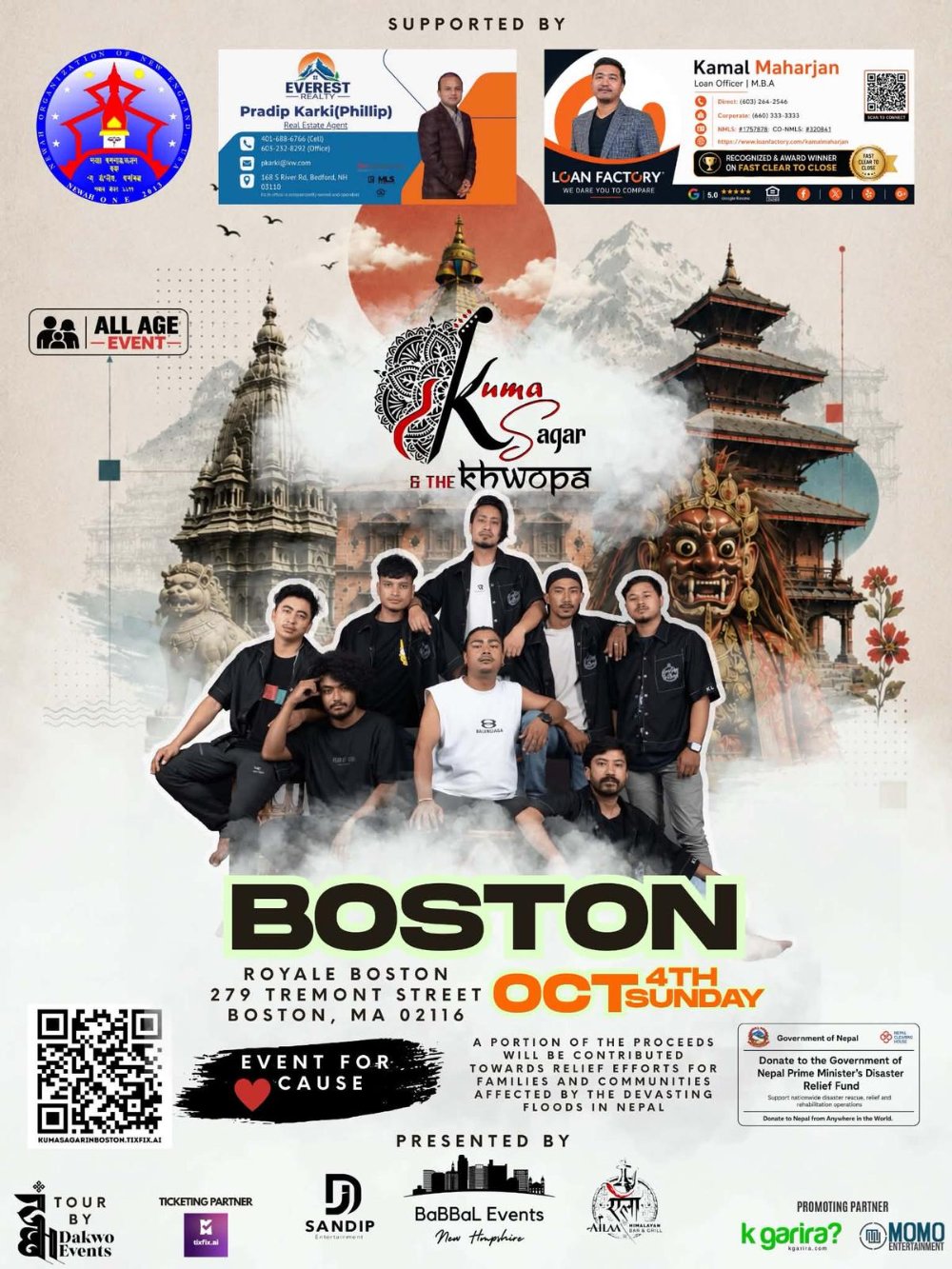 Oct 4, 2026 7:00 PM · Boston / New England · 507 views
 -
 Nepal Festival Perth 2026 FestivalOct 10, 2026 10:00 AM · Perth / Western Australia · 220 views
 -
 Grand Dashain Mela 2026 FestivalOct 10, 2026 11:00 AM · Bay Area / Northern California · 209 views
 -
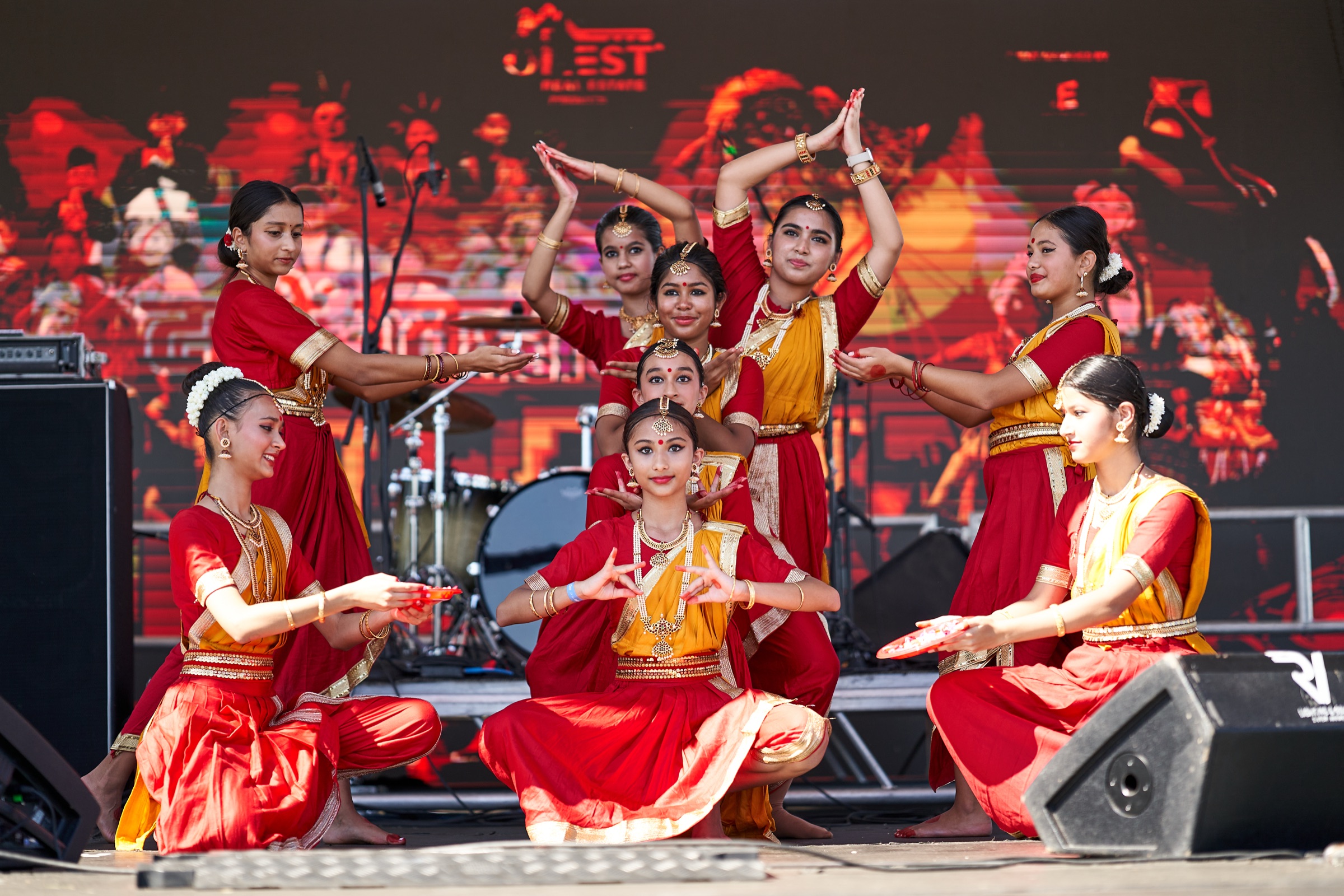 Oct 11, 2026 11:00 AM · DMV / Greater Washington · 221 views · Dashain
 -
 Dashain Festival Fulpati PartyOct 17, 2026 10:00 PM · Greater London · 183 views · Dashain
-
✓Vianet Communications OtherKathmandu · · 280 views
-
Aama Lama RestaurantMalden, MA · · 238 views
-
Ailaa Himalayan Bar & Grill RestaurantStoneham, MA · · 239 views
-
Ailaa Himalayan Bar & Grill RestaurantBedford, TX · · 214 views
-
Annapurna Curry & Sekuwa House RestaurantManchester, NH · · 218 views