Documentary "NHUCHHE SIR"
Please pass this message to your friends and family who are interested. It is in Pittsburg area. Thanks! http://www.pghdocsalon.blogspo... NHUCHHE SIR presented by Samrat Kharel Nhuchhe Sir depicts the life and work of noted folk music artist of Nepal, Nhuchhe Bahadur Dangol. The film follows one man's quest to keep alive the heritage of his ancestors through music in a rapidly changing society. Nhuchhe is a son of the Kathmandu Valley, keeper of the primordial sound, and this is the way he knows. Nepalese filmmaker Samrat Kharel spent several years in the United States, including Pittsburgh. He will join us from Kathmandu via Skype after the film. Running Time: 75 min. Friday, March 8 6:30p Posted 14 hours ago by Pittsburgh Documentary Salon INTERVIEW WITH THE FILMMAKER http://www.ekantipur.com/the-k... The stillness of the moving picture Conversations : 3 APR 06 - Extremely introverted and camera-shy himself, Samrat Kharel has created a comfort zone in filmmaking, using the camera as an entry point into the world. Recently, upon being invited by the Nepal Music Centre, he followed a charming, effervescent music teacher from the Jyapu community who is revolutionising what traditional music means to his community and the world. Nhuchhe Sir is a documentary about the musician, his community, and the manifestation of a compelling journey made by the filmmaker. Ayushma Regmi talked to Kharel about his experiences with filmmaking. What did you feel while making Nhuchhe Sir? The music really doesn’t die. It evolves. So how will it evolve for the newer generation inhabiting a landscape totally different from their forefathers? The Valley is a nightmare; fields have given way to concrete boulders, the primordial sound of the Valley (Jyapu music) is getting stifled by machines, synthesisers and computers. We are witnessing a shift from the organic to the inorganic. So the question that came up, time and again while making Nhuchhe Sir, was how will younger musicians/artists use old mythology to meet their emotional and psychological needs? As the land shrinks, the harvest song will wither away but something else is bound to sprout up. What form will it take? Where does your work come from? I think all good work comes from the belly. The important thing in art is to be able to spontaneously capture something. The perceiving part isn’t a conscious effort, not forced but pure; nothing could be worse than trying to be poetic. But to be effortless, it has to come from somewhere other than the head. Even with writing, where there is flow, there is this roughness to the writing. Someone like Emily Dickinson wasn’t writing thinking it was going to be great. She must have had a heightened consciousness—like Devkota and his poetry. There’s a certain flow, rhythm, and pacing that applies to film as it applies to writing. If I had it my way, I’d shoot on 16 mm film. It’d be like listening to an old recording. When you play with film, it has that texture, that hue—it’s not flat like hi-definition where you can see everything. That’s vulgar. Everything is so polished and refined. That is good when I’m watching a soccer game, not when I’m watching a film. How far would you say your father, the eminent filmmaker Yadav Kharel, has influenced you? I could never view my father’s work with objectivity. Even his songs—the early recordings from the 60s—I discovered much later while living in the US, when the distance was there. The father son relationship always comes first so it’s hard to tell. Inspired me? Yes. He made Prem Pinda (a period piece) at a time when the probability of monetary profit was slim. An Indian director told him it was a reckless enterprise but he went ahead and made it just the same. One thing I’ve learnt from him is that vision is not enough, you need courage and I die several times every day. Is the process of making documentaries different from that of making feature narratives? With feature films, there’s a controlled environment—the light has to be right, you can’t have external noise—keeping in mind so many variables. With documentaries, it’s more free-flowing, but then again, there are certain situations where you’re deliberately creating something. I’m not a purist in that sense. If I want to make a point I would probably set something up. But I’d like to make features the way a documentary is made, where you’re not controlling so many of these variables, where you’re open to chance. What kind of reception are you getting about your new documentary? Documentary here is still akin to news reporting and advocacy for noble causes. It’s not quite considered an art form. I’m not claiming my film to be a work of art but there wasn’t a single review on the film. What’s the point? Don’t tell me it was informational. What will you do with the information? Did it move you? Did you feel the music? If you did, then it worked. If you didn’t, then I must’ve been out of sync. Whatever the case, I’d like to know. After the screening, Ashesh Malla (theatre director) gave me a bear hug. He didn’t say anything. I think the ending got to him. That’s my reward. What goes on inside you when you’re holding a camera? I’ve worked with some very experienced cameramen in the US and there’s a certain stillness in their work. What the camera captures is a good reflection of the filmmaker’s state of mind. If you’re very restless, in a rush, or intense, that is bound to reflect in the shots. So sometimes, I can’t hold it there. I’m not seeing from the belly, I’m seeing from the eyes. But if there’s that stillness, maybe in it you’ll be able to perceive the subtlest of movements. Obviously I’m not at that level, nowhere close. Where do you find yourself now, what is going to happen next? I have no idea. I want to run around with my camera, following cats, snails, reflections in the water. Something that’s distorted. Say you’re riding in a bus and you see a reflection of this old man but it’s on the glass, you’re not really looking at him. Something like that pulls me. POSTED ON: 2012-04-07 09:55
sam123453 · Mar 2, 2013 11:21 AM · 13,596 views
This conversation is preserved exactly as it was on the original Sajha.com and can't accept new replies.
Start a New DiscussionYou might be interested in...




-
Room Available for Rent USD 850.00Melrose, MA ·
-
One bed room available for rent USD 1,300.00Germantown, MD ·
-
Malden, MA, United States · Reposted Originally posted
-
Big Room with Parking Next to bus stop USD 1,100.00Everett, MA ·
-
Rooms Available for Rent USD 2,700.00Reston, VA ·
-
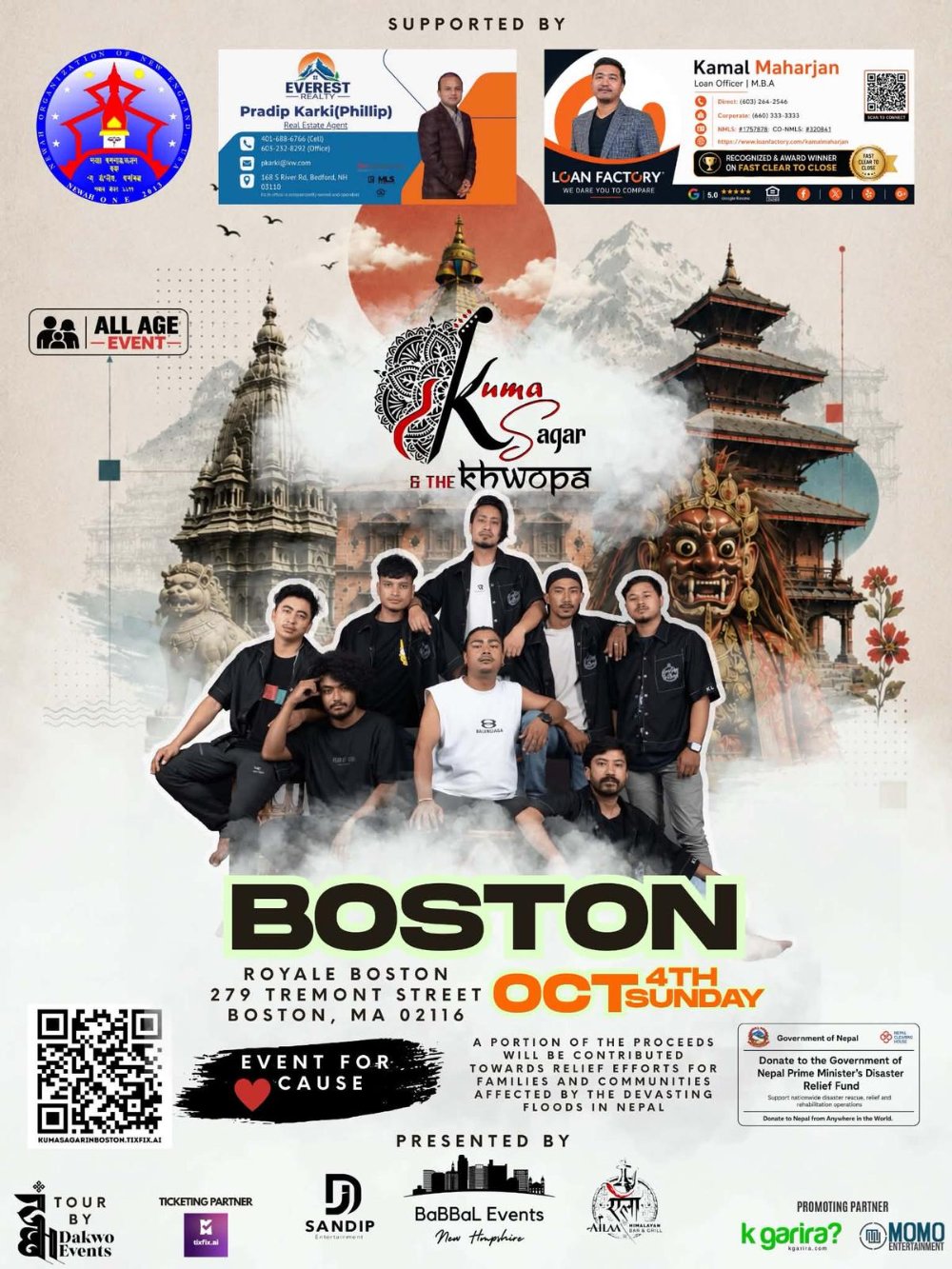 Oct 4, 2026 7:00 PM · Boston / New England · 516 views
 -
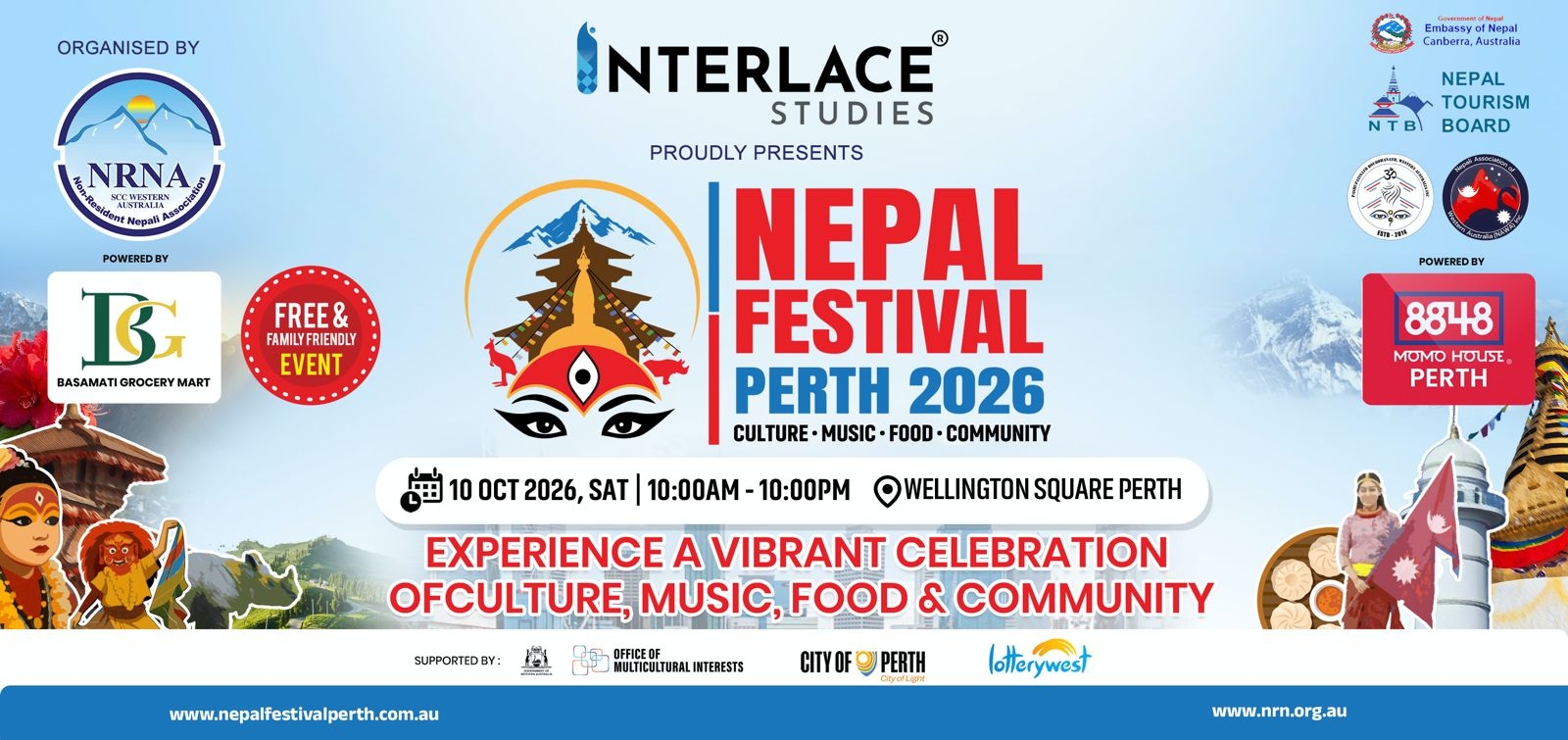 Nepal Festival Perth 2026 FestivalOct 10, 2026 10:00 AM · Perth / Western Australia · 226 views
 -
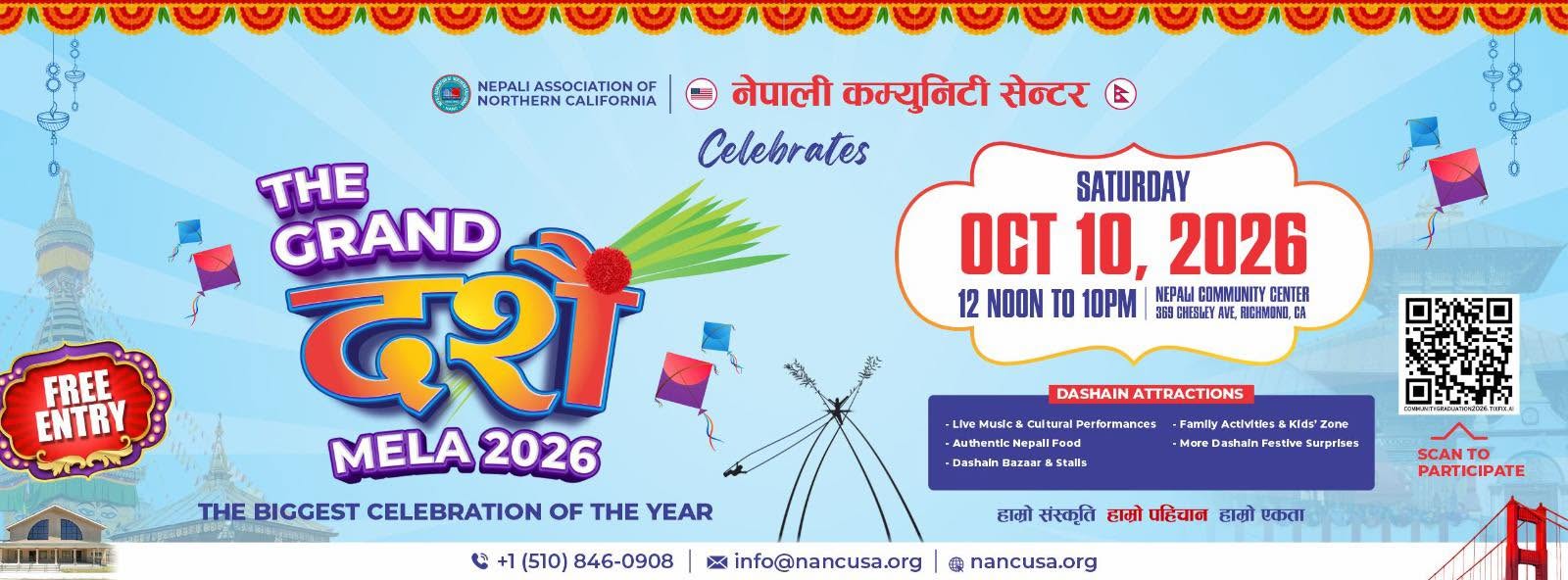 Grand Dashain Mela 2026 FestivalOct 10, 2026 11:00 AM · Bay Area / Northern California · 215 views
 -
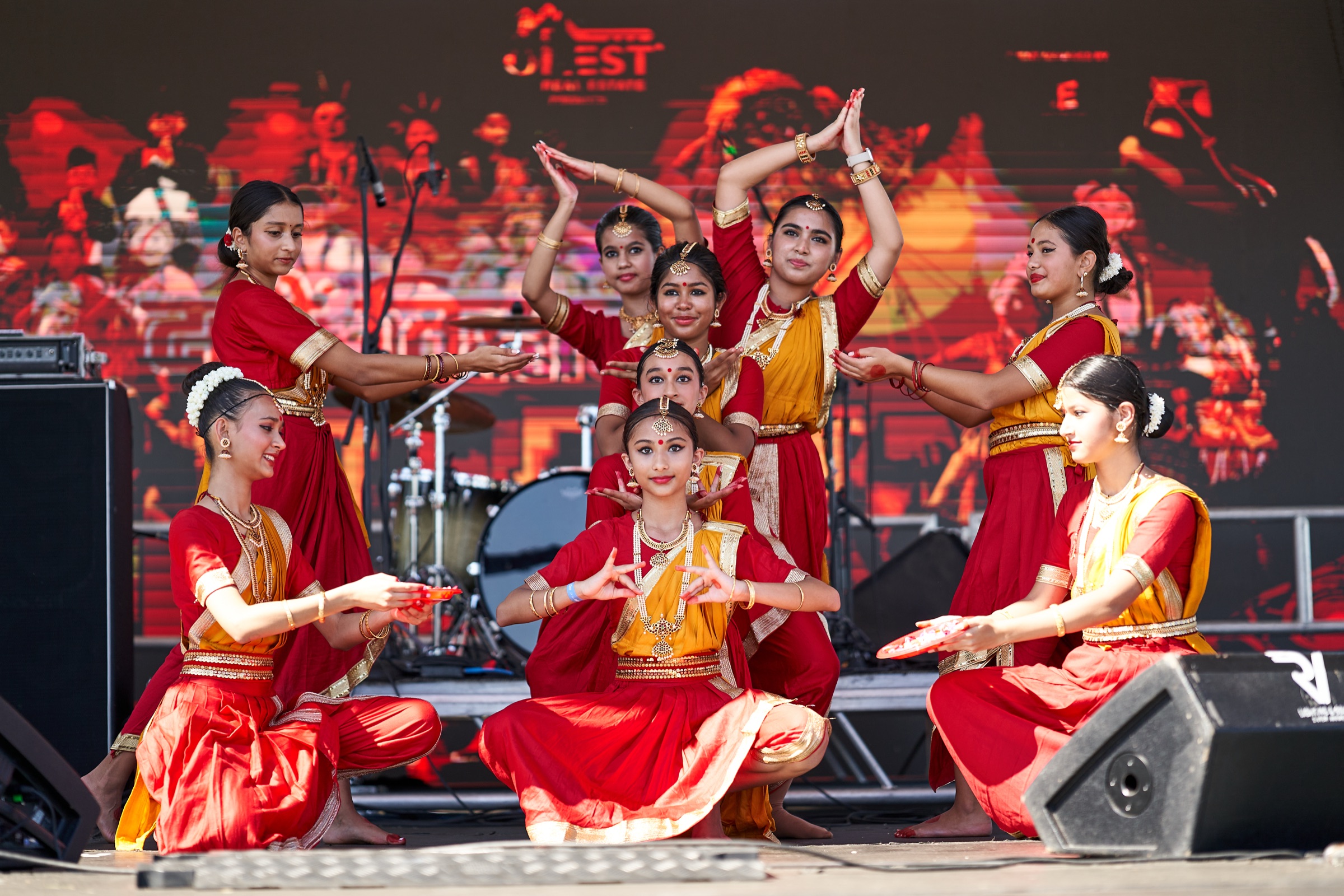 Oct 11, 2026 11:00 AM · DMV / Greater Washington · 228 views · Dashain
 -
 Dashain Festival Fulpati PartyOct 17, 2026 10:00 PM · Greater London · 189 views · Dashain
-
✓Vianet Communications OtherKathmandu · · 286 views
-
Aama Lama RestaurantMalden, MA · · 244 views
-
Ailaa Himalayan Bar & Grill RestaurantStoneham, MA · · 247 views
-
Ailaa Himalayan Bar & Grill RestaurantBedford, TX · · 222 views
-
Annapurna Curry & Sekuwa House RestaurantManchester, NH · · 225 views