An Analysis: Why has Kathmandu changed so much?
The mood in Kathmandu has changed so much from what I remember as a child. Of course I do realize that we all have a tendency to look back on our childhood with more romanticism that there actually was. But nevertheless, I do feel that in many ways things were different. I feel that families, relatives and friend's were a lot more closer togethor. People felt a kinship. Now, Kathmandu feels like Delhi or another big city. It feels so much more "dog eat dog." I don't know, maybe it was always "dog eat dog" even when we were growing up. Back in the 80's, perhaps because the opportunities to grow and be successful were far and few between, people more relied on relatives and friends for a sense of security and safety. Now, because so many banks have been privatised, businesses flourishing, educational institutions open, perhaps more people feel that they can make it on their own without having to rely so much on others. The mood now seems more on competition and showing off our successes to our closest relatives and friends rather than cooperation and being there for others in times of hardship. I was having a coversation with some friends and they were making the same observation. They were saying that outside in the villages the mood is still this close where being family means something. Remember, that in Nepal members of the joint family were seen as 'aafno.' Now, people even in the nuclear family seem estranged. I think the political situation also has a lot to do with this. Back when I was growing up in Nepal in the 80's, everyone had a respect/fear relationship with the Monarchy. No one could completely identify the true nature of where the Royal's power ended. They seemed to have a hand in everything. Before people relied on connections with Royalty, either directly or indirectly through knowing someone in the Panchayat system. I grew up hearing about relatives and families who spoke against the Royalty being harassed by the CID. In many ways, this fear/respect relationship with the Monarchy brought the rest of us 'common Nepalese' togethor. We had a common deity/enemy to simultaneously respect and hate. I feel that a lot of people during the Panchayat era were torn between trying to position themselves in such a way as to curry the favors of the powers that be better...while simultaneously hating the Monarchy for being a road block to freedom. Now that the Shah Monarchy and the Panchayat system has been dismantled, the bastions of power are more decentralized, in flux, and chaotic. Today, many business have privatised and politics (atleast in name) is in the hands of the people who are not royalty. Of course in the same way that once the British left India, another monarchy of the Nehru/Indira Gandhi dynasty began, I wonder what kind of a new Royalty that Nepal will be under now that the Shah Royalty has been abolished. The Koiralas? The Maoists? Think about it, in Russia in many ways, once the Czar was removed, the communists established themselves with the power of the Russian Monarchy. And they managed to do it in the name of the people. So in many ways I feel that the Nepali people have become more competitors in trying to define the power vacuum that the Shah Monarchy had once defined. Though in name we say so, sometimes I wonder if the revolutions we fought in years past was really so that we the people could get a democracy. Sometimes when I read the news and observe what is going on in Kathmandu, it doesn't seem so. When I look at the business world, mood in families, and in politics, it almost seems that we each are fighting with other Nepalese so we can establish ourself as the new monarchy. I wonder if it is that mood of competition that now permeates Kathmandu. I wonder if it is that that pits brother against brother, cousin against cousin and friend against friend. Perhaps it is this mood that is preventing us from working togethor to achieve the goals that we strive as a nation and a people despite us, in name, calling ourselves a democracy. Last edited: 09-Jan-11 10:55 AM
You might be interested in...


-
 Store Clerk FeaturedAllston, MA ·
-
 Looking for Hair Stylist FeaturedArlington, MA ·
-
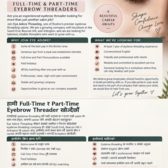 Boston, MA ·
-
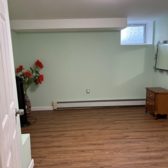
 Everett, MA ·
-
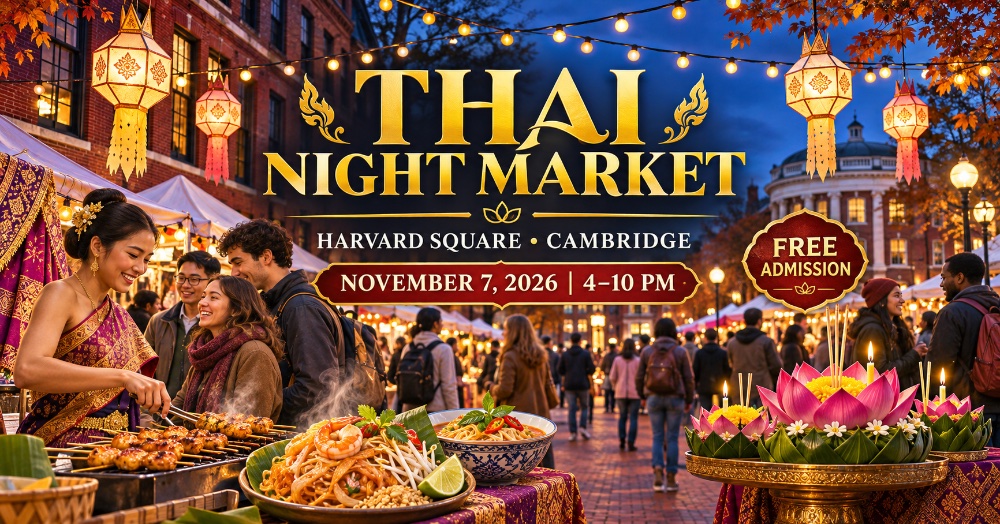 Nov 14, 2026 4:00 PM · 379 views
-
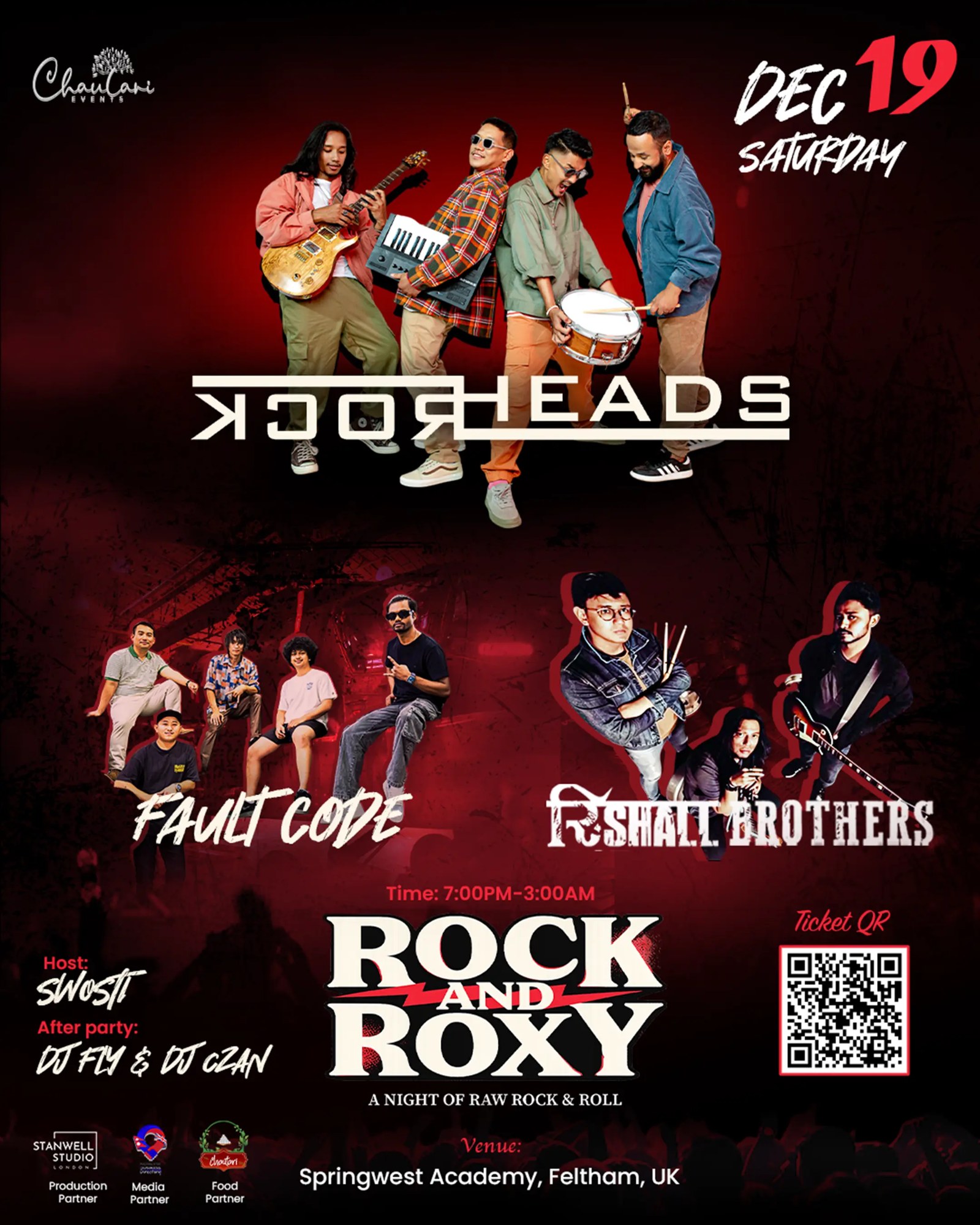 Dec 19, 2026 7:00 PM · Greater London · 648 views
-
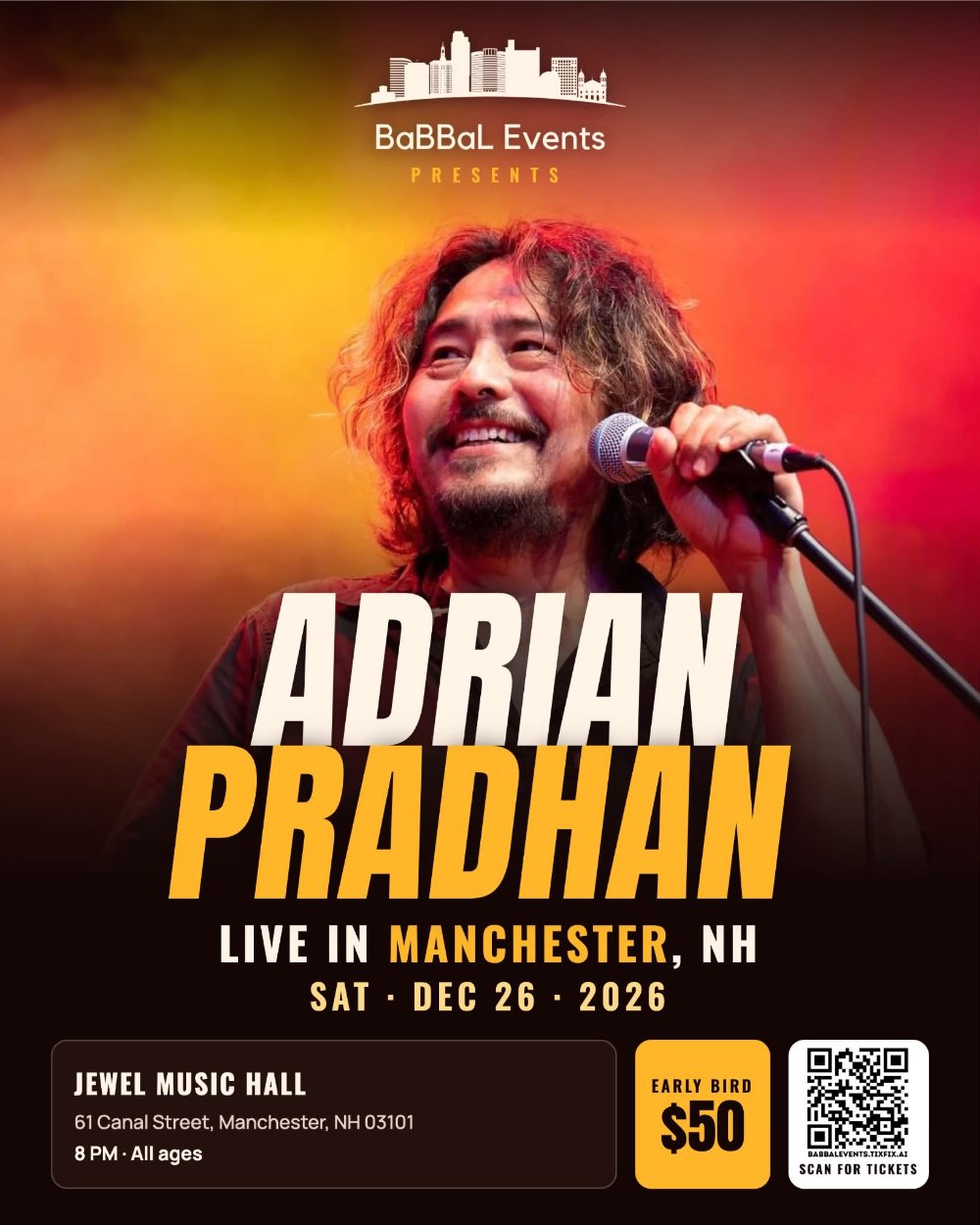 🔥🎸 Adrian Pradhan LIVE in Manchester 🤘 Live EventDec 26, 2026 8:00 PM · 307 views
-
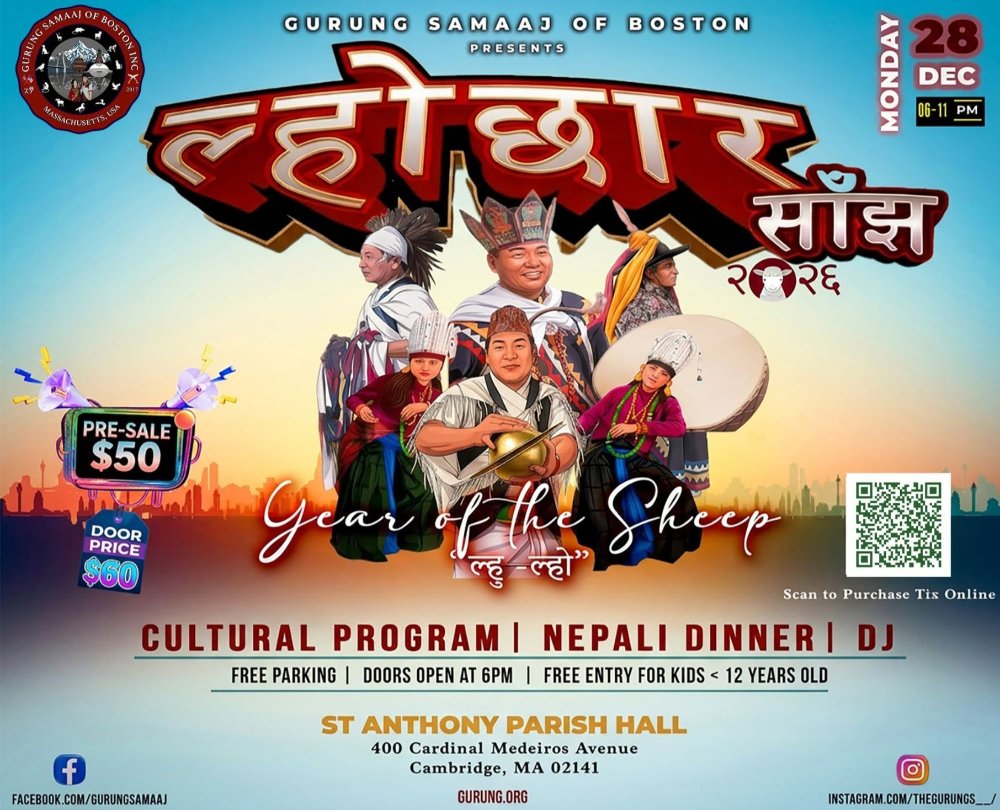 Lhocchar Saanjh by Gurung Samaaj Boston Cultural EventDec 28, 2026 6:00 PM · 268 views
-
✓Everest Solar Solar ServicesWoburn, MA · · 541 views
-
 ✓Vianet Communications
Other
Kathmandu · · 883 views
-
Sagarmatha Kitchen RestaurantSan Francisco, CA · · 270 views
-
Sewa Nepalese and Indian Cuisine RestaurantSan Francisco, CA · · 261 views
-
Sherpa House RestaurantSan Francisco, CA · · 263 views